

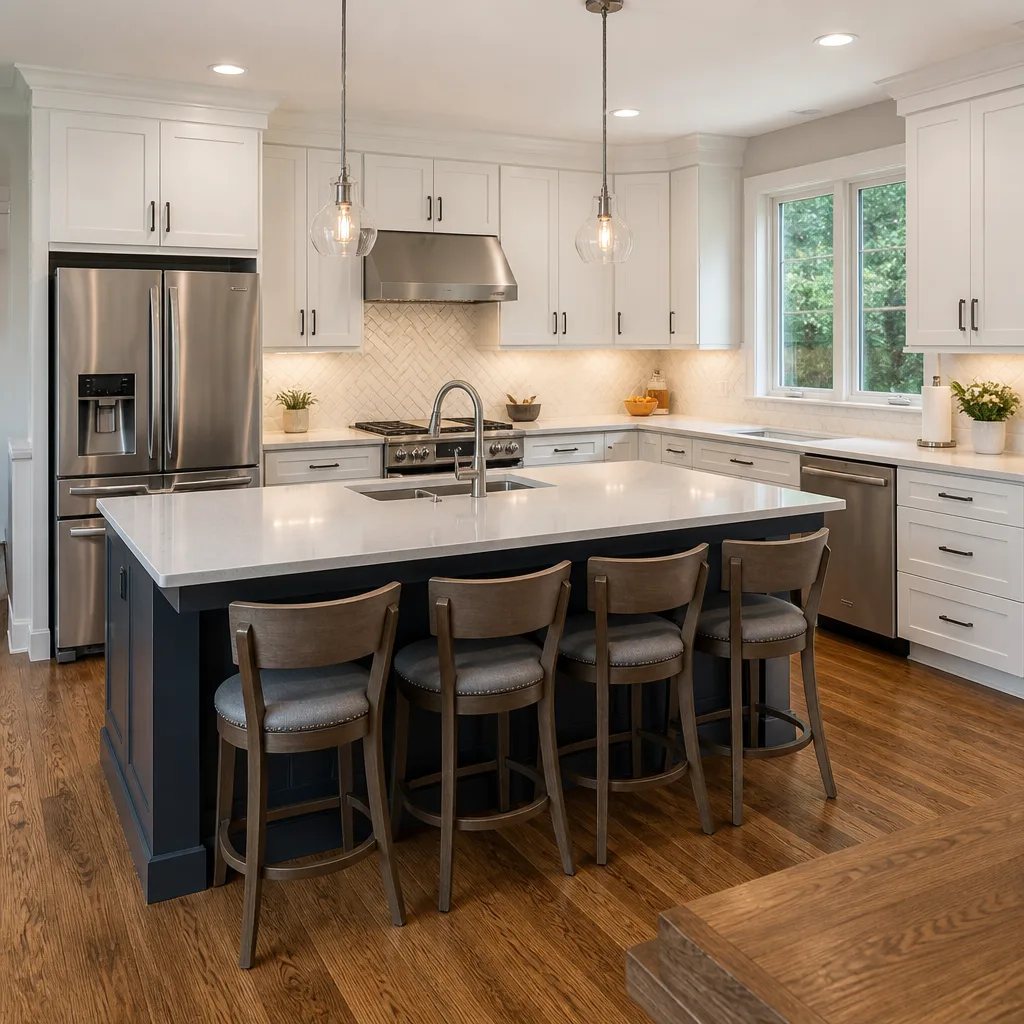
 Kitchen remodeling
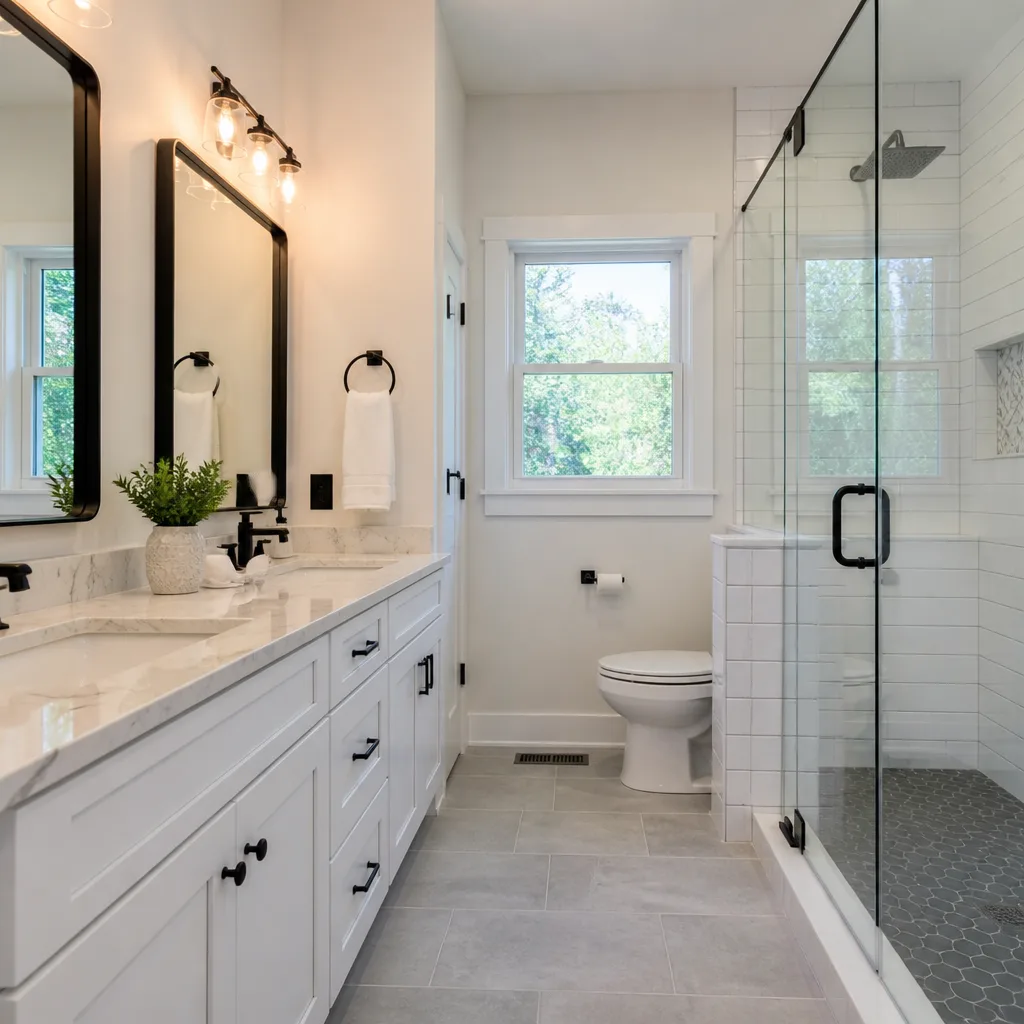 Bathroom remodeling
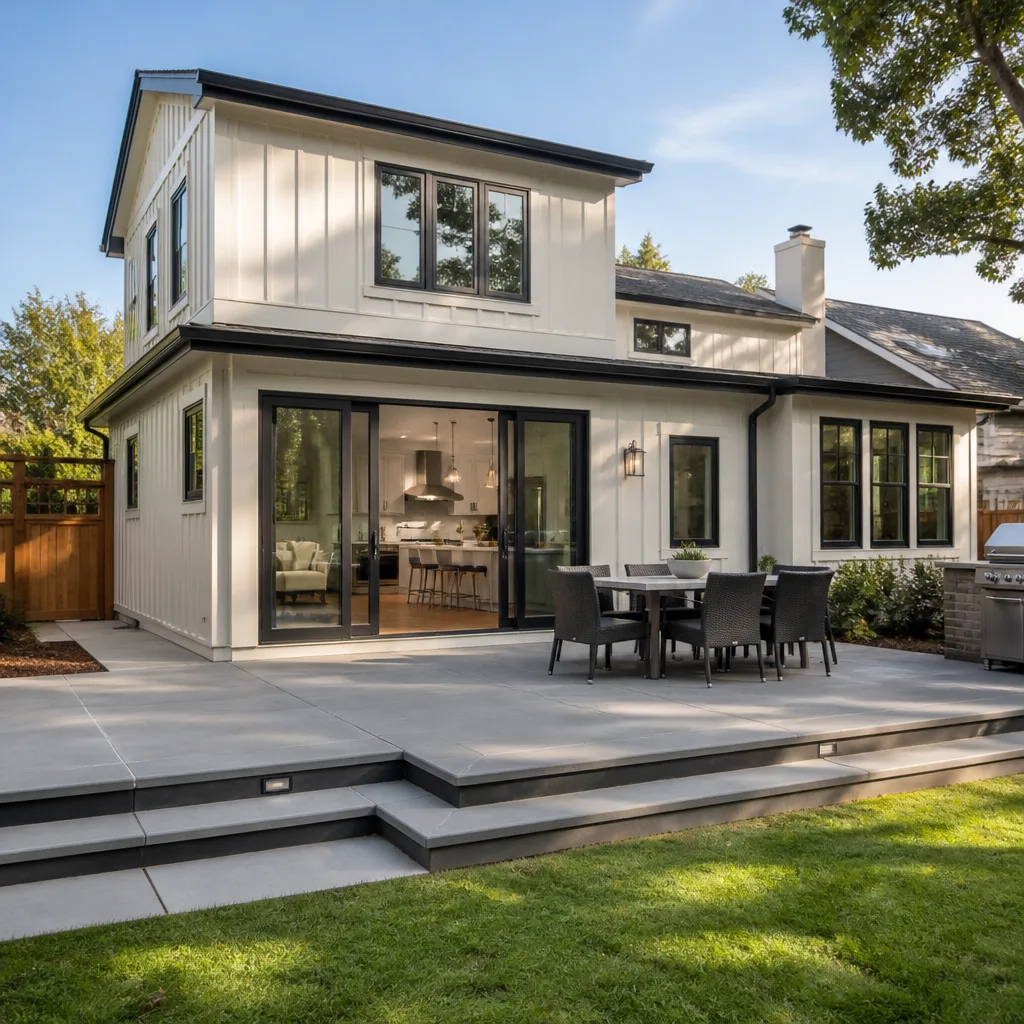 Home additions & ADU
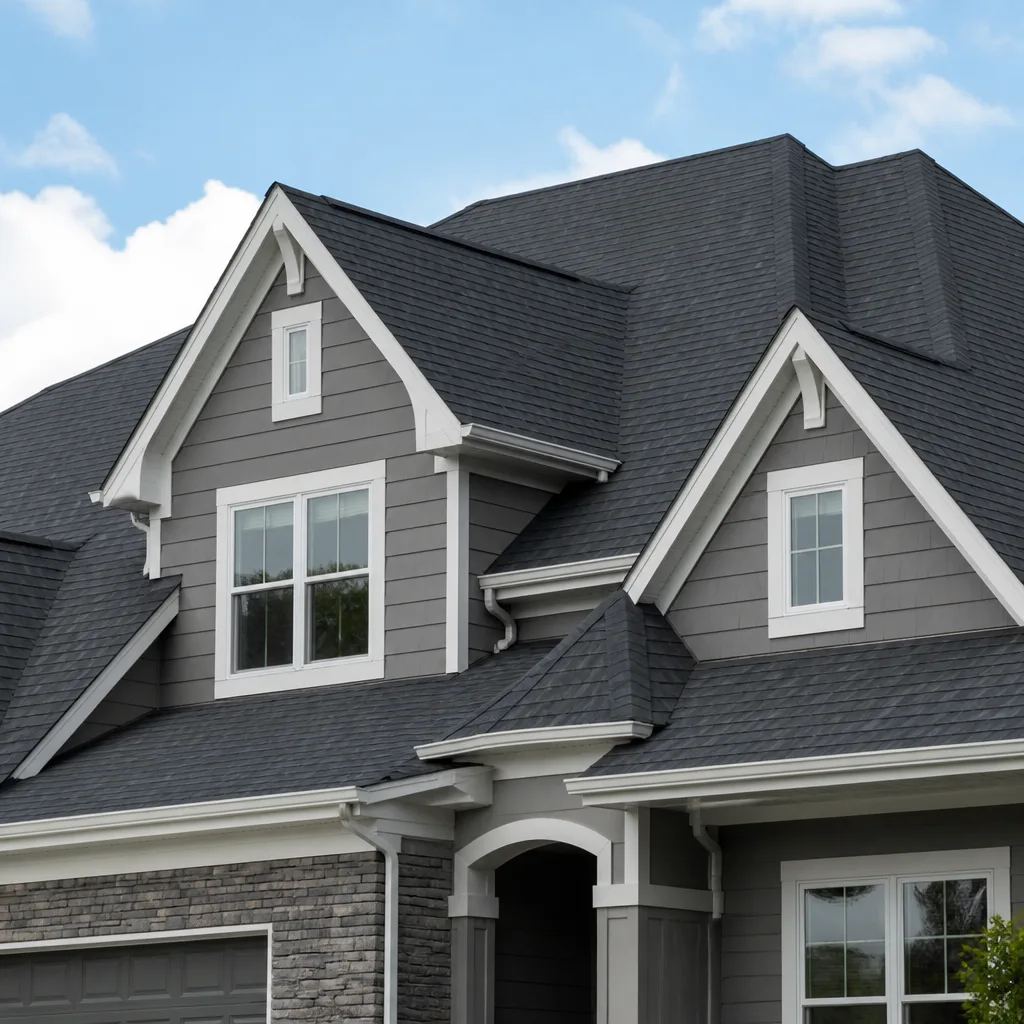 Roofing
 Windows & doors
 Driveway & pavers
 Fence
Free written scope consultation - allowances, timeline, and change-order rules on paper before a single trade is scheduled
Cambria Construction in San Francisco, CA | Iron Beam Contractors
We install and service Cambria quartz countertops throughout San Francisco, and most of our work lands in pre-1950 row houses and Victorians where the framing underneath the slab has moved, settled, or been retrofit-braced in ways that newer construction never sees. That’s the part generic Cambria installers miss. Independent contractor, not manufacturer-affiliated. Call (833) 756-5936 for a free estimate on any Cambria countertop, island, or vanity job.
Why San Francisco Residents Choose Us for Cambria Service
Cambria quartz shows up in San Francisco kitchens and baths all the time, but the slab is only as good as the substrate under it. When a raised-foundation floor flexes between piers, or a soft-story retrofit stiffens the ground floor while the upper framing still moves, the countertop pays for it. We see this constantly across the Inner Mission, Noe Valley, Bernal Heights, and the Outer Sunset. Nolan Driscoll built Iron Beam Contractors on a simple rule: tell the homeowner what’s in the wall before you open it, not after. That means we template Cambria tops against a laser plane, not the old cabinet line, and we fix the framing before the slab gets cut. See our full Cambria sales & service page for what that process looks like.
We’re a San Francisco General Contractor, so a Cambria countertop here isn’t a standalone island job for us. When the kitchen remodel requires shoring, joist sistering, or seismic bracing at the same wall where the slab goes, we handle it under one contract and one point of contact. That matters in a city where nearly every remodel uncovers something behind the drywall.
Styles & brands we work with
Common Cambria Construction Problems We Solve in San Francisco
- Seam separation at the cooktop or sink cutout. Raised-foundation row houses in the Inner Mission and Bernal Heights flex between piers with seasonal moisture changes. The slab stays rigid while the cabinet run underneath shifts, and the seam at the cutout eventually opens. We re-level the cabinets, sister the joists where needed, and re-set the slab so the seam closes clean. If the seam is failing, the substrate is the problem, not the quartz.
- Hairline cracking radiating from the sink cutout after a soft-story retrofit. This one is distinctly San Francisco. The city mandates retrofits on pre-1978 soft-story buildings, and once the ground floor gets stiffened, the upper-floor framing above a second-story kitchen can still move independently. The differential movement stresses the slab at its weakest point, the sink cutout. We template after the retrofit settles, not before, and we spec the cutout geometry for that stress path.
- Edge chipping on peninsula and island overhangs. Narrow galley kitchens in San Francisco Victorians don’t leave clearance around an island or peninsula edge. Hips, bags, and cookware hit the overhang repeatedly. We cut and polish overhang profiles that hold up to tight traffic, and when an edge does chip, we can often re-polish the profile if the slab is otherwise sound.
- Staining and caulk failure along the backsplash joint on north-facing exterior kitchen walls. The marine layer in the Outer Sunset and Richmond wicks moisture through wall assemblies behind the slab. Caulk fails from the back side, not the front. We re-seal with quartz-compatible silicone and address the wall-side moisture path so the joint doesn’t just fail again in eighteen months.
- Slab templated against an out-of-level cabinet run. We’ve fixed this in kitchens from Noe Valley to Bernal Heights. The 1950s cabinets settled. The installer templated to the cabinet tops. The slab bridged the low spot and cracked within a year. We shoot a laser plane first, correct the substrate, then template. If the structure makes sense on paper, it’ll hold in the field. If it doesn’t make sense on paper, we fix it before we touch a beam.
Cambria Service in San Francisco: What Local Conditions Mean for Your Equipment
Here’s the San Francisco reality most countertop companies never tell a homeowner. Any excavation or demolition deeper than 5 feet in this city triggers a strict shoring plan and slope-stability review, and the Department of Building Inspection requires 72-hour notification before demolition or foundation work begins. On hillside kitchen and bath remodels, we don’t template Cambria slabs until that shoring and notification clock has cleared. The reason is simple: if a mid-job foundation correction below the kitchen moves the cabinet run out of level after the slab is already cut, the counter is scrap. That’s a $2,000 to $6,000 mistake, and it happens to contractors who sequence the work backwards. On steep blocks like 20th Street in Bernal Heights or the grades where we provide Cambria service in Noe Valley, the slope pressure is real, and any movement below grade translates through the framing to the countertop plane. We wait. We shim and re-level. Then we cut.
Cambria Models & Products We Service in San Francisco
We fabricate and install the full Cambria line, and we work with the models San Francisco homeowners actually spec. Cambria Brittanicca remains the most requested for Victorian and Edwardian kitchens because the broad veining hides the seam movement that raised-foundation floors can introduce. Cambria Berwyn and Cambria Torquay are common in Cambria in Mission District and Pacific Heights remodels where the palette skews warmer. Cambria Ella shows up in bath vanities and smaller galley kitchens. On parts, there’s no meaningful aftermarket substitute for a Cambria slab, so a cracked or stained top is a replace, not a patch. We fabricate with the manufacturer’s specified adhesives and silicone, and we use a quartz-compatible sealer at every cutout.
See the difference
 Before
 After
 Before
 After
 Before
 After
Cambria Service Pricing in San Francisco
What you’ll pay for Cambria work in San Francisco depends on slab square footage, cutout count, edge profile, and how much substrate correction the job needs. Here are the ranges we see across the city:
| Service | San Francisco Price Range |
|---|---|
| Countertop Installation | $2,360 – $7,670 |
| Kitchen Island Installation | $3,540 – $11,800 |
| Bathroom Vanity Installation | $945 – $3,540 |
| Backsplash Installation | $945 – $2,950 |
A quote from us is a written line-item estimate, not a verbal ballpark. It includes slab material, fabrication, substrate leveling where needed, and installation. If we find framing issues behind the wall, we tell you before the slab goes on, not after. Call (833) 756-5936 to schedule a free estimate anywhere in San Francisco.
Serving San Francisco, CA — Our Local Coverage Area
We’re based in the San Francisco area and know this community well, including Visitacion Valley Cambria service. Use the map below to see our service coverage — if you’re nearby, we can almost certainly help.
FAQs – Cambria Construction in San Francisco
Because the retrofit changes how the ground floor moves relative to the upper framing, and any differential movement after templating will crack the slab at the sink or cooktop cutout. We template after the retrofit has settled and the framing has found its new equilibrium. Call (833) 756-5936 and we’ll sequence the remodel correctly from the start.
It can, and on a raised-foundation Bernal Heights row house, the bounce usually means joists have settled or the piers shifted. The fix is structural before it’s cosmetic. We re-level and sister the cabinet substrate, then template the island against a laser plane. If the substrate is corrected first, the slab holds. If it isn’t, the quartz becomes the canary in the coal mine.
Yes, but the marine-layer moisture on north-facing Outer Sunset walls means we address the wall assembly behind the slab before setting it. We re-seal with quartz-compatible silicone and check the wall-side moisture path so the caulk joint doesn’t fail from the back side. Call (833) 756-5936 for an inspection.
No permit is required for countertop replacement alone, but if the job includes any foundation work, shoring, or demolition deeper than 5 feet, San Francisco triggers a shoring plan, slope-stability review, and the 72-hour demolition notification. We sequence the permit work before templating, so the slab never gets cut against framing that’s about to move.
Not yet. The notice starts a clock; it doesn’t guarantee the foundation or shoring work below the kitchen will clear without adjustments. We template after the shoring inspection and any foundation correction are done and the cabinet run has been re-leveled to a stable plane. Call (833) 756-5936 and we’ll walk you through the exact sequence for your project.
Service Areas Near San Francisco
We serve the full San Francisco area, including the San Francisco service area and surrounding neighborhoods. If you’re in Cambria service in Chinatown or across the bay in Cambria service in Tiburon, we handle those projects with the same substrate-first approach. We also cover the wider Bay Area, including Aliso Viejo, Mission Viejo, and Laguna Hills.
Written by Nolan Driscoll, Owner at Iron Beam Contractors, serving San Francisco since day one.
Book Your Cambria Service in San Francisco Today
If your San Francisco kitchen or bath is ready for a Cambria slab, or if an existing one has cracked, shifted, or separated at the seam, call (833) 756-5936. We’ll inspect the substrate, check the framing, and give you a written estimate with real numbers. Free estimates, no pressure, and a contractor who thinks about what’s under the slab as much as what’s on top of it.