
Last updated October 31, 2026
 Home additions & ADU
 Kitchen remodeling
 Bathroom remodeling
 Roofing
 Windows & doors
 Driveway & pavers
 Fence
Free written scope consultation - allowances, timeline, and change-order rules on paper before a single trade is scheduled
The Complete General Contractor Guide for Orange Homeowners
A general contractor doesn’t build your house. They build the system that builds your house. Most Orange homeowners never learn that distinction until something goes wrong – a permit gets flagged, a subcontractor walks off mid-job, or a change order lands with a number that makes no sense. This guide breaks down what a GC actually controls in California, how Orange’s permit pipeline differs from Anaheim or Santa Ana, and how to read a scope-of-work document so you catch gaps before demolition starts. For more guides & resources, see our blog. By the time you finish, you’ll know how to sit in the driver’s seat of your own project instead of riding along in the back.
Quick Answer
A general contractor in Orange, CA is the licensed professional who provides General Contractor services for your entire construction project – permits, subcontractors, materials, scheduling, and inspections – under one contract. In California, a GC holding a Class B license can legally oversee multiple trades on a single project, which is exactly what Orange homeowners need when a remodel spans framing, electrical, plumbing, and finish work. Hiring the right GC in Orange means verifying their license classification, understanding what their scope document actually covers, and knowing how the City of Orange Building Division’s inspection process will affect your timeline.
Styles & brands we work with
Table of Contents
- What a General Contractor Actually Controls in California
- How Orange’s Permit Pipeline Affects Your Timeline
- Self-Performing GCs vs. Brokers: Why the Difference Matters
- How to Read a Scope of Work Like a Contractor
- California License Classifications: B, C-8, C-17, and What They Mean
- Material Brand Access: Why It Changes Your Project
- Change Orders, Contingencies, and the Real Cost of Surprises
- Common Mistakes to Avoid
- When to Call a Professional
- Frequently Asked Questions
What a General Contractor Actually Controls in California
Here’s the truth most Orange homeowners don’t hear until a project goes sideways: a general contractor controls coordination, not performance. Your GC is legally responsible for the outcome, but that responsibility is delivered through a web of subcontractors, suppliers, and inspectors. What separates a strong GC from a weak one is how tightly they manage that web.
In California, a Class B general building contractor license allows the holder to manage projects involving at least two unrelated building trades. That’s the legal minimum threshold. But what a GC controls in practice includes:
- Permit acquisition and compliance: The GC pulls permits from the City of Orange Building Division and is responsible for ensuring the work matches the approved plans. If an inspector flags something, the GC handles the correction.
- Subcontractor hiring and supervision: The GC selects, schedules, and manages every trade on site – electricians, plumbers, framers, tilers, whoever the project requires. If a sub fails, the GC answers for it.
- Material procurement and delivery sequencing: Materials arrive in the right order at the right time. Drywall doesn’t show up before the plumbing rough-in is inspected. A GC controls this logistics chain.
- Quality verification at each phase: A good GC walks the job between trade handoffs, catching issues before they compound. This is the difference between a punch list with three items and a punch list with forty.
- Budget tracking and change order management: The GC manages the money, the timeline, and the conversation when reality diverges from plan.
What the homeowner controls – and must not abdicate – is decision-making authority on scope, material selections, and budget approvals. The contract defines who owns what. If that definition is vague, guess who absorbs the ambiguity? You. In Orange, where home renovation projects often involve older housing stock with hidden conditions, a clearly-defined contract is not optional.
How Orange’s Permit Pipeline Affects Your Timeline
Orange runs its own building division, separate from Anaheim and Santa Ana. That’s not a bureaucratic footnote – it’s a scheduling variable. Read The Complete Guide to Construction in Orange for a deeper look at local processes. Each city’s inspection queue, plan review turnaround, and document requirements differ. If your GC is used to pulling permits in Anaheim and assumes Orange works the same way, your project timeline gets an unwelcome surprise.
The City of Orange Building Division requires permits for most work beyond cosmetic updates. That includes structural changes, electrical, plumbing, HVAC, window replacements that alter openings, roofing, and any new construction like additions or ADUs. Plan check times vary by project complexity and current volume, but the key point is this: Orange’s process rewards complete submissions. A GC who files plans with missing details – engineering calcs, energy compliance documentation (Title 24), or product specifications – triggers resubmission cycles that add weeks.
What a strong Orange GC does differently:
- Pre-files with full documentation. Every structural calc, every energy document, every product spec goes in on the first submission. No partial packages.
- Knows which inspectors cover which zones. Orange inspectors have specific territories and specialties. A GC with local experience knows how to sequence work so inspections happen without unnecessary delays.
- Builds inspection lead time into the schedule. You don’t call for inspection the day you finish the work. You call when the work is about to be done, so the inspector arrives right when the site is ready.
- Anticipates recurring Orange-specific code flags. Older Orange homes frequently trigger requirements around seismic anchoring, electrical panel capacity, and drainage that newer homes in Anaheim Hills or Santa Ana’s newer developments may not face.
We’ve seen projects in Orange’s older neighborhoods – the Floral Park area, the historic district near the Plaza – where permit review uncovered structural issues that changed the entire scope. A GC who knows Orange’s housing stock will flag those possibilities before you sign, not during demolition.
Self-Performing GCs vs. Brokers: Why the Difference Matters
Every general contractor in Orange falls somewhere on a spectrum. On one end, the self-performing GC who carries their own crews for framing, concrete, or finish carpentry. On the other, the pure broker who subs out 100% of the work and manages the contracts. Neither model is universally better – but each has real tradeoffs you need to understand.
The self-performing model: The GC employs W-2 or dedicated crew members who handle specific trades in-house. This gives the GC direct quality control over those trades. If the framing is wrong, the GC fixes it with their own team, not a sub’s schedule. The downside? Self-performers tend to be smaller operations. They may have longer lead times because their own crew is stretched across multiple jobs. And if they self-perform only some trades, you still end up with subs for the rest, just fewer of them.
The broker model: The GC manages a network of subcontractors and handles every trade through them. The advantage is flexibility – the GC can bring in specialized crews for every phase. The risk is accountability gaps. If the tile sub does poor work, the GC has to negotiate a fix with a third-party crew. A weak broker GC will push that back on you.
Iron Beam Contractors operates with a hybrid approach – we coordinate the full project scope directly, including interior remodeling, roofing, windows, and hardscaping, while working with a curated roster of vetted trade partners. The point isn’t the model you choose. It’s this: ask your GC which model they use, and ask what happens when a sub’s work fails inspection. If they can’t answer that second question clearly, keep looking.
How to Read a Scope of Work Like a Contractor
The scope of work is the single most important document in your project. It defines what’s included, what’s excluded, and what happens when those lines blur. Most Orange homeowners skim it. Here’s how to read it like someone who’s been burned before.
A complete scope of work should answer, in writing:
- What is being demolished and what is being preserved? If the scope says “remove existing kitchen” but doesn’t specify whether the subfloor stays, you’ve found an ambiguity that will become a change order.
- What materials are specified – by brand and model? “White paint” is not a specification. “Sherwin-Williams Duration, matte finish, two coats” is a specification. Every line item should name the product or an approved equivalent.
- Who is responsible for what trades? If your project needs electrical work, is the electrician included in the GC’s scope, or are you expected to hire one separately? In Orange, a general contractor in Orange operating under a Class B license can manage those trades directly – that’s the model you want.
- What is excluded – explicitly? Demolition haul-away, permit fees, utility relocations, finish hardware, appliances – exclusions should be listed, not implied by omission.
- What is the allowance structure? If the scope includes allowances for fixtures or finishes, what happens if your selections exceed those numbers? Are the allowance numbers tied to actual brand pricing, or are they placeholders?
Here’s a simple five-point gap check you can run on any scope document before signing:
- Circle every noun that doesn’t include a brand name or specification. Walk, floor, door, window, counter, fixture. If the word appears without a spec, ask for clarification in writing.
- Look for the phrase “to match existing.” In an older Orange home, “existing” often means materials that haven’t been available for decades. The scope should say what happens when matching isn’t possible.
- Check the demolition section for disposal language. Who pays for debris removal? Where does the dumpster go? In Orange, street use permits for dumpsters are sometimes required depending on your street.
- Verify the permit line item. Does the scope include all City of Orange permit fees, or are those billed separately? Who attends inspections?
- Read the payment schedule against the work sequence. Payments should track completed milestones, not calendar dates. If the schedule says “50% at project start,” understand exactly what work that 50% covers.
Iron Beam Contractors provides written line-item scopes with fixed pricing, so what you see at signing is what you pay at completion – no gaps to exploit, no surprises to absorb.
California License Classifications: B, C-8, C-17, and What They Mean
Not all contractor licenses are equal, and a lot of Orange homeowners discover this after hiring someone who wasn’t actually licensed for the work. California’s Contractor State License Board (CSLB) issues different classifications, and the wrong one on your project is a real problem.
Class B – General Building Contractor: This is the license for full-scope general contracting. A Class B holder can manage projects involving at least two unrelated trades. That’s the license you want for a whole-home remodel in Orange, an addition, an ADU, or any project that crosses framing, electrical, and finish work. Iron Beam Contractors operates as a licensed general contractor under this model.
Class C-8 – Concrete Contractor: Specialized license for concrete work – slabs, footings, driveways, retaining walls. If your project is purely concrete, a C-8 is appropriate. If concrete is one phase of a larger remodel, a Class B GC should manage the C-8 as a sub.
Class C-17 – Glazing Contractor: Specialized license for glass work – windows, storefronts, shower enclosures. Again, standalone projects only. A full window replacement across an entire Orange home should fall under a Class B GC near you who coordinates the glazing subcontract with the structural work.
Class C-10 – Electrical, Class C-36 – Plumbing: These trades always require specialty classification. A general contractor does not self-perform electrical or plumbing work unless they separately hold those specialty licenses. If your GC tells you otherwise, verify their license number with the CSLB – it’s free and takes ninety seconds.
The practical takeaway for Orange homeowners: one license, one contract, one point of accountability. A Class B GC is the umbrella under which the specialty trades operate. When the electrician’s work fails inspection, the Class B GC is the one who fixes it, not you.
Material Brand Access: Why It Changes Your Project
Here’s something most homeowner guides never mention: your GC’s brand relationships directly affect your budget, your timeline, and your end result. A contractor who has established accounts and installation experience with specific manufacturers can spec materials accurately, price them honestly, and handle warranty issues without a fight. A contractor sourcing everything from a big-box store aisle gives you generic results and a paper trail that dead-ends.
Iron Beam Contractors carries access to more than 50 named material brands across every category a residential project touches. Cabinetry from KraftMaid and Wellborn. Countertops from Cambria, Silestone, and Caesarstone. Roofing from GAF, CertainTeed, and Owens Corning. Windows and doors from PGT and Therma-Tru. Plumbing fixtures from Kohler, Toto, and Grohe. Hardscaping from Belgard, Unilock, and Techo-Bloc. For fencing, we source from manufacturers including Barrette, Master Halco, and Jerith.
Why does this matter for your Orange project? Three reasons:
- Pricing is real. When a GC has authorized dealer status or direct account access with a brand, the numbers they quote are based on actual supply-chain pricing, not retail estimates. That means fewer “allowance overage” surprises at selection time.
- Warranty claims move faster. If a GAF roof underperforms or a Kohler fixture arrives defective, a GC with an established manufacturer relationship handles the claim directly. No months-long phone tag with a distributor who doesn’t know your name.
- Specification is honest. A GC who works with specific brands can tell you what’s actually worth paying for – and what’s marketing markup. “Specified for longevity” is not a slogan; it’s the difference between a Caesarstone countertop that lasts 20 years and a generic slab that stains in three.
Before you hire any GC in Orange, ask this question: “Which manufacturers do you have authorized dealer or direct account status with?” If the answer is vague, the pricing will be too.
Change Orders, Contingencies, and the Real Cost of Surprises
Every construction project has surprises. Older Orange homes hide them – knob-and-tube wiring behind drywall, cast-iron drain pipes under slab foundations, framing that doesn’t meet current seismic code. The question isn’t whether you’ll encounter a surprise. It’s whether your contract has a defined process for handling it.
Change orders are written amendments to the original contract that document a change in scope, cost, or timeline. A change order is not the enemy – it’s the mechanism that prevents a small discovery from becoming a massive dispute. What makes change orders dangerous is when they’re not documented, or when the original scope was so vague that everything becomes a change order.
Here’s what a healthy change order process looks like:
- Discovery is documented immediately. Photos, written description, and a proposed fix are presented to you before work continues.
- Cost is broken down by line item. Labor hours, materials, equipment, margin. If the GC won’t show their math on a change order, that’s a red flag.
- Schedule impact is stated. A change order isn’t just about money. If the change adds three days, the schedule update is part of the document.
- You approve in writing before work resumes. No verbal agreements, no “we’ll figure it out later.” A change order without your signature is not authorized work.
A contingency budget – typically 10-15% of project cost for remodels in Orange’s older housing stock – is the homeowner’s buffer for these discoveries. If your GC doesn’t build a contingency line into the budget conversation, ask what happens when the inevitable surprise shows up.
We’ve managed projects in Orange where the contingency was never touched, and projects in Orange where hidden conditions in 1960s-era construction ate through half the buffer before rough framing was done. The difference in outcomes came down to documentation. The homeowners who had clear change order processes stayed calm and informed. The ones who didn’t felt they were being nickel-and-dimed by a process they didn’t control.
Common Mistakes to Avoid
- Hiring based on the lowest bid without comparing scope documents. A lower bid almost always means a thinner scope. When three Orange GCs quote different numbers, put the scopes side by side. Nine times out of ten, the delta is in what’s excluded, not in how efficiently the contractor works.
- Skipping the CSLB license verification. It takes 90 seconds on the CSLB website. Check that the license is active, check the classification, check for any disciplinary actions. In Orange, where major remodels regularly exceed six figures, this step is not optional.
- Signing a contract without an itemized payment schedule. A contract that says “payments as work progresses” is not a schedule. You want specific dollar amounts tied to specific milestones: demo complete, rough inspection passed, drywall hung, finish complete.
- Making material selections after demolition starts. This is the single biggest cause of timeline blowouts we see in Orange remodels. Every finish, fixture, and material should be selected and ordered before the first wall comes down. Doing it during construction guarantees delays and rushed decisions.
- Assuming the GC will handle utility coordination. In Orange, moving a gas line or upgrading an electrical panel sometimes involves Southern California Edison or SoCalGas – and those timelines are not within your GC’s control. Clarify in advance who handles utility applications and what the expected wait times are.
- Not asking who the site supervisor will be. The person who sells you the project is rarely the person running it. Ask who the day-to-day manager is, how often they’ll be on site, and how you’ll communicate. A project with no dedicated supervisor is a project where no one is actually accountable.
- Paying in full before the punch list is complete. Never release the final payment until every item on the punch list is resolved and you’ve done a final walkthrough. Once the money is gone, your leverage is gone.
When to Call a Professional
Some Orange homeowners take on small projects themselves – painting, trim work, maybe a bathroom vanity swap. That’s reasonable. But there are specific moments where calling a professional isn’t just easier, it’s the only responsible move. Structural changes – moving walls, cutting into load-bearing beams, altering rooflines – require engineering, permits, and a licensed contractor. Anything involving electrical panels, gas lines, or major plumbing rerouting carries safety and code consequences that a weekend warrior shouldn’t touch. And full-scale remodels, additions, and ADU installations are multi-trade projects that require the coordination capacity of a general contracting team with end-to-end scope. If your Orange project touches two or more trades, or if it requires a City of Orange building permit with structural review, it’s time to bring in a professional. Iron Beam Contractors offers free estimates in Orange – call (833) 756-5936 to talk through your project scope.
Frequently Asked Questions
A general contractor in Orange typically charges 10-20% of the total project cost as their coordination fee on top of actual construction costs, with full remodels ranging from $150-$400 per square foot depending on scope and materials. See our Construction Cost Breakdown: The Orange Homeowner’s Reference for 2026 for detailed pricing. The exact number depends on the project’s complexity, the brand specifications you choose, and whether hidden conditions in your Orange home trigger change orders. Call (833) 756-5936 for a line-item estimate based on your specific project – estimates are free.
City of Orange permit timelines vary by project type, but simple remodels typically see plan review in 2-4 weeks while more complex structural work or ADU additions can take 6-12 weeks depending on current volume. The timeline hinges on how complete your submission is – missing Title 24 documentation or engineering calculations triggers resubmission cycles. A GC with Orange-specific experience will file complete packages the first time.
Yes, most bathroom and kitchen remodels in Orange require permits if you’re moving plumbing, altering electrical, changing structural framing, or replacing windows with different sizes. Cosmetic updates – new cabinet faces, paint, countertop swaps without plumbing changes – sometimes skip the permit requirement, but the City of Orange Building Division can confirm your specific situation. When in doubt, pull the permit; unpermitted work complicates future sales.
A Class B license is a general building contractor license that allows the holder to manage projects involving multiple trades; a Class C license is a specialty classification for a single trade like concrete (C-8) or glazing (C-17). For any Orange project that spans multiple trades, you want a Class B general contractor managing the full scope. Specialty C license holders are appropriate for standalone single-trade jobs.
Older Orange homes – particularly those built before 1980 – often lack proper foundation bolting and shear wall construction, and a remodel that opens walls or changes structural elements will likely trigger seismic retrofit requirements. A structural engineer’s evaluation during the planning phase determines what’s required. The City of Orange building codes reference current seismic standards, and your GC should flag this during the initial walkthrough rather than waiting for the inspector to bring it up.
If work fails a City of Orange building inspection, the GC who pulled the permit is responsible for correcting the issue and scheduling re-inspection – that’s what the permit responsibility clause in your contract establishes. The fix should come at the GC’s cost unless the failure resulted from a change you requested outside the documented scope. This is exactly why the contract’s permit and inspection language matters so much before signing.
The Bottom Line
Hiring a general contractor in Orange is about more than finding someone who can swing a hammer. It’s about finding someone who understands the permit pipeline at the City of Orange, who can read a scope document with a contractor’s eye, and who has real brand relationships that keep pricing honest and materials specified for longevity. The best GC for your project is one who’s accountable for the whole system – not just the parts they happen to like doing. Ask hard questions before you sign. Verify the license. Read the scope line by line. And when you’re ready to talk to a team that manages the full project under one contract, call Iron Beam Contractors at (833) 756-5936. Your project deserves a general contractor, not a coordinator.
Written by the team at Iron Beam Contractors, serving Orange since 2018.
See the difference
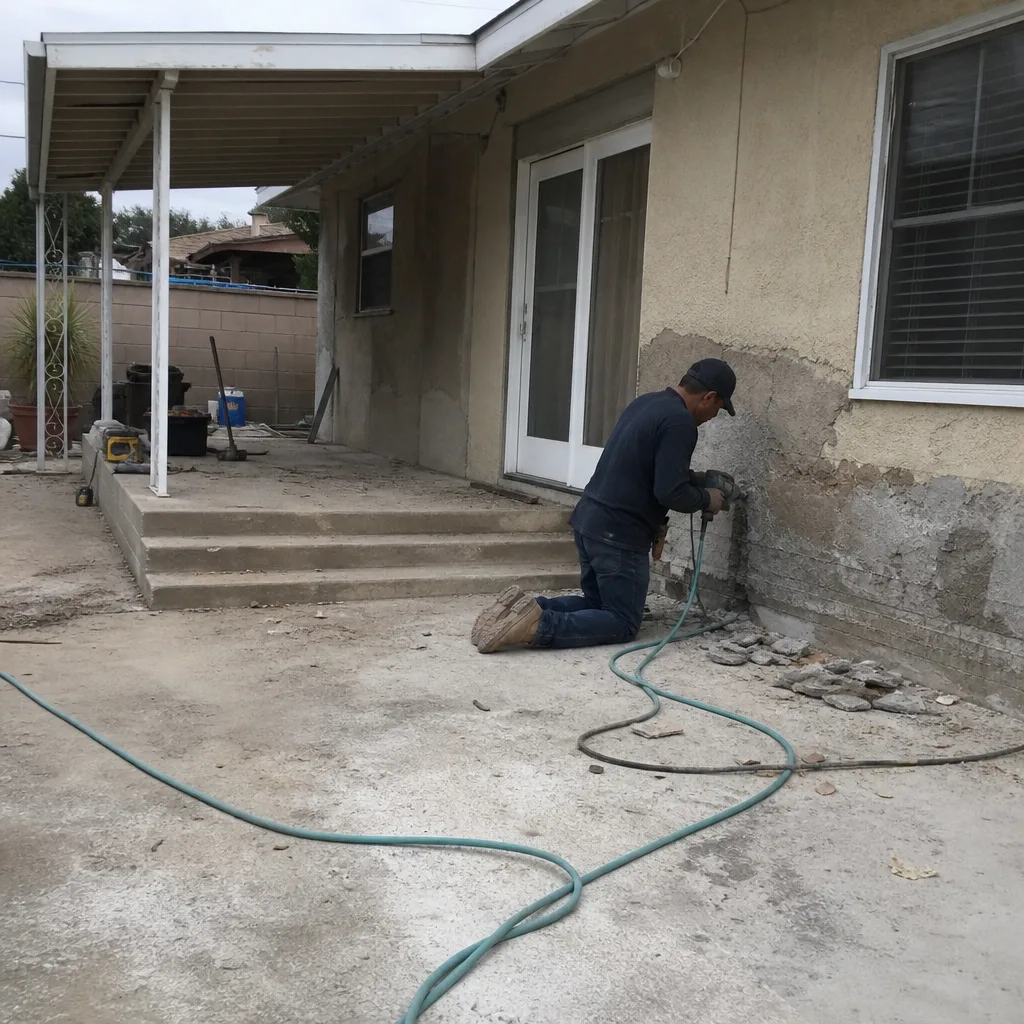 Before
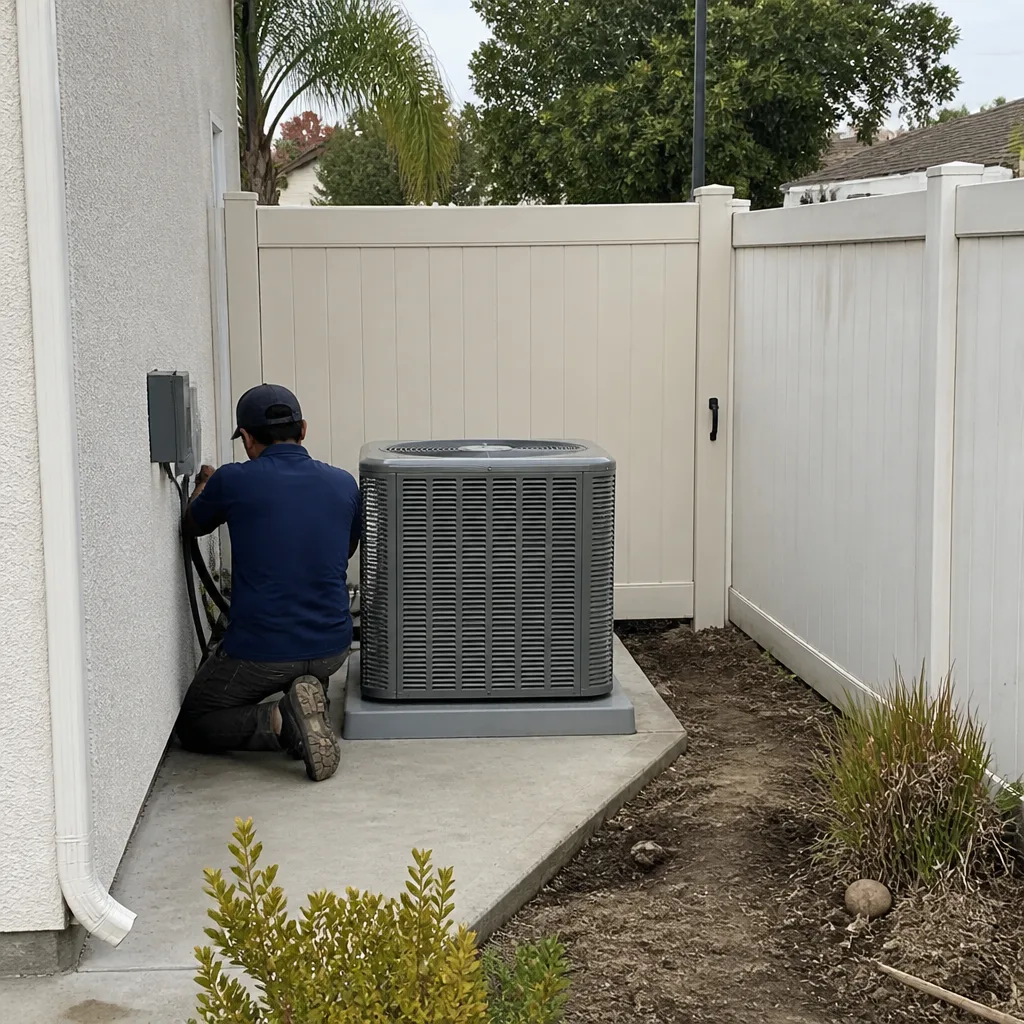 After
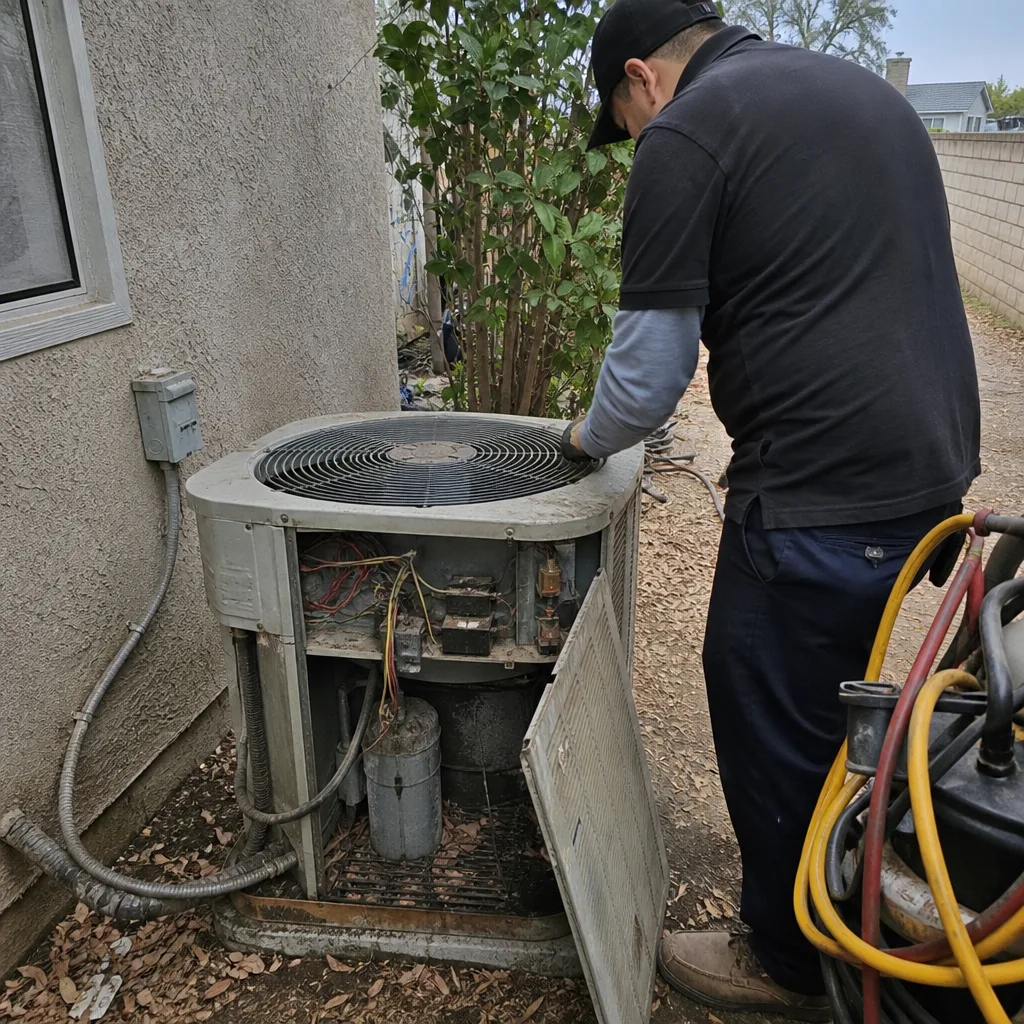 Before
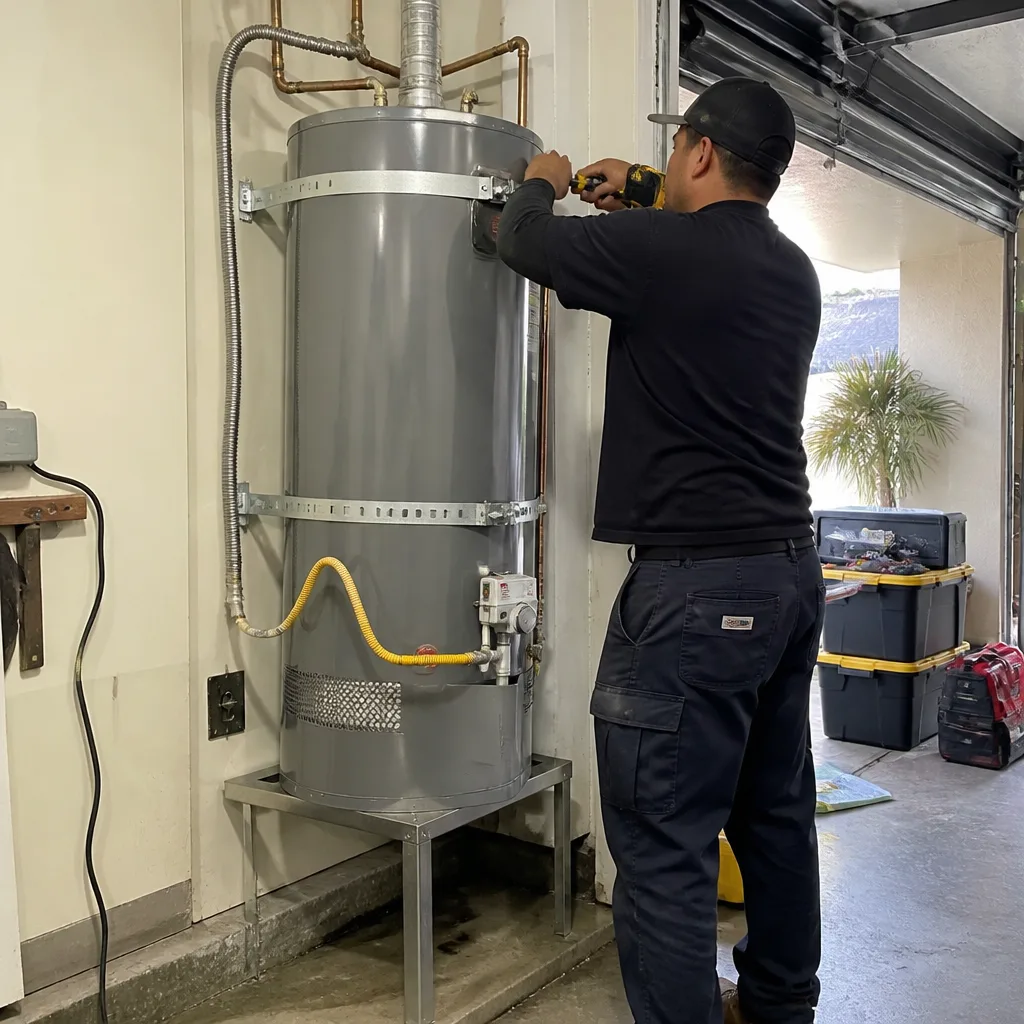 After
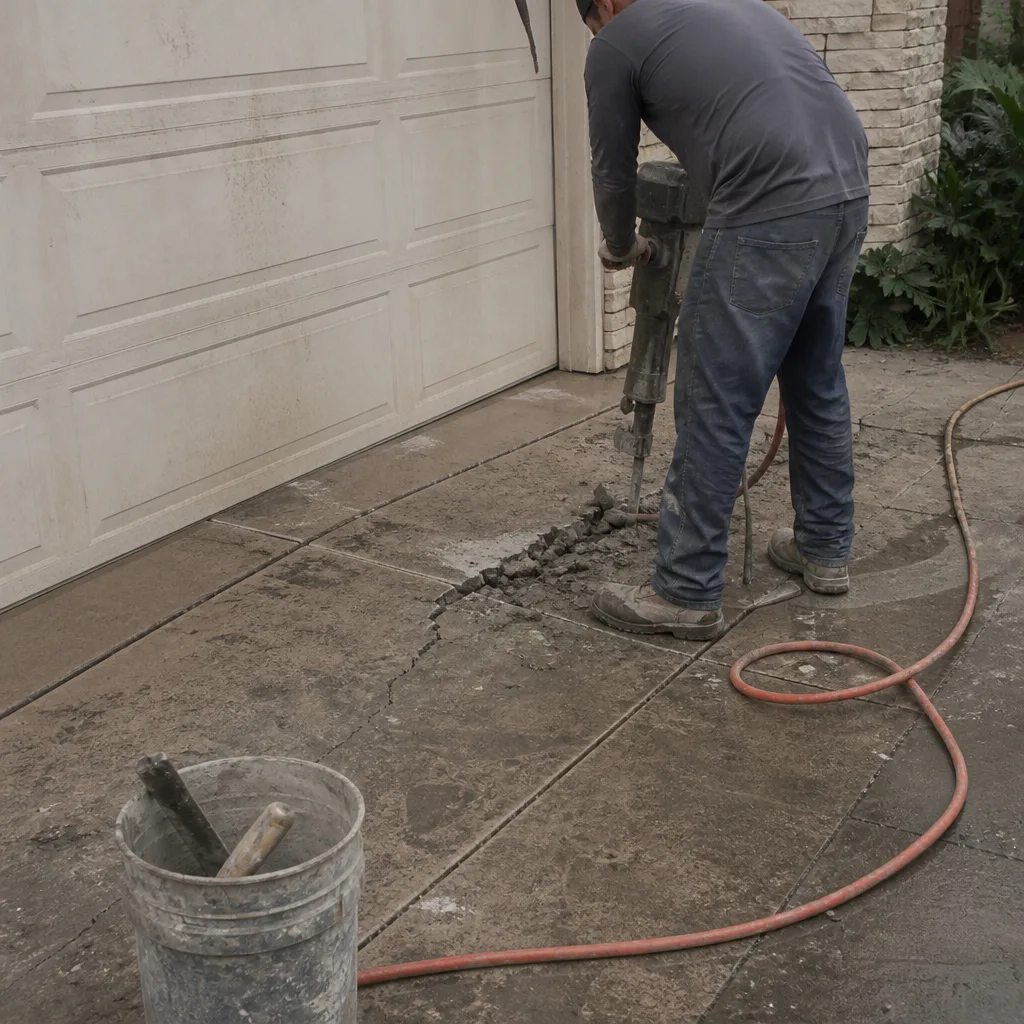 Before
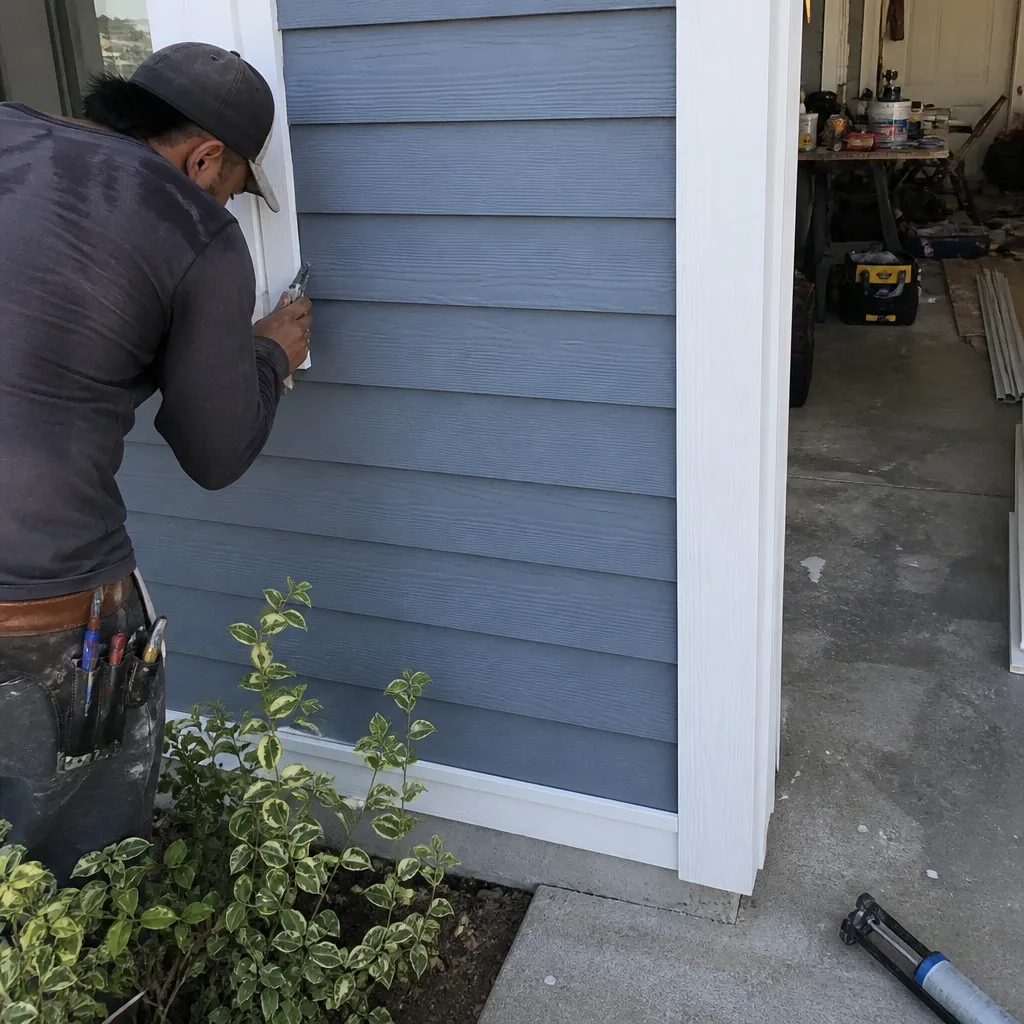 After