Last updated October 31, 2026
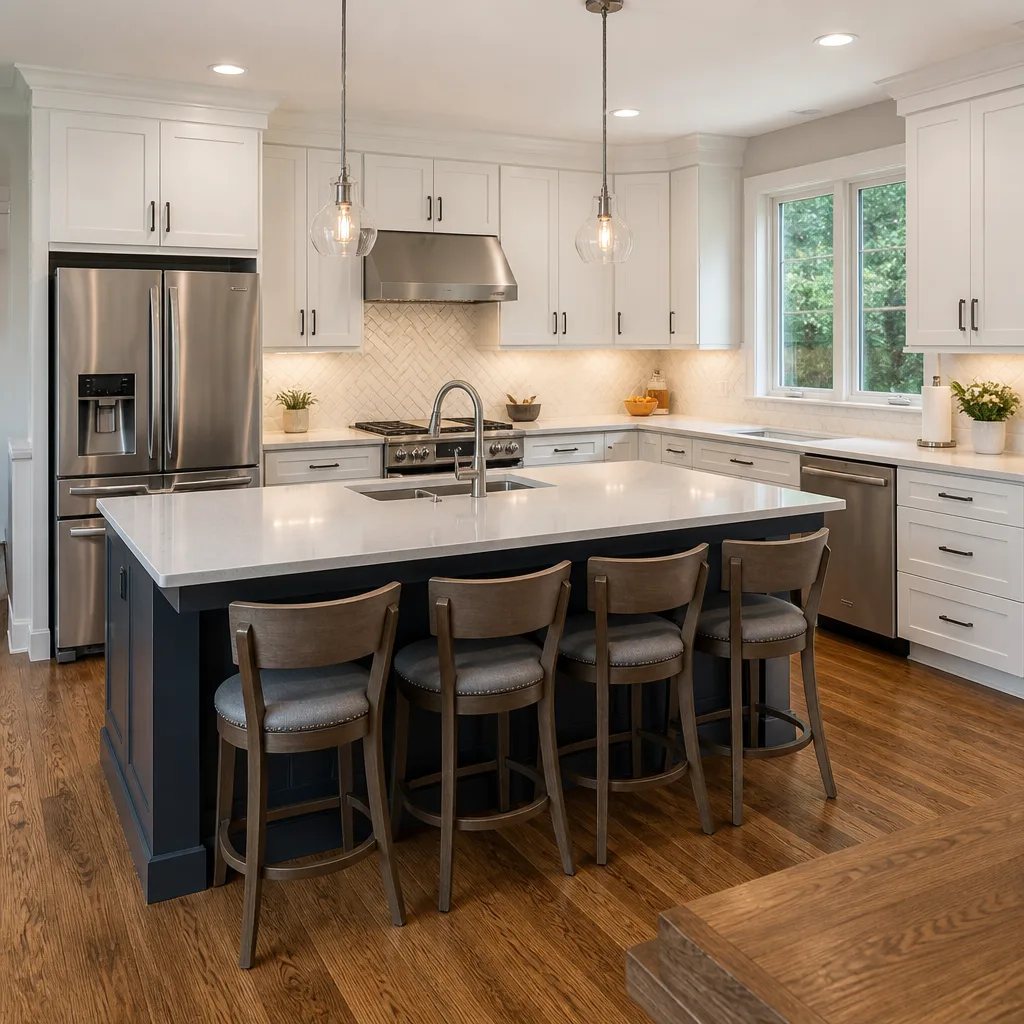 Kitchen remodeling
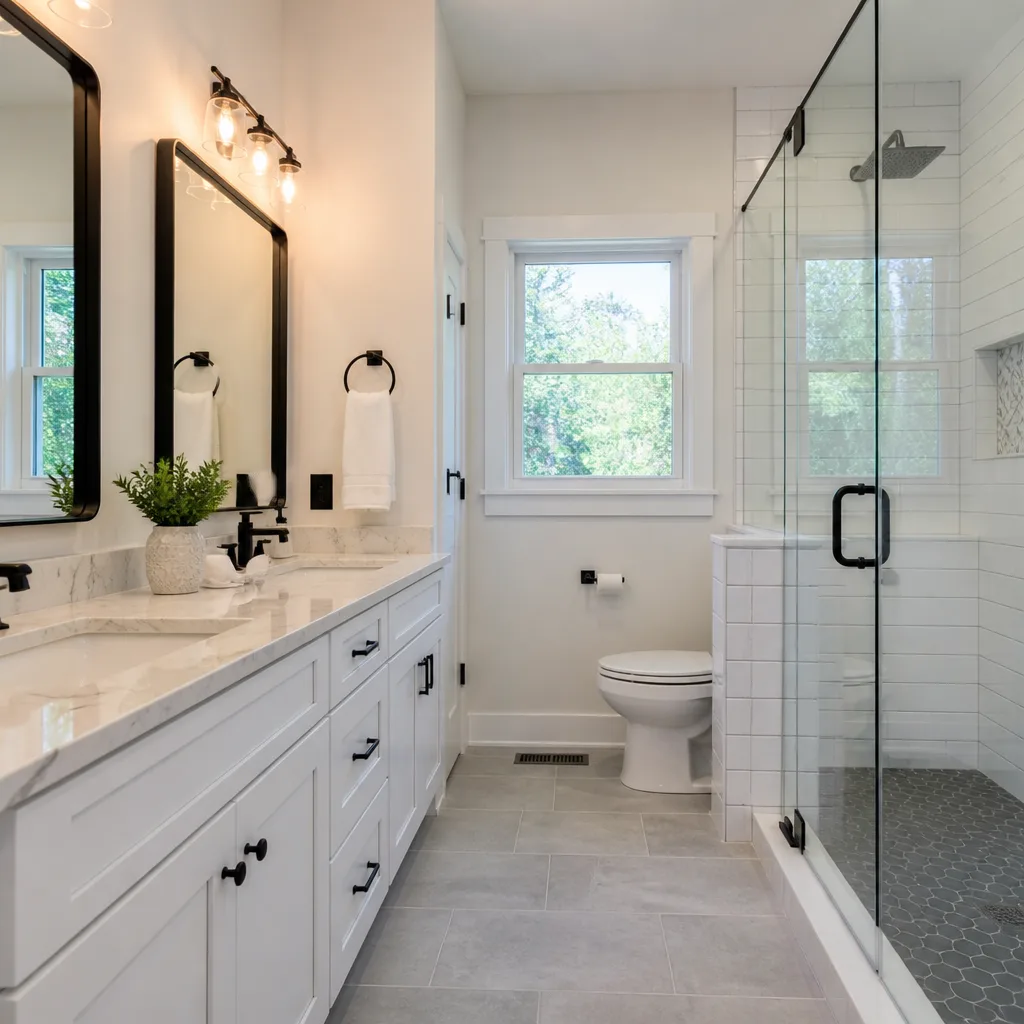 Bathroom remodeling
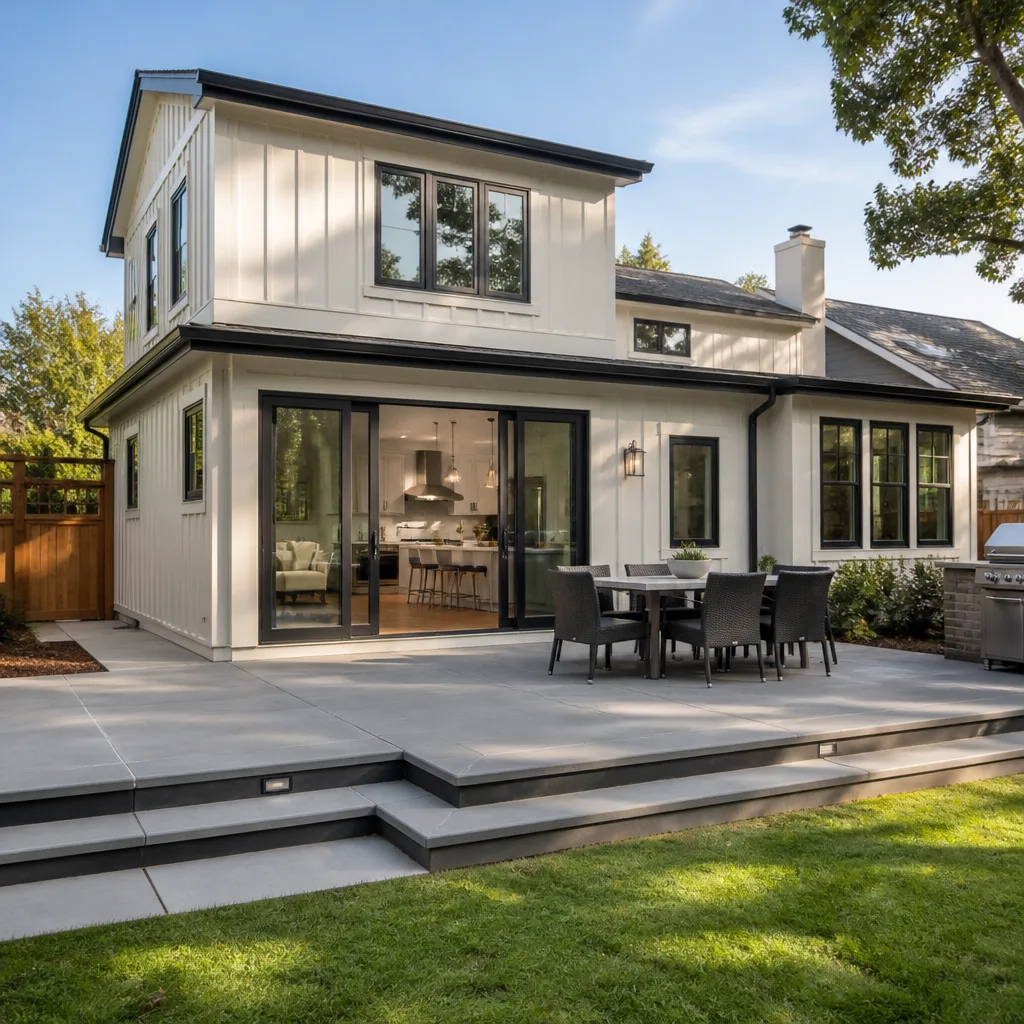 Home additions & ADU
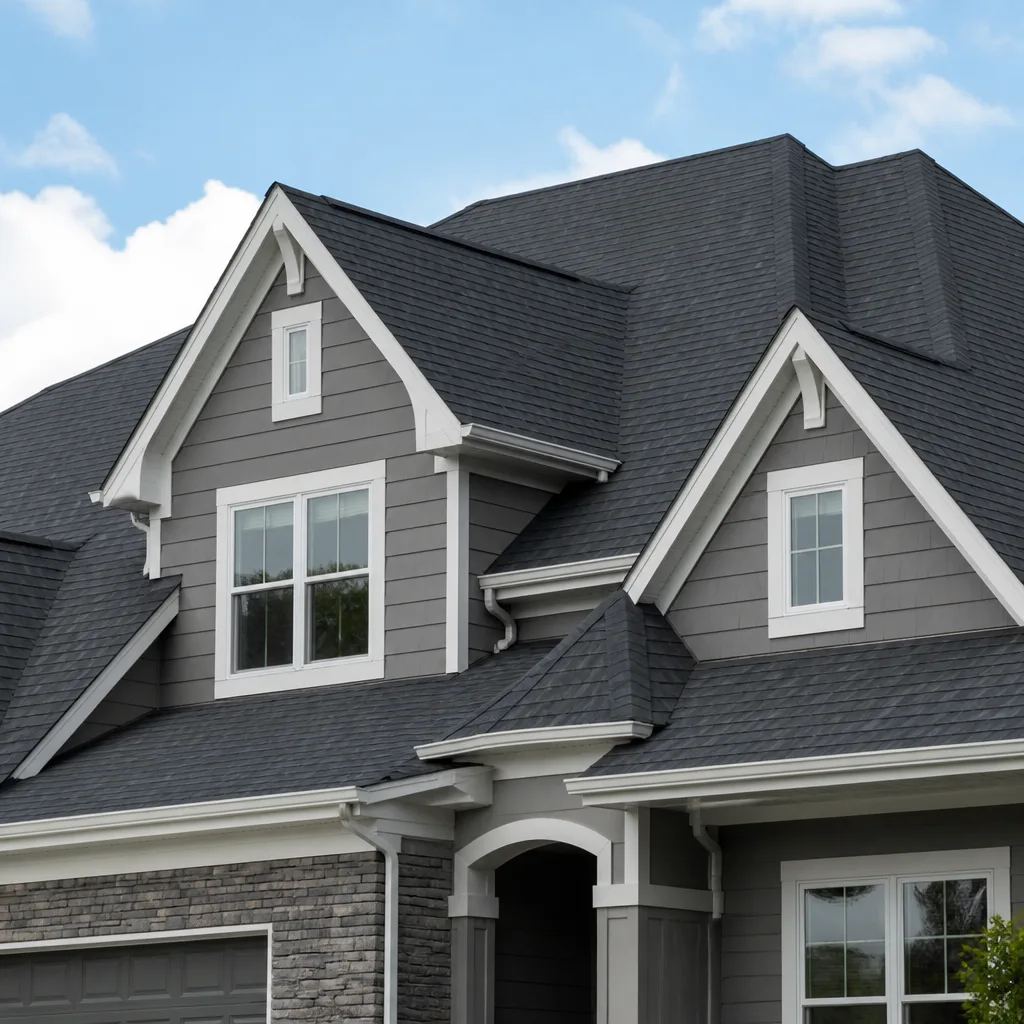 Roofing
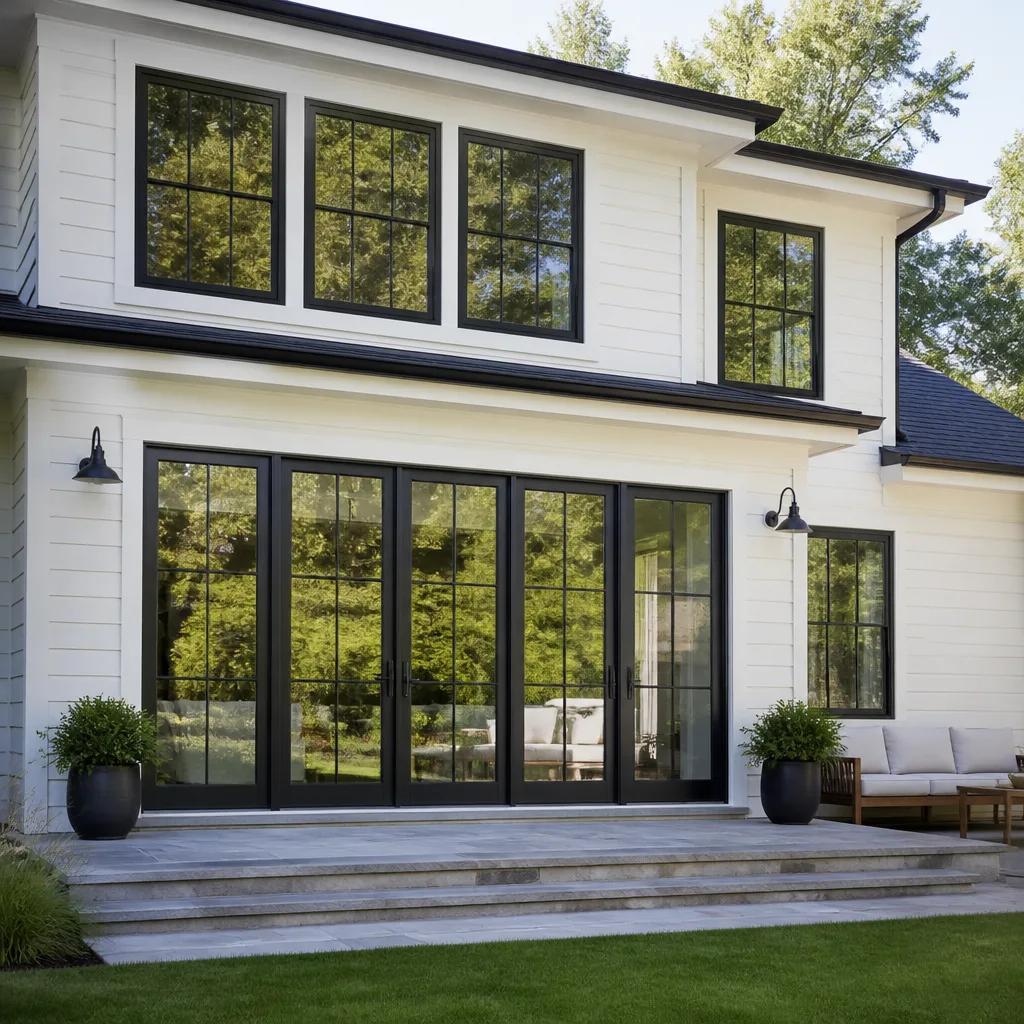 Windows & doors
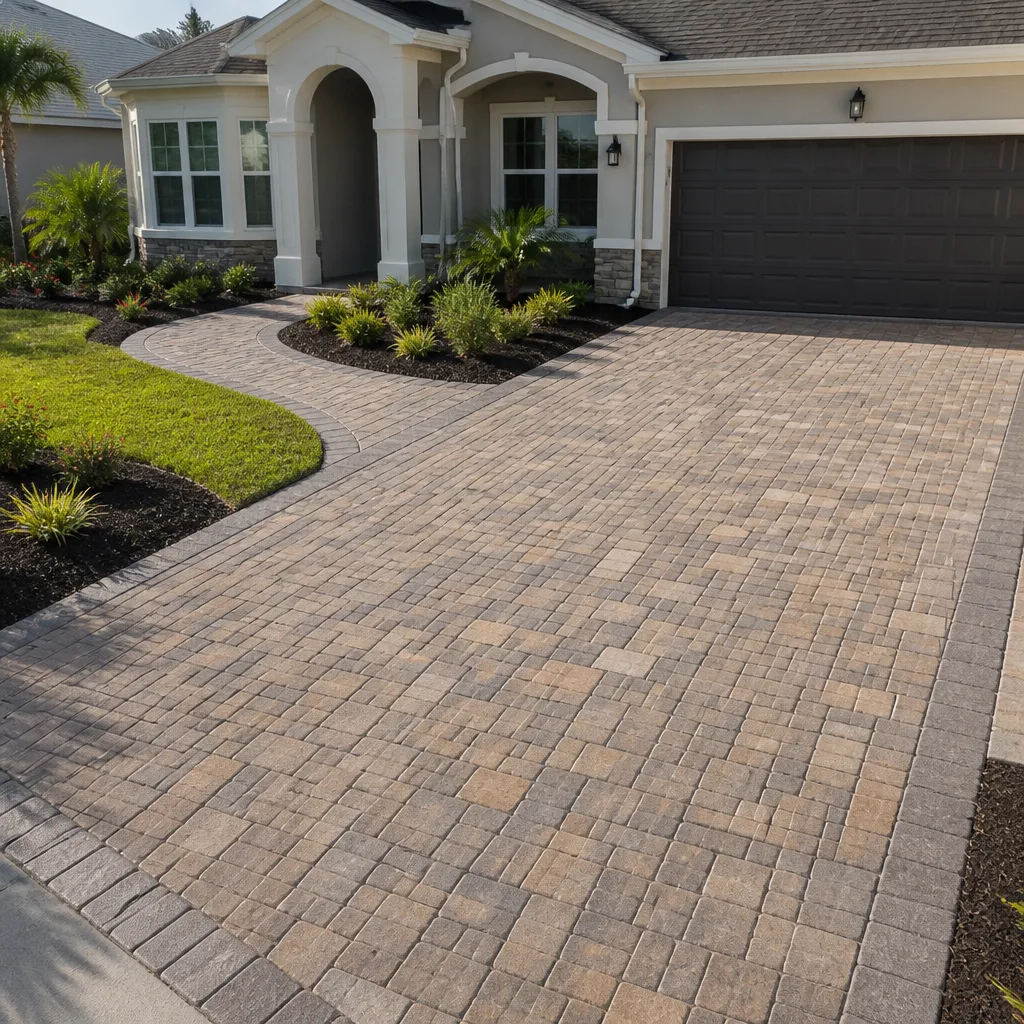 Driveway & pavers
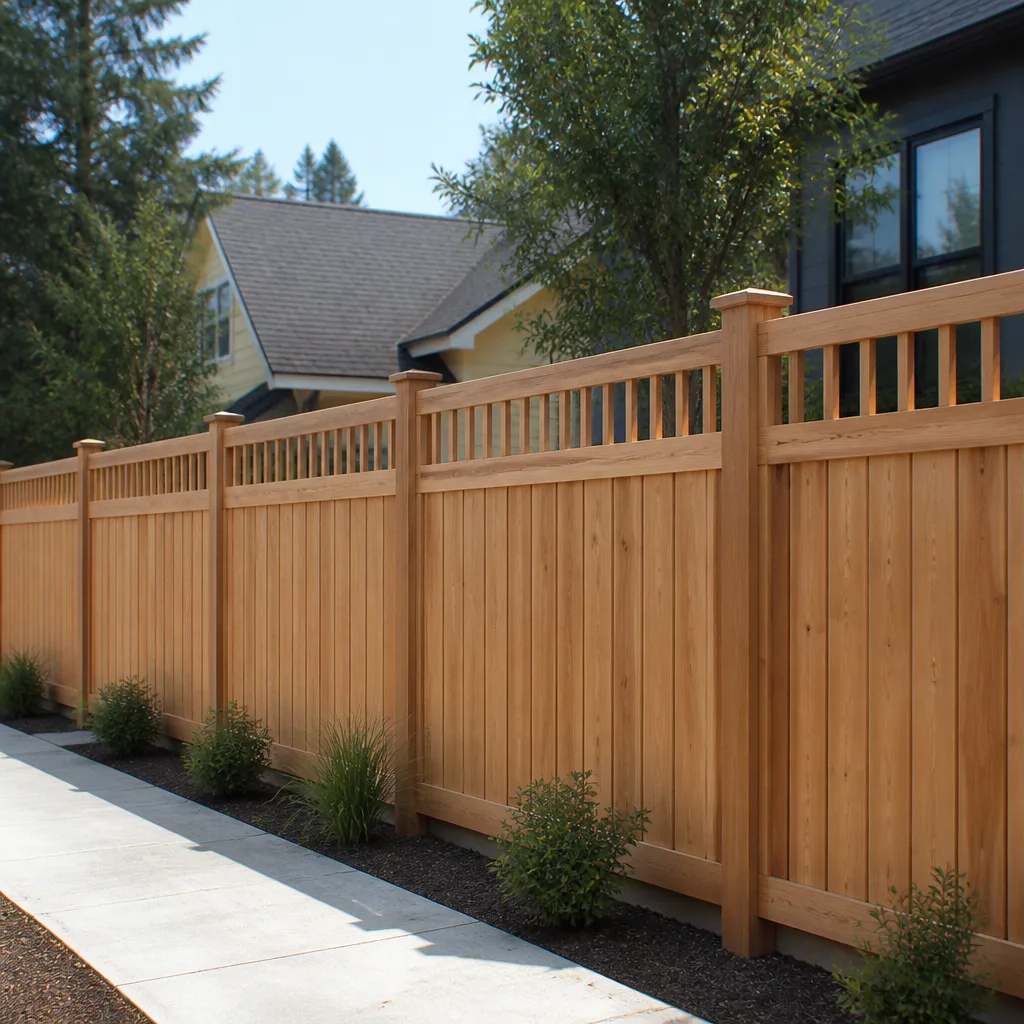 Fence
Free written scope consultation - allowances, timeline, and change-order rules on paper before a single trade is scheduled
Choosing the Right Construction Brand: A Buyer’s Guide for Orange
A premium window brand won’t stop water intrusion if the flashing installation isn’t manufacturer-certified. Here’s the part most homeowners in Orange never hear: the majority of product failures we see on job sites are not material defects. They are installation failures. A window that leaks, a roof that lifts in Santa Ana winds, a paver patio that shifts after two winters. Same brand, same product, two different outcomes. The variable is almost always the installer’s relationship with the manufacturer. This guide teaches you how to evaluate construction brands and contractors together, because choosing them independently is how expensive mistakes happen. For The Complete Guide to Construction in Orange, see our full resource.
Quick Answer
The best construction brand in Orange is not a single product line. It is the brand you can get installed by a contractor who is actually authorized to install it. Manufacturer warranties, product performance in high-UV and marine-layer conditions, and installation credentials matter more than the logo printed on the box. Start by finding a general contractor with a documented brand portfolio, then select products from that portfolio. Our The Complete General Contractor Guide for Orange Homeowners explains what to look for.
Styles & brands we work with
Table of Contents
- How to Read Manufacturer Warranty Documents for Installation Requirements
- Brand Tiers by Product Category: Specification-Grade vs. Builder-Grade
- How to Verify an Authorized Installer or Certified Dealer
- Orange County Climate Performance Standards
- Why Brand Selection and Contractor Selection Should Happen Together
- Specific Questions to Ask Before Signing Anything
- Common Mistakes to Avoid
- When to Call a Professional
- Frequently Asked Questions
How to Read Manufacturer Warranty Documents for Installation Requirements
Most homeowners read a warranty like a restaurant menu. They look at the name, the duration, and the price tag. That is exactly backwards. The first thing you should read in any construction product warranty is the installation requirements section, because that is where coverage gets voided.
Here is how to do it properly.
- Find the “Installation” or “Installation Requirements” section. Every manufacturer publishes installation instructions separately from the warranty document. The warranty will reference those instructions. If it does not, run.
- Look for the phrase “authorized installer,” “certified installer,” “approved contractor,” or “trained installer.” This is the clause that says coverage applies only when the product is installed by someone who has completed the manufacturer’s training program. GAF roofing systems, for example, extend their strongest warranties only through GAF-certified contractors. PGT windows carry installation requirements tied to Miami-Dade and coastal building codes.
- Check for “void if” language. Common voiding conditions include: incorrect flashing, improper slope, non-approved fasteners, missing underlayment, or installation outside specified temperature ranges. These clauses are not boilerplate. We have seen entire roof warranties voided because a contractor used non-approved underlayment with an otherwise premium shingle.
- Look for the “registration” requirement. Many warranties require the installer or homeowner to register the product within a specific window (usually 30 to 90 days). Miss the deadline and your lifetime warranty turns into a 5-year pro-rated warranty.
- Ask for the installation instructions before you sign. If the contractor cannot show you the manufacturer’s installation manual, they are not following it. That is not a negotiating tactic. That is a warranty that will not pay out when you need it.
In Orange, this matters more than in most markets. Our local building departments see thousands of renovation permits yearly, and inspection failures often trace back to installation details rather than product choice. A James Hardie siding warranty, for example, depends on specific clearances, flashing details, and fastener schedules. Get one detail wrong and the warranty is weakened, even if the siding itself never fails.
Brand Tiers by Product Category: Specification-Grade vs. Builder-Grade
Two products can carry the same brand name and perform completely differently. That is because most major manufacturers operate across multiple tiers. The product you see in a big-box store is often not the same product a spec-builder orders for a custom home. Knowing the difference is how you avoid paying premium prices for builder-grade performance.
Roofing
Specification-grade: GAF Timberline HDZ, CertainTeed Landmark Pro, Owens Corning Duration. These have thicker mats, higher wind ratings, and more advanced granule technology. They carry the manufacturer’s strongest warranty backing.
Builder-grade: The entry-level lines from the same manufacturers. They look similar at point of sale but carry thinner mats, lower wind ratings, and shorter prorated periods. In Orange’s Santa Ana wind conditions, the difference shows up within a decade.
Roofing brands with strong documented performance in high-wind zones include GAF, CertainTeed, Owens Corning, IKO, Atlas, Tamko, and Boral. A general contractor in Orange with access to multiple roofing brands can specify the right tier for your exposure level rather than defaulting to whatever is cheapest.
Windows
Specification-grade: PGT, CGI. These are engineered for impact and wind-driven rain. PGT’s WinGuard line is tested for hurricane conditions. That might sound irrelevant in Orange, but coastal marine conditions and Santa Ana wind gusts test window flashing just as hard.
Builder-grade: Vinyl windows from national brands sold at home centers. They meet code. They do not exceed it. The difference shows up in air infiltration ratings, frame deflection, and hardware longevity.
Siding
Specification-grade: James Hardie fiber cement. It is the dominant standard for moisture-durable, fire-resistant exterior cladding in Southern California. The key is installation. James Hardie publishes detailed installation requirements that many contractors ignore.
Builder-grade: Entry-level vinyl siding or lower-thickness fiber cement alternatives. In Orange’s UV exposure, cheaper vinyl fades, warps, and embrittles within a decade.
Hardscaping and Pavers
Specification-grade: Techo-Bloc and Cambridge Pavers carry premium lines with better dimensional consistency and surface treatments. Techo-Bloc’s larger-format slabs are engineered for tighter joints and better load distribution. Cambridge Pavers offers specialized finishes that hold up in high-UV environments without surface chalking.
Builder-grade: Unbranded or entry-level pavers from bulk suppliers. They are produced with lower compression strength and more dimensional variance, which translates to shifting over time.
One of the brands we specify frequently is Techo-Bloc, particularly for Orange homeowners who want a paver system that does not shift after the first rainy season. The dimensional consistency means tighter joint tolerances, and tighter joints mean less movement over time. Cambridge Pavers is another option when the project calls for a particular aesthetic at a different price point.
What separates specification-grade from builder-grade is rarely visual. It is dimensional tolerance, fastener schedules, performance testing, and warranty backing. If you cannot tell the difference at a showroom, ask for the technical data sheets.
How to Verify an Authorized Installer or Certified Dealer
Anyone can say they use a brand. Saying “we install James Hardie” is not the same as being a James Hardie certified contractor. Saying “we install GAF roofs” is not the same as being a GAF Master Elite contractor. The difference is more than a badge. It affects warranty strength, access to technical support, and installer accountability.
Here is how to verify in five steps.
- Visit the manufacturer’s website. Every major brand has a “Find a Contractor” or “Find a Dealer” tool. GAF, CertainTeed, Owens Corning, PGT, James Hardie, Techo-Bloc, and Cambridge Pavers all publish searchable directories. Type in Orange or your ZIP code and see if the contractor appears.
- Ask for the credential number. Credentialed contractors are assigned an ID. Ask for it. Then verify it with the manufacturer directly.
- Ask when they last completed manufacturer training. Certifications lapse. A contractor who got certified in 2018 and has not refreshed training since may not be current on the latest installation standards.
- Check how many installations they have completed with that specific product. Volume matters. A contractor who has installed 200 James Hardie siding projects in Orange has seen the edge cases. A contractor who has done three has not.
- Ask for a local project reference using that exact product. Not “a happy customer.” A customer whose project used the same product, installed to the same specification. In Orange, drive by the house if you can.
The distinction between “we use Brand X” and “we are credentialed by Brand X” is the difference between a warranty that pays out and one that is denied. At Iron Beam Contractors home, we maintain a documented brand portfolio of over 50 manufacturers. That is not a marketing list. That is the list of brands for which we hold installation credentials, warranty access, or direct dealer relationships.
Orange County Climate Performance Standards
Orange has a climate that looks mild on paper and is actually demanding on building materials. It is not just heat and rain. It is UV exposure, marine layer moisture, Santa Ana wind events, and temperature swings between coastal and inland microclimates.
Here is what that means for product selection.
High UV: Orange averages over 260 sunny days per year. UV breaks down polymers, fades pigments, and degrades surface treatments. This affects siding, decking, roofing granules, and even window frame finishes. Products that perform well in high-UV environments use stabilized pigments and surface treatments designed for Southern California exposure.
Marine layer: Properties closer to the coast deal with morning marine moisture eight months a year. That means unpainted wood rots faster, metal fasteners corrode, and paints without mildewcide fail early. Product choices for Orange’s marine zones need to be specified for moisture exposure, not just aesthetics.
Santa Ana winds: Seasonal wind events routinely gust over 50 mph in Orange’s canyons and foothill neighborhoods. Roofing systems need high-wind installation details. Fences need deeper posts and better bracing. Windows and doors need proper flashing and air sealing to prevent interior dust intrusion and frame deflection.
Expansive soils: Some Orange neighborhoods sit on expansive clay soils. This affects hardscape installation more than product selection, but it is why base preparation and joint design matter as much as the paver brand. A premium paver on a poorly prepared base will fail. A mid-tier paver on a properly prepared base will hold.
For home remodeling in Orange, climate performance should determine product specification as much as design preference. If a contractor cannot tell you how a product performs in high-UV or high-wind conditions, they have not done the homework.
Why Brand Selection and Contractor Selection Should Happen Together
The conventional process is backwards. Homeowners pick a brand first (often from a magazine, a showroom visit, or a friend’s project), then find a contractor to install it. That sequence creates three problems.
Problem 1: You fall in love with a product before you know if it fits your project. Some products are designed for specific applications. A Techo-Bloc paver line might be perfect for a patio but wrong for a driveway with heavy vehicle loading. A specific window line might exceed your budget for one elevation but be right for another.
Problem 2: You cannot easily find a credentialed installer. If you pick a brand without checking installer availability, you may end up hiring someone who is not authorized to install it. That voids the warranty before the product arrives.
Problem 3: You lose the benefit of contractor product expertise. A contractor who works with a specific brand portfolio knows which products perform in Orange’s conditions, which have supply chain stability, and which have responsive technical support when problems arise. That is institutional knowledge you cannot get from a product brochure.
The better sequence is this.
- Find a general contractor with a documented brand portfolio. Not a contractor who says “we can source anything.” A contractor who can show you the list of brands they are credentialed to install.
- Select products from that portfolio. Your options are more limited, but every option is one the contractor actually knows how to install correctly.
- Review the product specifications and warranties together. The contractor should be able to walk you through the installation manual and explain why each detail matters for your specific project.
- Confirm the written quote names the exact product model and installation standard. Not “roofing shingles.” The exact shingle line, the underlayment, the flashing details, and the installation standard.
This is what we mean when we say “one contractor, every phase.” It is not about convenience. It is about accountability. When one contractor specifies, sources, and installs the product, there is no gap between the person choosing the material and the person putting it in place. At Iron Beam Contractors, we work with a curated roster of brands across cabinetry (KraftMaid, Wellborn), countertops (Cambria, Silestone, Caesarstone), roofing (GAF, CertainTeed, Owens Corning), windows and doors (PGT, Therma-Tru, CGI), hardscaping (Belgard, Unilock, Techo-Bloc), and plumbing fixtures (Kohler, Moen, Grohe, Toto, Blanco). That is not a brag. That is a scope statement. We can specify, source, and install across the full project without handing you a list of disconnected subcontractors.
For home renovation in Orange, this integrated approach matters more than ever. A bathroom remodel that pulls together Toto fixtures, Schluter waterproofing, and Wellborn cabinetry requires coordination. If the tile contractor does not understand Schluter installation standards, or the plumber has never worked with Toto rough-in dimensions, the project stalls. When one contractor owns the full scope, those gaps disappear.
Specific Questions to Ask Before Signing Anything
Here are the questions most homeowners never ask, and the answers that separate a credentialed contractor from a broker.
- “Which brands are you actually credentialed to install, and can I see the documentation?” A real contractor has a list. A broker has a sales pitch.
- “Who will be on site? Your own crews or subcontractors?” Subcontractors are not automatically bad. The problem is when the contractor cannot tell you who will be doing the work. Iron Beam operates as a full-scope general contractor, meaning we coordinate and execute multi-trade projects rather than functioning as a single-trade specialist.
- “What is the manufacturer’s installation standard for this product, and can you show me the manual?” If they cannot produce the manual, they are not installing to it.
- “What is your process for warranty registration and closeout documentation?” The best installation does not matter if the warranty is never registered.
- “Can I see a similar completed project in Orange?” Local references matter. It is one thing to show a project in another city. It is another to show one that survived three years of Santa Ana winds and two rainy seasons in Orange.
- “What happens if the product arrives damaged or defective?” The answer tells you how the contractor handles supply chain problems. Do they own the problem, or do they make it yours?
- “How do you handle change orders if site conditions are different than expected?” In Orange’s older homes, unexpected conditions are the norm. A contractor who cannot answer this clearly will surprise you later.
Common Mistakes to Avoid
- Choosing a brand before choosing a contractor. This locks you into a product without confirming you can get it installed by a credentialed professional. Start with the contractor’s brand portfolio, then select within it.
- Comparing quotes without comparing specifications. Two bids for a roof can be $8,000 apart and both be honest. The difference is usually material tier, installation detail, and warranty strength. In Orange, a low bid on a Santa Ana-exposed roof will cost you more within a decade.
- Assuming all product warranties are equal. They are not. The same shingle line can carry a 10-year pro-rated warranty or a lifetime non-prorated warranty depending on who installs it and whether the full system matches the manufacturer’s spec.
- Ignoring the installation manual. Every product failure you read about starts with an installation detail that was skipped. Flashing, slope, fastener schedule, joint spacing. The manual matters more than the marketing.
- Selecting products for aesthetics only. In Orange’s UV and moisture conditions, some finishes perform dramatically better than others. A product that looks right in a showroom can look terrible after three summers of full sun exposure.
- Not verifying installer credentials directly with the manufacturer. A contractor can say anything. The manufacturer’s “Find a Contractor” directory does not lie.
- Trying to coordinate multiple trades yourself to save money. The homeowner who self-manages a remodel with separate contractors for tile, plumbing, electrical, and cabinetry usually spends more and waits longer. One accountable general contractor with a defined brand portfolio is cheaper in the long run.
When to Call a Professional
Some projects are genuinely DIY-friendly. Painting a room, replacing a faucet cartridge, swapping out a light fixture. This is not that guide. The moment your project involves structural work, waterproofing, roofing, window replacement, exterior cladding, or any product with a manufacturer warranty tied to installation requirements, you need a professional. Here is the specific point where it becomes non-negotiable: any time a mistake could cause water intrusion, structural compromise, or void a warranty. That is not a handyman scope. That is a general contractor scope.
Iron Beam Contractors offers free estimates in Orange. Call (833) 756-5936 to walk through your project scope and the brand options that fit it.
Frequently Asked Questions
The most important factor is whether you can get the product installed by a contractor who is credentialed by the manufacturer. A product warranty is only as strong as the installer’s authorization, and in Orange’s high-UV and Santa Ana wind conditions, installation quality determines whether the product performs.
Expect to pay 20 to 40 percent more for specification-grade materials across roofing, windows, siding, and hardscaping. See our Construction Cost Breakdown: The Orange Homeowner’s Reference for 2026 for detailed pricing by category. The gap varies by category. Premium roofing shingles typically run 15 to 25 percent more. Premium windows can be 30 percent more. Premium pavers like Techo-Bloc or Cambridge Pavers typically run 20 to 35 percent more than unbranded bulk options. The long-term difference is usually lower. Call (833) 756-5936 for an exact quote tied to your project. Estimates are free.
A contractor can attempt to install any brand, but that does not mean the installation will satisfy the manufacturer’s warranty requirements. Many manufacturers require installation by an authorized or certified installer to activate full warranty coverage. Always verify installer credentials before committing to a product.
For Orange’s high-UV, marine-layer, and Santa Ana wind conditions, specification-grade products with documented performance in coastal and wind-prone environments perform best. This includes GAF, CertainTeed, and Owens Corning roofing; PGT impact-rated windows; James Hardie fiber cement siding; and Techo-Bloc or Cambridge Pavers for hardscaping. The installer’s adherence to manufacturer specs matters as much as the brand itself.
Visit the manufacturer’s website and use their “Find a Contractor” or “Find a Dealer” tool. Search for Orange or your specific ZIP code. Ask the contractor for their credential ID and verify it directly with the manufacturer. Ask when they last completed manufacturer training. Credentials that are not current are not credentials.
A professional contractor should provide a written line-item quote with fixed pricing for the defined scope. Change orders should only occur when site conditions reveal something that could not have been identified during the estimate. Ask the contractor to explain their change order process before signing. If they cannot, walk away. Call (833) 756-5936 for a detailed written quote that names exact products and installation standards.
The Bottom Line
Construction brand selection is not a shopping exercise. It is a specification exercise. The brand on the box matters, but only when it is installed by someone who actually follows the manufacturer’s installation manual, holds current credentials, and has documented experience in Orange’s specific climate conditions. If you do one thing after reading this guide, let it be this: choose the contractor first, then choose from the brands they are actually authorized to install. The alternative is spending premium money on a product whose warranty was voided before the first inspection. Your project deserves a general contractor, not a coordinator.
Written by the team at Iron Beam Contractors, serving Orange since 2018.
See the difference
 Before
 After
 Before
 After
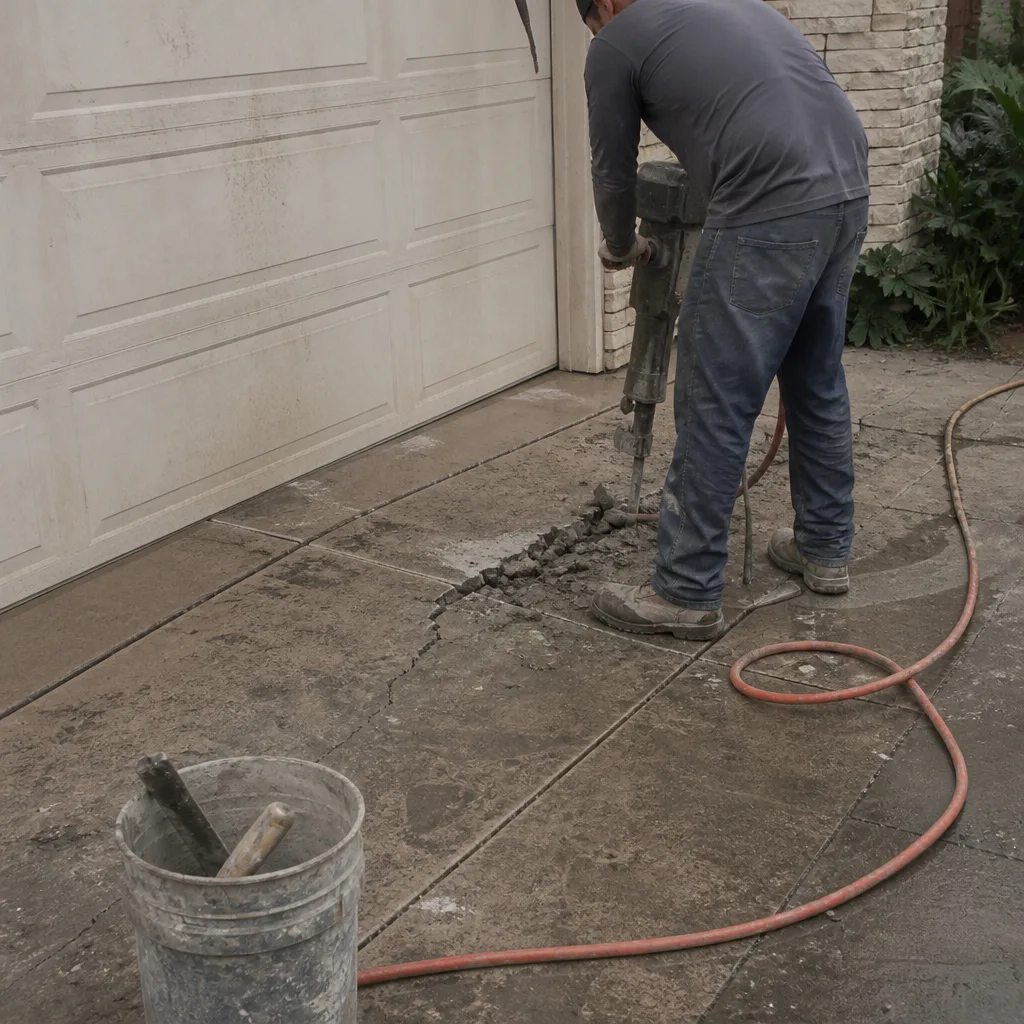 Before
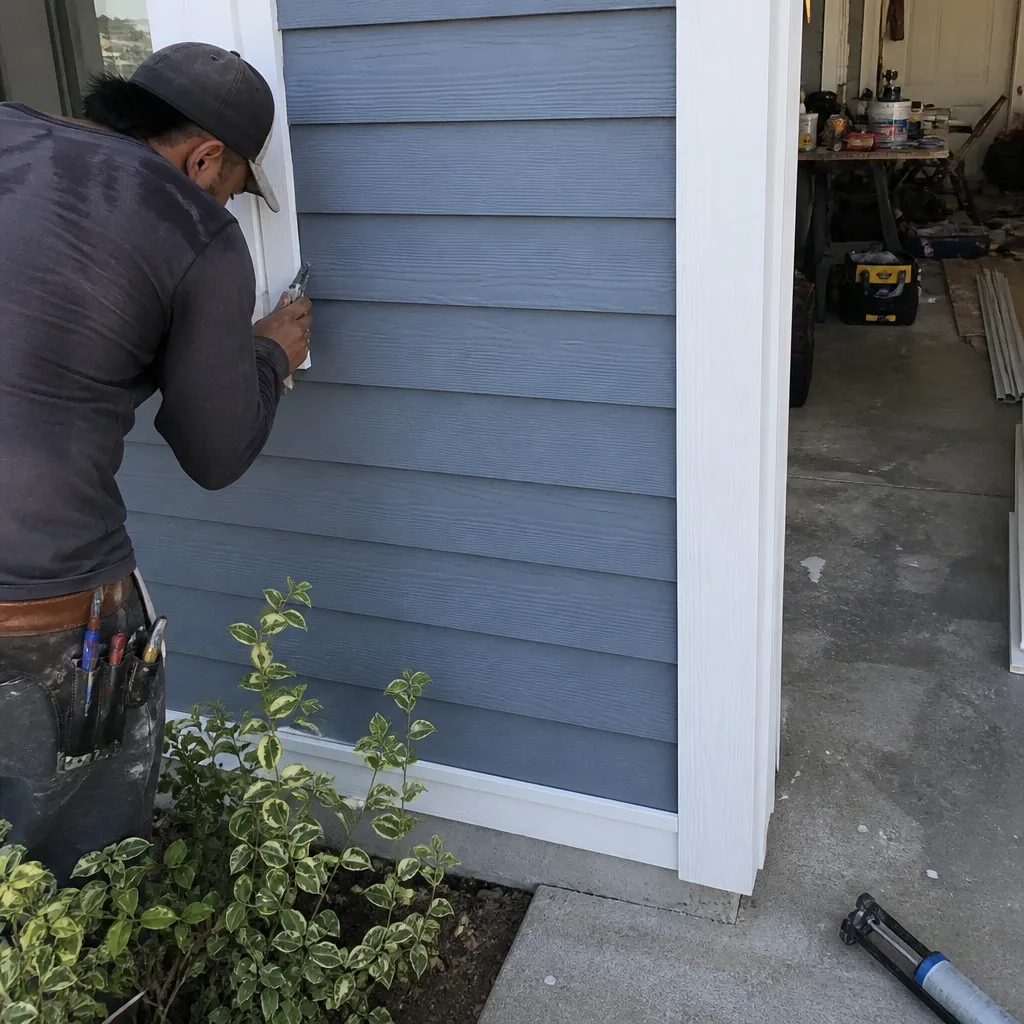 After