
Last updated October 31, 2026
 Home additions & ADU
 Kitchen remodeling
 Bathroom remodeling
 Roofing
 Windows & doors
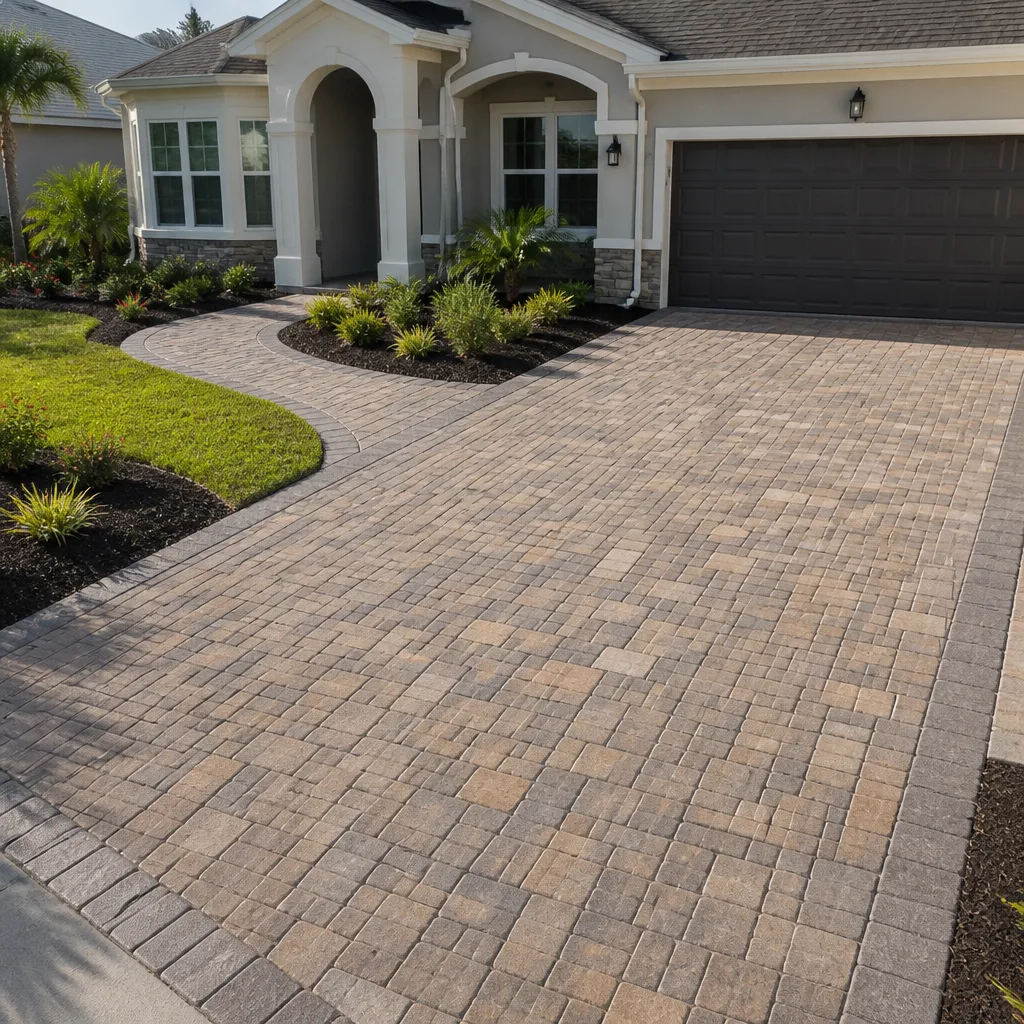 Driveway & pavers
 Fence
Free written scope consultation - allowances, timeline, and change-order rules on paper before a single trade is scheduled
General Contractor Maintenance Checklist for Orange Homeowners
The Santa Ana winds that sweep through Orange every fall stress roofing adhesives, window seals, and exterior caulk harder in three days than a full year of ordinary weather does. Most homeowners never check for the damage until a winter rain finds the gap and water streaks the ceiling. This guide is built around the failure patterns we actually see in Orange homes: marine layer moisture in the lower neighborhoods, UV-cured stucco and trim, and wind-driven debris from the foothills. You’ll learn what to inspect, when to inspect it, and which jobs make sense to hand to our General Contractor services rather than a handyman.
Styles & brands we work with
Quick Answer
A general contractor maintenance checklist for Orange, CA homes should be organized around the city’s three weather engines: the dry Santa Ana season (September through November), the wet winter months (December through March), and the marine layer period (May through August). The highest-priority items are roof edge inspection, exterior caulk and flashing, attic ventilation, window and door seal testing, stucco crack monitoring, drainage grade checks, and deck or hardscape surface evaluation. A rolling 12-month log that records each inspection creates documentation value for resale and keeps small failures from becoming structural repairs.
Table of Contents
- Santa Ana Wind Season: Pre- and Post-Storm Inspection
- Marine Layer Moisture: What It Does to Wood, Stucco, and Decks
- UV Degradation Timeline: When Replacement Beats Repair
- Attic Ventilation and Drainage: The Two Systems Nobody Watches
- What a General Contractor Checks That a Handyman Misses
- How to Build a Rolling 12-Month Maintenance Log
- Common Mistakes to Avoid
- When to Call a Professional
- Frequently Asked Questions
- The Bottom Line
Santa Ana Wind Season: Pre- and Post-Storm Inspection
Santa Ana winds originate inland as high-pressure air that spills down through the Cajon Pass and Santa Ana Canyon, picking up speed and dropping humidity as it funnels toward the coast. By the time that air reaches Orange neighborhoods, it’s often moving at 40 to 60 miles per hour with single-digit relative humidity. The wind does not just push against surfaces. It lifts, twists, and vibrates them. Roofing shingles that were installed or resealed years ago may hold under normal weather, but sustained wind cycling peels adhesive strips loose. Flashing at roof valleys and around chimneys flexes until fasteners back out. Fascia boards that looked fine in July can reveal nail pops and separation by late October.
Run this sequence twice a year: once in early September before the wind season starts, and again in late November after the worst gusts have passed.
- Walk the roof edge from the ground. Use binoculars to check the drip edge, fascia, and first two course of shingles at every gable end and eave. Look for lifted shingle tabs, exposed nails, and gaps where fascia meets the roofline. Wind enters these gaps and works them wider.
- Inspect ridge cap and roof valleys. If you can safely access the roof or view it from a second-story window, check for cracked or curled ridge shingles and any valley flashing that appears shifted. These are the first points of failure in high-wind events.
- Check window and door flashing at all elevations. On stucco homes, look for hairline cracks running from window corners. On siding homes, check that the flashing tape behind the siding course above each window is not peeling or exposed.
- Test exterior caulk joints. Run a finger along the caulk around windows, doors, and any exterior penetration like hose bibs, dryer vents, or electrical conduit. Caulk that’s chalky, cracked, or pulling away from one surface needs removal and replacement with a high-quality sealant rated for UV exposure.
- Clear gutters and downspouts before the wind arrives. Wind drives leaves and branches into gutter runs, and a full gutter backs water up under the roof edge when the first winter rain hits. Post-wind, repeat the clearing.
- Inspect fence posts and gate hardware. Santa Ana winds expose loose posts quickly. Push each post by hand. Lean, wobble, or visible soil gap at the base means the post footing is compromised.
After the wind season closes, run the same list again and photograph anything you flagged. That photo record becomes the baseline for next year’s inspection and shows a future buyer that the house was actively maintained. For a deeper discussion of full-scope home upkeep, our General Contractor in Orange page covers how project scopes are structured around existing conditions.
Marine Layer Moisture: What It Does to Wood, Stucco, and Decks
Orange sits roughly 12 miles from the Pacific, close enough that the marine layer rolls in most mornings between May and August. That low cloud deck keeps temperatures moderate and humidity elevated for hours before the sun burns it off. For exterior materials, the pattern is repetitive: condensation forms overnight, solar heat dries it by midday, and the cycle repeats 60 to 80 times per season. Wood expands and contracts. Stucco holds moisture in micro-cracks and slowly spalls at edges. Deck boards cup. Homeowners who treat Orange like a dry inland climate miss these slow-acting failures.
Moisture problems in Orange present differently by neighborhood elevation. Homes in lower areas like the flats and older streets hold humidity longer and see more stucco staining and wood rot along north-facing walls. Hillside homes dry faster but catch more wind-driven moisture against west-facing exposures. Both conditions demand specific checks.
Wood framing and trim: Inspect all exterior wood wherever it meets stucco or masonry. Pay close attention to garage door jambs, porch columns, and any wood trim within six feet of the ground. Tap suspect areas with the back of a screwdriver. Soft, hollow, or spongy responses indicate rot. In Orange, the first areas to go are usually north-facing trim that never dries and any wood that sits behind a gutter downspout.
Stucco cracking: Hairline cracks under one-sixteenth of an inch are often cosmetic and can be sealed. Cracks above one-eighth of an inch, especially diagonal cracks running from window or door corners, signal movement that needs evaluation. On stucco homes in Orange, we regularly see step cracking on south-facing walls where afternoon heat cycles drive repeated expansion. Seal narrow cracks with elastomeric caulk before the marine layer fills them with moisture.
Deck surfaces: Wood decks in Orange gray and cup faster on the top surface than the underside because the top sees full UV while the underside holds marine layer moisture. Composite decking handles the moisture fine but can develop surface mold in shaded sections. Scrub composite decks with a mild soap solution once in spring and once in fall, and check every fastener for movement.
If you’re planning work that touches these systems, the scope usually expands quickly. Our Home Remodeling in Orange page explains how we handle projects where exterior and interior work connect.
UV Degradation Timeline: When Replacement Beats Repair
Orange averages over 280 days of sunshine per year, and the UV index runs high from March through October. That exposure is the single biggest driver of exterior material degradation in the city. Most manufacturers rate their products for UV exposure in accelerated lab tests, but real-world Orange conditions compress those timelines on south- and west-facing surfaces.
Here’s what we tell Orange homeowners about when repair stops making sense and replacement becomes the better financial decision.
- Stucco: Properly installed and painted stucco lasts 20 to 30 years before the finish coat breaks down. If you’re repainting more often than every 5 to 7 years because the color chalks out, the finish coat itself is degrading. Patch repair works for isolated cracks, but once the surface shows wide mapping cracks across more than 20 percent of the wall area, full new coat application is the practical fix.
- Composite decking: Premium composite decking from manufacturers like Trex and TimberTech carries 25-year fade and stain warranties, and in Orange’s UV environment the top brands hold color well. If a deck is older than 12 to 15 years and shows plank-to-plank color variation, edge crumbling, or widespread fastener failure, replacement outperforms repair. Individual plank replacement on a deck that age rarely matches the older faded color.
- Vinyl windows: Vinyl window frames in Orange homes typically show their first UV fatigue around year 15 to 18: brittleness at corner welds, slight yellowing, or gasket compression set. Glass seal failure usually arrives around the same window. Replacing insulated glass units is worthwhile while the frame remains sound. Once frames show cracking, full window replacement is the honest recommendation.
- Roofing underlayment: Underlayment under tile or shingle roofs dries out over time. Most synthetic underlayments carry 30- to 50-year ratings, but Orange’s UV and heat cycling test that rating on the days the roof is exposed during repair or reroofing. If a roof is over 15 years old, have the underlayment inspected before patching isolated leaks. Repeated patching over degraded underlayment is throwing money at a bigger job you’ll need anyway.
- Window and door manufacturer partnerships: Iron Beam Contractors sources windows and doors from a defined set of premium manufacturers including PGT, Therma-Tru, CGI, CWS, and ES Windows. When Orange homeowners need full-frame window replacement, the brand decision should be driven by the specific exposure on each elevation, not just a price sheet. A fixed picture window on a shaded north wall does not need the same glass package as a sliding door on a west-facing patio.
Attic Ventilation and Drainage: The Two Systems Nobody Watches
Attic ventilation and site drainage are the silent systems. They do not squeak, they do not leak on the floor, and they do not show up in a weekend walk-through until the failure is already expensive. In Orange, both systems work against specific local conditions: high attic heat build-up during summer and heavy but infrequent winter rain.
Attic ventilation. An Orange attic can hit 140 to 150 degrees Fahrenheit on a July afternoon. That heat bakes the underside of the roof deck, cures shingles prematurely from below, and forces your air conditioning to fight a superheated attic. Proper ventilation means balanced intake and exhaust: soffit vents pulling cooler air in low, and ridge or box vents releasing hot air high. The quick check: on a sunny afternoon, put your hand near a soffit vent outside. If air isn’t moving into it, the intake path is blocked by insulation or dust. Inside the attic, look for daylight at every soffit vent bay. A common Orange home failure is that blown-in insulation was added years ago and covered the soffit baffles completely.
Drainage grades. Every exterior wall and every hardscape surface around an Orange home should slope away from the foundation at a minimum of six inches of fall over the first ten feet. After a few years of settling, patios, walks, and planter beds lose that grade. Check it with a four-foot level on the soil or hardscape at every downspout discharge point. Water standing within ten feet of the foundation 24 hours after rain is a red flag. The fix can be as simple as regrading a planter bed or as involved as lifting and re-sloping a concrete walk. Either way, the cost is trivial compared to foundation repair.
For homeowners planning any exterior renovation, these two systems should be checked before cosmetic work starts. The Home Renovation in Orange page walks through how we sequence building-science checks ahead of finish work.
What a General Contractor Checks That a Handyman Misses
Most homeowner checklists start and stop at what’s visible from the sidewalk: peeling paint, a wobbly gate, a cracked walkway. A general contractor’s maintenance review looks at the connections between systems. Here’s what gets checked on a full maintenance evaluation that most handyman walk-throughs skip.
Structural connections. In residential construction, the load path runs from roof to walls to foundation through a series of metal connectors and anchor bolts. Over time, seismic movement and wind cycling can loosen these. In an attic, we check for truss or rafter separation at the ridge, missing hurricane clips, and any sign the roof framing has shifted off the bearing walls. Under the house or in the garage, we look at the mudsill and anchor bolts. These checks matter in Orange, where the combination of Santa Ana wind loads and seismic building codes means older homes were often built to lesser connection standards than current code requires.
Drainage grades. A general contractor reads the site as a system. Where does water enter the property, where does it flow during a heavy rain, and where does it exit? We check every downspout, every area drain, every swale, and every planter bed against the foundation. Handymen fix the downspout. General contractors ask whether the downspout should be discharging somewhere else entirely.
Attic ventilation. Covered above, but the point bears repeating: most handymen will not crawl an attic to count soffit bays or measure net free ventilation area. A general contractor will, because the attic drives both roof longevity and energy load.
Brand and material compatibility. When a repair touches a manufacturer’s system, the repair should honor that manufacturer’s installation specs. Schluter waterproofing in a bathroom, James Hardie siding on an exterior wall, GAF roofing on the roof deck: each system has published details for flashing, fastening, and termination. A maintenance review that respects those details protects the warranty. We specified our entire brand portfolio around this idea: materials from manufacturers like Cambria, Wellborn, Kohler, and Techo-Bloc are chosen for how they integrate with the assemblies around them. That’s not marketing language. It’s the difference between a repair that lasts and one that fails at the connection point.
How to Build a Rolling 12-Month Maintenance Log
The most underrated maintenance tool in Orange is a written log. A rolling 12-month log does three jobs at once: it reminds you what to check each season, it records what you found, and it builds documentation that becomes genuinely valuable when you sell the home or pull permits for a future remodel.
Set up the log as a simple grid. Each month gets a short list of tasks. Each task gets a one-line result, a date, and a photo reference if relevant. Keep it digital or in a binder in the garage, but keep it consistent. Here’s the framework we recommend to Orange homeowners.
- January: Post-rain roof and gutter check. Look for ceiling stains inside after December storms. Test all exterior caulk joints while the surfaces are still cool and damp.
- February: Drainage inspection. Walk the property during and after the next good rain. Watch where water sheets and where it puddles. Fix any standing water within ten feet of the foundation.
- March: Window and door seal testing. Open and close every operable window. Check weather stripping, latch alignment, and screen condition. Lube all hinges and rollers.
- April: Stucco and siding review. Photograph all exterior walls. Mark any new cracks with painter’s tape and a date. Wait 30 days and recheck for movement.
- May: Deck and hardscape inspection. Check deck fasteners, railing solidity, and hardscape joint sand. Re-sand paver joints if needed. Scrub composite decking.
- June: Attic ventilation check. Crawl the attic on a warm afternoon. Confirm soffit baffles are clear and ridge or box vents are unobstructed. Check for any sign of rodent activity.
- July: HVAC and dryer vent maintenance. Clean or replace filters, clear the condenser fins outside, and have the dryer vent run cleared if you haven’t in two years.
- August: Exterior paint and wood trim review. Check all wood-to-masonry transitions. Probe suspect areas with a screwdriver. Schedule any paint or sealant work before fall.
- September: Pre-Santa Ana roof and fence inspection. Run the full Santa Ana pre-storm checklist from the section above. Check every fence post.
- October: Gutter and downspout clearing, final pre-wind pass. Complete any roof repair flagged in September before the wind arrives.
- November: Post-Santa Ana inspection. Run the wind checklist again. Photograph any new damage for your insurance file if needed.
- December: Annual summary. Review the year’s log. Flag any item deferred more than six months and schedule it now. File the year’s log for resale documentation.
When you sell, this log tells a buyer’s inspector more than a verbal “we maintained the house.” It shows a pattern of attention. When you remodels, it gives your general contractor a head start on existing conditions. Both are worth the ten minutes a month it takes to keep.
Common Mistakes to Avoid
- Inspecting only after a visible failure. By the time a ceiling stain appears, water has been moving through the roof assembly for weeks or months. Seasonal inspection moves you ahead of the failure instead of behind it.
- Checking the roof from the ground only. Ground-level walks miss ridge damage, valley issues, and most flashing problems. Use binoculars as a minimum, and get a full attic view whenever possible.
- Ignoring hairline stucco cracks. In Orange’s moisture cycle, a hairline crack becomes a moisture channel. Water enters, expands the crack, and accelerates the failure. Seal narrow cracks promptly with elastomeric caulk.
- Deferring gutter cleaning until after rain starts. The first heavy rain after a dry stretch brings down more debris from surrounding trees than any other storm. Clean before the rains, not during.
- Replacing individual materials without checking compatibility. A new window installed with old flashing, or a new deck board screwed into rotted framing, fails faster than the original. Every repair should evaluate the assembly around it.
- Skipping documentation. Unrecorded maintenance has no value at resale. A simple photo and one-line note builds a file that pays off later. The best time to start the log is the month you buy the house. The second-best time is this month.
When to Call a Professional
Some failures are obvious: the fence post is leaning, the window won’t close, the ceiling is stained. Others are subtle and require construction knowledge to interpret correctly. Call a professional when you find diagonal stucco cracks wider than one-eighth of an inch, any roof leak you cannot trace to an obvious missing shingle, soft framing at a wall or deck connection, water standing against the foundation after rain, or attic ventilation that is not moving air. These are structural and building-science issues, not cosmetic fixes. Iron Beam Contractors offers free estimates in Orange – call (833) 756-5936 and we’ll walk the property with you.
Frequently Asked Questions
Twice a year: once in September before Santa Ana wind season, and once in March after the winter rains have passed. The September pass focuses on roof, wind, and exterior seal readiness. The March pass focuses on drainage, stucco, and any water intrusion from winter storms. A full seasonal checklist is in the rolling log section above. If you’d rather have a trained eye on it, call (833) 756-5936 for a free estimate on a maintenance evaluation.
The most common failures we see are neglected roof edge flashing, cracked exterior caulk around windows and doors, blocked soffit vents from old insulation work, and drainage grades that have settled toward the foundation. Santa Ana winds expose all four. Fix these before they compound, and you’ll avoid most of the expensive repairs Orange homes face. Call (833) 756-5936 if you need a professional assessment – estimates are free.
Yes. Orange’s position between the coast and the foothills means the city gets a heavier marine layer than inland cities like Yorba Linda or Villa Park, but still experiences strong Santa Ana winds funneling down from the canyons. That combination of morning moisture and seasonal wind creates a specific stress pattern: repeated expansion and contraction of exterior materials, followed by wind-driven abrasion. Inland homes dry faster and see less of both. The checklist in this guide is built around Orange’s actual conditions, not a generic California template.
Most general contractors in Orange price a full property maintenance evaluation between $150 and $400 depending on the size of the home, the number of systems evaluated, and whether any diagnostic equipment like a moisture meter or drone roof check is included. Iron Beam Contractors offers free estimates on maintenance evaluations and larger repair scopes. Call (833) 756-5936 to schedule a walk-through and receive a written line-item quote.
It should not if the contractor did a proper inspection and wrote a detailed scope. At Iron Beam Contractors, we work from written line-item quotes with fixed pricing on the defined scope. If hidden conditions appear once work opens up – rotted framing behind stucco, for example – we document them with photos and issue a written change order before proceeding. You approve every change before we do the work. Call (833) 756-5936 to discuss your project scope and get a fixed quote.
A diligent homeowner or a good handyman can handle most of the seasonal inspection items on this list. Where a general contractor matters is when the checklist turns up a connection failure, a drainage problem, a ventilation deficiency, or anything touching multiple trades. A loose fence post is a handyman job. A roof leak that involves decking, underlayment, flashing, and insulation is a general contractor job. Iron Beam Contractors serves Orange with full-scope general contracting, from Iron Beam Contractors home services like roofing and windows to complete interior and exterior remodels. Call (833) 756-5936 and we’ll tell you honestly which you need.
The Bottom Line
Orange homes fail in predictable ways. Santa Ana winds lift roof edges and stress window seals every fall. The marine layer feeds moisture into stucco cracks and wood trim every summer. UV breaks down finishes and window gaskets faster than most manufacturer warranties anticipate. A maintenance routine built around these three patterns – inspected twice a year, documented monthly, and repaired before small problems compound – protects the house and builds resale value. Most of the checklist is workable for a diligent homeowner. When the findings move past surface repair into structural or multi-trade territory, call a general contractor who can handle the full scope under one contract. That’s the work we do at Iron Beam Contractors in Orange every day.
Written by the team at Iron Beam Contractors, serving Orange since 2018.
See the difference
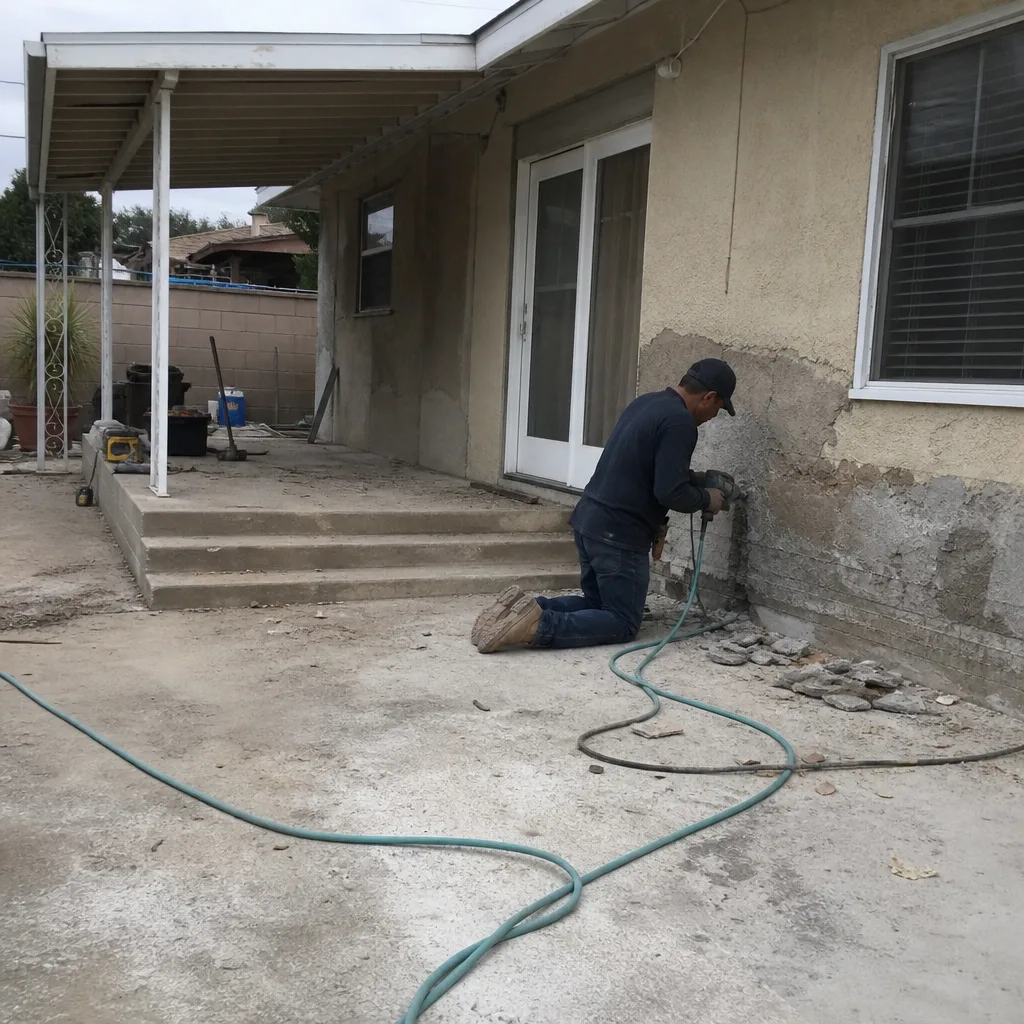 Before
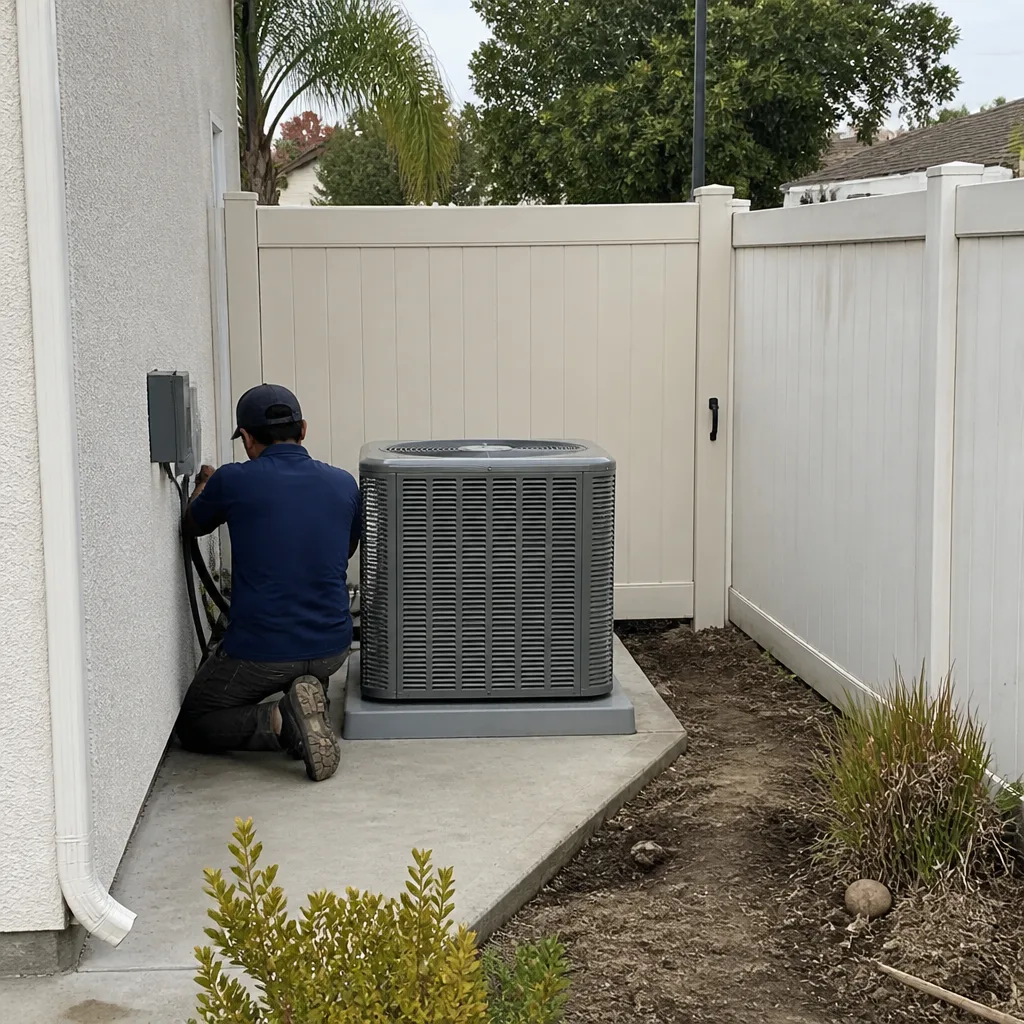 After
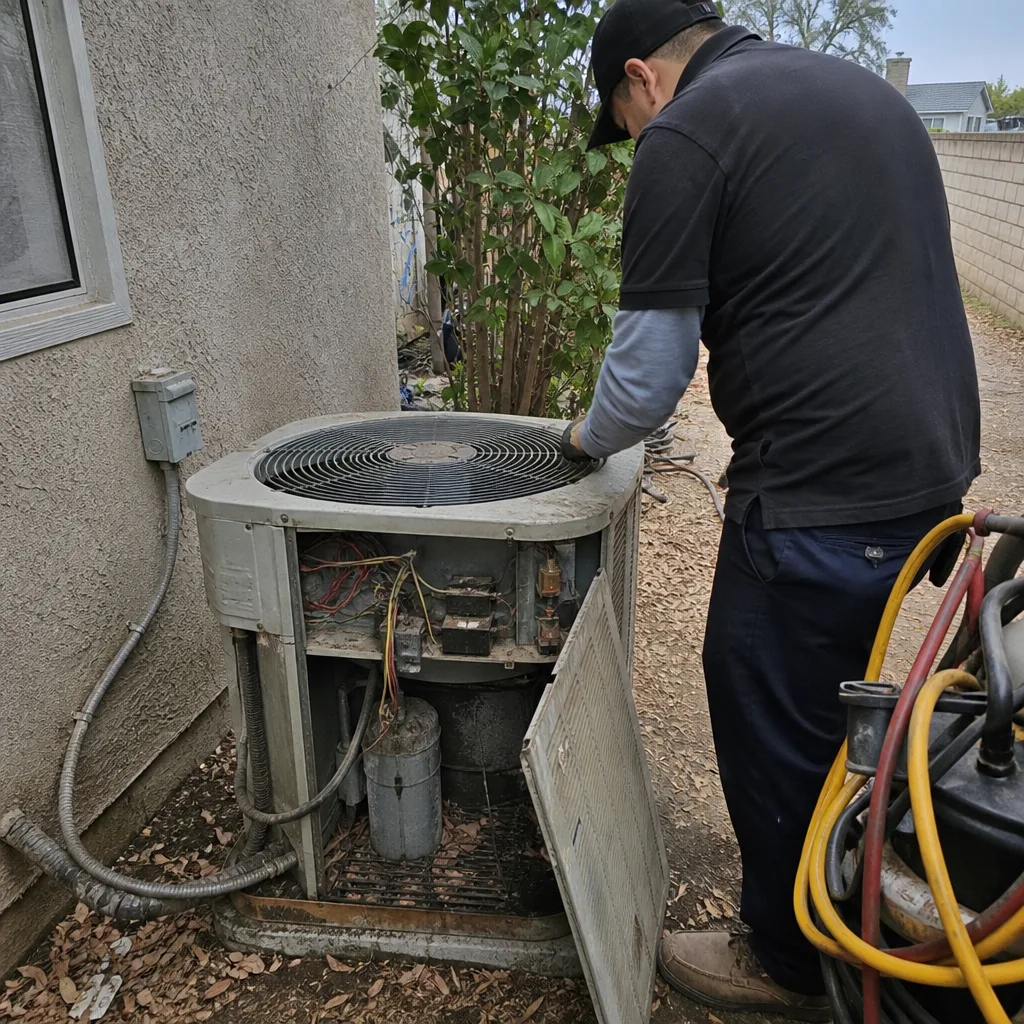 Before
 After
 Before
 After