
Last updated October 31, 2026
 Kitchen remodeling
 Bathroom remodeling
 Home additions & ADU
 Roofing
 Windows & doors
 Driveway & pavers
 Fence
Free written scope consultation - allowances, timeline, and change-order rules on paper before a single trade is scheduled
How to Hire a Construction Contractor in Orange: A Step-by-Step Guide
California has 44 contractor license classifications. Walk onto any job site in Orange and you’ll find maybe six of them in play on a typical remodel. The gap between those two numbers is where homeowners lose money. A roofer holding a C-39 license cannot legally reframe your load-bearing wall, but if you never check, you’ll never know until the inspector shows up and red-tags the work. This guide will walk you through exactly how to verify a contractor in Orange, read their bid for hidden risk transfer, check their insurance the right way, and interview the people who actually swing the hammers. For the complete general contractor guide for Orange homeowners, keep reading. By the end, you’ll know more about hiring a contractor than most of the contractors hoping you’ll sign.
Styles & brands we work with
Quick Answer
To hire a construction contractor in Orange, start by confirming the contractor’s CSLB license classification matches your project scope, then verify their insurance directly with the insurer, request a line-item proposal rather than a lump-sum bid, interview at least one of their subcontractors, and compare three written proposals before signing. The lowest bid is rarely the cheapest final invoice. General Contractor in Orange work requires a B-2 license or a combination of C-class licenses covering each trade.
Table of Contents
- Understanding CSLB License Classifications in Orange
- Reading a Bid vs. a Proposal: What Line Items Should Be There
- How to Verify Insurance Certificates Directly with the Insurer
- Red Flags Specific to Orange’s Contractor Market
- Why You Need to Interview the Subcontractor Roster
- What a Orange Construction Contract Must Contain
- Payment Schedules That Protect You
- Permits, Inspections, and Orange Code Compliance
- Common Mistakes to Avoid
- When to Call a Professional
- Frequently Asked Questions
- The Bottom Line
Understanding CSLB License Classifications in Orange
Every contractor working in Orange must hold a license issued by the California Contractors State License Board. The license number needs to appear on every contract, every bid, every business card, and every vehicle. But a valid license isn’t enough. You need to check the classification.
The CSLB issues four types of licenses. A Class A (General Engineering) license covers heavy civil work like bridges, highways, and large grading. A Class B (General Building) license covers framing, structural work, and projects involving two or more unrelated trades. A Class C license covers a specific trade: C-39 for roofing, C-36 for plumbing, C-10 for electrical, C-54 for tile, C-33 for painting and decorating. There are also Class D licenses for specialty categories that don’t fit elsewhere.
Here’s what this means for your project in Orange:
- Kitchen remodel with a wall removal: If the wall is load-bearing, you need a B-2 General Building contractor. A C-54 tiling contractor cannot touch that wall, even if they say they’ve done it before.
- Roof replacement: A C-39 roofing contractor is sufficient for a straightforward tear-off and re-roof. But if the roof decking is rotted and needs structural repair, that crosses into B-2 territory.
- ADU addition: An attached ADU with new foundation, framing, electrical, and plumbing requires a B-2 license. Some contractors in Orange advertise ADU services with only a C-6 cabinet and millwork license. That’s not legal.
- Bathroom remodel: If you’re moving drains or relocating the shower, a C-36 plumbing contractor handles that piece, but the overall remodel needs a general contractor with a B-2 license to coordinate and self-perform or sub out the remaining trades.
To check a license, go to the CSLB website, type in the license number or business name, and look at three things. First, the license status must read “Active.” Second, the classification must match your project scope. Third, check the workers’ compensation insurance field. If it says “exempt” and the contractor has employees, they’re misrepresenting their workforce to the state, and any injured worker on your property could file a claim against your homeowner’s insurance. In Orange, where remodels routinely run six figures, that’s a risk you cannot take.
We’ve seen homeowners in the Floral Park and Old Towne Orange historic districts sign contracts with C-class tradespeople for whole-home remodels, only to have the permit application rejected by the city because the licensed qualifier didn’t hold the right classification. The permit wasn’t the problem. The contractor was. Home Remodeling in Orange projects require the right license from day one.
Reading a Bid vs. a Proposal: What Line Items Should Be There
A bid is a number. A proposal is a document. If your contractor hands you a single page with a total at the bottom and a handshake, you don’t have enough information to sign anything.
Here’s what a real proposal should contain, line by line:
- Scope of work: Written in plain language, describing exactly what gets built, removed, or replaced. “Install new kitchen cabinets” is not a scope. “Remove 22 linear feet of existing base and wall cabinets, dispose of debris, install 22 linear feet of KraftMaid cabinetry per approved plan, including hardware and soft-close hinges” is a scope.
- Materials with brand and model numbers: If the proposal says “quality tile,” ask whose tile. If it says “premium countertops,” ask if it’s Cambria, Silestone, or Caesarstone. Brand names create accountability. Generic words create change orders.
- Allowances, if any: An allowance is a placeholder dollar amount for items not yet selected, like fixtures or tile. If the allowance is too low, you’ll pay the difference. If it’s not listed, ask what happens when you pick a $9 per square foot tile instead of a $3 tile.
- Exclusions: What is NOT included. Paint? Baseboards? Permit fees? Dumpster rental? If it’s not in the exclusions, the contractor owns it. If the exclusion list is empty, the proposal is incomplete.
- Payment schedule: Tied to milestones, not dates. More on this below.
- Timeline with milestones: Start date, demolition date, rough-in date, inspection dates, completion date. Vague timelines are the first sign of a contractor overbooked on another job in Anaheim or Fullerton.
- Change order process: How changes get priced, approved, and documented.
- Warranty terms: What’s covered, for how long, and who to call.
The vague language that signals cost shifting onto the homeowner comes in phrases like “as needed,” “to code,” “contractor to determine,” and “standard practice.” “As needed” means the contractor decides when it’s needed, at your expense. “To code” means the cheapest thing that passes inspection, which is usually not the thing you want. In our experience working across Orange, the proposals with the most complete material specifications produce the fewest surprises mid-project. See our buyer’s guide for choosing the right construction brand in Orange for more on why brand specificity matters. James Hardie siding specified by product line, not “fiber cement.” Schluter waterproofing specified by system name, not “shower pan membrane.” Real brands, real model numbers, real accountability.
One more thing: a proposal is a legal document. A bid is a starting point. If a contractor in Orange hands you a bid and asks for a deposit, walk away. If they hand you a proposal that’s 12 pages long and answers every question before you ask it, you’re talking to someone who has done this before.
How to Verify Insurance Certificates Directly with the Insurer
A PDF of a certificate of insurance is not proof of insurance. It’s proof that someone once had a PDF. Certificates get altered, expired, or issued for policies that were cancelled weeks ago. The contractor who hands you a certificate from a policy that lapsed last March is not insured, and you won’t find out until an accident happens on your property.
Here’s the verification process that takes fifteen minutes and protects you from six-figure liability:
- Request a certificate of insurance from the contractor. It should list general liability coverage of at least $1 million per occurrence and $2 million aggregate, plus workers’ compensation if the contractor has any employees.
- Look for the insurance agency’s name and phone number on the certificate. Not the insurance company. The agency. That’s the broker who issued the certificate.
- Call the agency. Say you’re a homeowner in Orange considering a contract with this contractor, and you want to verify the policy is active. Give them the policy number on the certificate.
- Ask for a certificate holder endorsement. This adds you as a certificate holder on the policy, which means the insurer notifies you if the policy cancels. Any contractor with real insurance will agree to this in a day. A contractor who hesitates is hiding something.
- Repeat the process for any subcontractor who will work on your property. The roofer’s insurance covers the roofer. The GC’s insurance covers the GC. If a sub isn’t covered, their accident becomes your claim.
In Orange, where homes range from beach-adjacent mid-century builds to hillside properties with complicated access, liability exposure is real. A dropped bundle of shingles from a two-story roof on a windy Santa Ana day can injure a neighbor. An uninsured roofer means your homeowner’s policy absorbs the claim, and your rates go up. Home Renovation in Orange work should never start without verified insurance on file for every crew that sets foot on your property.
One note on workers’ compensation: if a contractor tells you they don’t need workers’ comp because they’re “independent contractors” or “all subs,” ask to see the subcontractor agreements and each sub’s policy. In California, if a worker has no workers’ comp and gets injured on your job, they can sue you personally. You don’t want to learn this after the fact.
Red Flags Specific to Orange’s Contractor Market
Every market has its predators. Orange has a few specific patterns worth knowing before you start making calls.
Storm-chaser roofers after Santa Ana season. After the Santa Ana winds tear through Orange in the fall, out-of-town roofing crews appear. They knock on doors, offer “free roof inspections,” and find damage where none exists. They pressure homeowners to sign assignment-of-benefits contracts that give the contractor the right to negotiate directly with your insurer. Then the roofer inflates the claim, does substandard work, and leaves town. In Orange, legitimate roofing contractors don’t knock on doors after wind events. They have local phone numbers, local addresses, and local referrals. For seasonal construction care in Orange and year-round homeowner guidance, plan ahead before storm season hits. Ask any door-knocker for their CSLB license number and watch what happens. Most won’t have one. The ones who do have one will have a pattern of complaints you can read on the CSLB website.
Unlicensed ADU builders promising below-permit builds. The ADU gold rush has attracted a particular kind of operator to Orange. They advertise “affordable ADUs” and “no permit needed” backyard units. In California, every ADU requires a permit. The contractor who says otherwise is framing you for code violations, a stop-work order, and potentially an unpermitted structure that tanks your resale value. The “below-permit” pitch means they’ll build it without inspections, which means the electrical, plumbing, and structure were never verified by anyone but the person who may have wired it wrong. We work with prefab ADU partners like Mighty Buildings, Boxabl, and Plant Prefab, and even factory-built units require on-site permits, foundations, electrical connections, and inspections. Anyone claiming otherwise is lying.
Deposit-heavy contracts with no milestone structure. In a hot market, some Orange contractors ask for 50% or more upfront. California law caps the down payment on home improvement contracts at the lesser of $1,000 or 10% of the contract. But contractors get around this by calling the first payment something else, or by writing the contract as “cost plus” and billing the first draw immediately. If a contractor asks for more than 10% before doing any work, that’s a red flag. The money should follow the work, not precede it.
The “we ran into unexpected conditions” escalation. This is one we see in older Orange homes constantly, particularly in the historic districts where electrical panels are antiquated, foundations are settling, and pipes are galvanized. The contractor bids low, starts work, discovers “unexpected conditions,” and sends a change order to every week. Some of these discoveries are legitimate. A house built in 1948 will often hide surprises. But the contractor who has been remodeling Orange homes for a decade knows what to expect. The “unexpected” is often just poor estimating, and the homeowner pays for it. Ask your contractor during the interview: “What do you typically find in homes built in this era, and how do you handle it in the estimate?” A good contractor accounts for known-unknowns in the proposal. A bad one waits for change orders.
Why You Need to Interview the Subcontractor Roster
The contractor who shows up for the estimate is not the same person who shows up to tile your backsplash. On most projects, a general contractor in Orange runs the job but subcontracts specific trades: electrical, plumbing, roofing, drywall, paint, tile, and countertop fabrication. The quality of your project is determined by these subs more than by the GC’s sales pitch.
So ask the question most homeowners never think to ask: “Who are the subcontractors you’ll use on my project, and may I speak with one of them?”
The answer tells you everything. A confident general contractor hands you the list. An insecure one hesitates, mumbles something about “my team,” or says the subs haven’t been chosen yet. Every one of those responses is an answer.
When you call a sub, ask three questions:
- “How long have you worked with this GC?” Short relationships mean the GC is still learning who does good work. Long relationships mean the GC’s standards are established and the subs know the expectations.
- “Does the GC pay on time?” A GC who pays slowly loses good subs. The subs who remain are the ones who can’t get work elsewhere.
- “What happens when you find a problem on the job that wasn’t in the plans?” This reveals whether the GC handles issues collaboratively or dumps liability on the sub, which ultimately means the sub cuts corners to protect their margin.
In Orange, the best subcontractors work for a handful of general contractors consistently. The electrician who has worked with the same GC on 40 kitchens in Orange knows the city’s inspectors, knows the local code amendments, and knows what “rough-in complete” means to the building department. That institutional knowledge protects you. A general contractor who uses different subs on every job never builds that knowledge base, and the result is missed inspections, rework, and scheduling chaos.
This is why the general contractor model matters. A coordinator simply schedules subs and forwards change orders. A true GC owns the schedule, the quality bar, and the relationship. From blueprint to backyard, one contractor, every phase. Your project deserves a general contractor, not a coordinator.
What a Orange Construction Contract Must Contain
California has some of the strictest home improvement contract laws in the country, and they exist because contractors in Orange and elsewhere have historically found ways to leave homeowners holding the bag. Here’s what your contract must contain to be enforceable and protective:
- The contractor’s CSLB license number in the same font size as the rest of the contract text. Not tiny print at the bottom. California law requires it to be conspicuous.
- A detailed description of the work matching the proposal. If the proposal says “KraftMaid cabinets, Model KMA-482, soft-close,” the contract says the same.
- The total contract price or a clear cost-plus formula with a guaranteed maximum.
- The payment schedule with dollar amounts tied to specific milestones. Not percentages, not “when we start.” Milestones like “upon completion of rough framing inspection” or “upon delivery of cabinetry to site.”
- The start date and estimated completion date. An “estimated” completion date is normal. An absent one is not.
- A change order clause stating that all changes must be in writing and signed by both parties before work proceeds. No verbal change orders.
- A notice of cancellation clause explaining your three-day right to cancel (or five-day right for seniors over 65). This is required by law.
- The contractor’s workers’ compensation and general liability insurance information with policy numbers.
- A mechanics lien warning in the language required by California law, explaining what happens if the contractor isn’t paid and how liens work.
- Warranty terms describing what’s covered, how long, and the process for a warranty claim.
Contracts in Orange that lack any of these provisions are not contracts you should sign. A handshake deal in Floral Park or Orange Park Acres is not a legally protectable contract for a $150,000 remodel. It’s a verbal dispute waiting to happen.
One more point on the contract: in California, a home improvement contract for work over $500 must be in writing. A contractor who wants to do a “$3,000 cash deal, no paperwork” is violating state law, and you’ll have zero recourse when the work fails. The contract exists to protect both of you. Insist on it.
Payment Schedules That Protect You
The payment schedule is where homeowners in Orange lose the most money, because money paid ahead of work is money you can’t recover if the work stops. Here’s the structure that protects both parties:
- Initial deposit: In California, a home improvement contractor can legally request a down payment of up to $1,000 or 10% of the contract value, whichever is less, before work begins. Any request above that is a red flag.
- Second payment: After demolition is complete and the site is clean. Demolition is where surprises surface, so a milestone here gives both parties a natural pause point to reassess conditions.
- Third payment: After rough-in work (framing, electrical, plumbing, HVAC) passes city inspection. In Orange, inspections are performed by the city’s Building Division, and a passed inspection is objective proof the work meets code.
- Fourth payment: After drywall, paint, and flooring are installed. This is the “visible progress” milestone.
- Fifth payment: After cabinetry, countertops, and fixtures are set. This is where the big-ticket items land, and the payment should match that cost.
- Final payment: After final inspection passes, the punch list is complete, and you’ve received lien releases from every subcontractor and material supplier.
The last point matters more than most homeowners realize. In California, subcontractors and suppliers who don’t get paid can file a mechanics lien against your property, even if you’ve already paid the general contractor in full. Lien releases are signed documents from every sub and supplier stating they’ve been paid and waive their lien rights. Your final payment should be withheld until you hold a lien release from every party. A general contractor who refuses to provide lien releases is either disorganized or undercapitalized. Neither is your problem to solve.
If a contractor in Orange proposes a payment schedule that’s front-loaded, where 40% of the money is due before any work starts, that’s the schedule of a contractor who needs your money to finish someone else’s job. We’ve seen homeowners lose deposits to that exact scenario. Money follows work. Every time.
Permits, Inspections, and Orange Code Compliance
Every structural remodel, electrical change, plumbing alteration, roof replacement, ADU addition, and hardscape project in Orange requires a permit. The contractor who says “we don’t need a permit for this” is either wrong or lying, and both are disqualifying.
The City of Orange requires permits for work that affects structural integrity, life safety systems, and utility connections. A kitchen remodel where you’re moving walls needs a permit. A bathroom remodel where you’re moving the shower drain needs a permit. A roof replacement needs a permit. A new retaining wall over three feet tall needs a permit. A prefab ADU from Boxabl or Plant Prefab needs a full building permit, a foundation inspection, an electrical inspection, and a final certificate of occupancy.
Who pulls the permit? This is one of the most important questions to ask your contractor. In Orange, the responsible answer is: the contractor pulls the permit in their name, with you as the property owner. Here’s why that matters. When the contractor pulls the permit, the contractor is responsible for the work passing inspection. The city holds the contractor accountable. If you pull the permit as the homeowner, you become the general contractor in the eyes of the city, and code violations, failed inspections, and rework become your liability. A contractor who asks you to pull the permit is transferring responsibility to you.
Inspections happen at set milestones: rough framing, rough electrical, rough plumbing, insulation, and final. Each inspection requires the work to be left accessible and not covered by drywall, stucco, or finishes. A contractor who covers work before inspection is guaranteeing a tear-out later. In Orange, inspectors are thorough and they remember the contractors who try to hide poor work. You want a contractor who has a good relationship with the local inspectors, not one who dreads the inspection phone call.
Iron Beam Contractors home page outlines our full general contracting scope, including how we manage permits and inspections on Orange projects. The permit process is not a burden to avoid. It’s the verification system that protects your investment.
Common Mistakes to Avoid
- Hiring the first contractor who answers the phone. In Orange’s busy market, good contractors are booked out. The one with immediate availability often has immediate availability for a reason. Interview at least three.
- Comparing bids by total price alone. A $45,000 kitchen bid and a $72,000 kitchen bid are rarely for the same kitchen. The difference is usually in the material specifications, the scope details, and the contractor’s overhead. Compare line items, not totals.
- Accepting an insurance certificate without verification. As covered above, certificates are not proof. Call the agency. It takes fifteen minutes.
- Paying too much upfront. California law cap is $1,000 or 10%, whichever is less. Anything above that before work begins is a red flag and often illegal.
- Signing a contract without reading the exclusions. The exclusions list is where the contractor tells you what you’re NOT getting. If you don’t read it, you’ll discover the excluded items as change orders.
- Pulling the permit yourself. As the permit holder, you assume liability for the build. The contractor should hold the permit.
- Ignoring the subcontractor question. The GC’s sales pitch does not frame your walls or wire your switches. The subs do. Interview one.
When to Call a Professional
Any project that touches structure, electrical, plumbing, waterproofing, or roofing should be handled by a licensed professional. Not because a homeowner can’t learn to do it, but because Orange’s building code, inspection process, and liability landscape are designed around professional execution. The homeowner who DIYs a shower pan and gets the Schluter waterproofing wrong will pay three times the original project cost to tear it out and redo it after the leak appears. The homeowner who rents a dumpster and starts removing walls without an engineer’s sign-off risks structural compromise that no inspector will pass and no buyer will purchase.
If your project involves any of the following, call a professional: load-bearing wall removal, electrical panel replacement, any plumbing beyond a fixture swap, roof replacement, foundation work, ADU construction, or hardscape retaining walls. Iron Beam Contractors offers free estimates in Orange. Call (833) 756-5936 and we’ll walk the project with you before you spend a dollar.
Frequently Asked Questions
You can check a contractor’s license status, classification, and complaint history on the California Contractors State License Board website by entering the license number, business name, or owner name. Look for an “Active” status and a classification that matches your specific project scope. Verify insurance separately by calling the insurer directly and confirming the policy is active.
General contractor pricing in Orange typically ranges from 10% to 20% of the total project cost for the GC’s fee, plus the cost of labor, materials, and subcontractor work. A kitchen remodel in Orange generally runs from $35,000 to $110,000 depending on scope, materials, and whether walls move. A bathroom remodel typically lands between $18,000 and $55,000. For an exact quote on your project, call (833) 756-5936, estimates are free.
A general contractor is the right choice for any project involving multiple trades or structural work, because the GC owns the schedule, coordinates inspections, manages the material deliveries, and holds single-point accountability for the result. Hiring individual subcontractors means you become the coordinator, the permit holder, and the person responsible when the tiler and the electrician disagree about who cuts what.
A Class B (General Building) license allows a contractor to work on projects involving two or more unrelated trades, including structural framing. A Class C license is limited to a specific trade, like C-39 roofing or C-36 plumbing. In Orange, a whole-home remodel or an attached ADU requires a B-2 license. A C-license contractor cannot legally manage the full scope.
A standard kitchen remodel in Orange runs 6 to 10 weeks, a bathroom remodel 4 to 6 weeks, and a whole-home renovation 4 to 8 months depending on scope and permit timeline. Prefab ADUs from partners like Boxabl or Plant Prefab can move faster once the foundation and utilities are in, but site work, inspections, and utility connections still run 8 to 16 weeks in Orange’s permit cycle.
The price changes only if the scope changes. A contractor who bid accurately on a complete proposal with real material specifications should not need change orders for normal conditions. “Unexpected conditions” in older Orange homes are sometimes real, but an experienced contractor has seen the galvanized pipes, the undersized electrical panels, and the settling foundations before, and accounts for known-unknowns in the original estimate. Change orders should be documented, signed, and priced before work proceeds, every time.
The Bottom Line
Hiring a contractor in Orange is a process, not an event. The homeowners who get the best results check the license classification against the project scope, verify insurance directly with the insurer, read proposals line by line, interview a subcontractor, and withhold final payment until lien releases are in hand. The homeowners who get burned skip these steps, sign the lowest bid, and discover the cost of shortcuts mid-project. Built on real brands, real standards. One contractor, every phase. That’s the credential set you want in Orange, and it’s worth the fifteen minutes it takes to verify before you sign.
Written by the team at Iron Beam Contractors, serving Orange since 2018.
See the difference
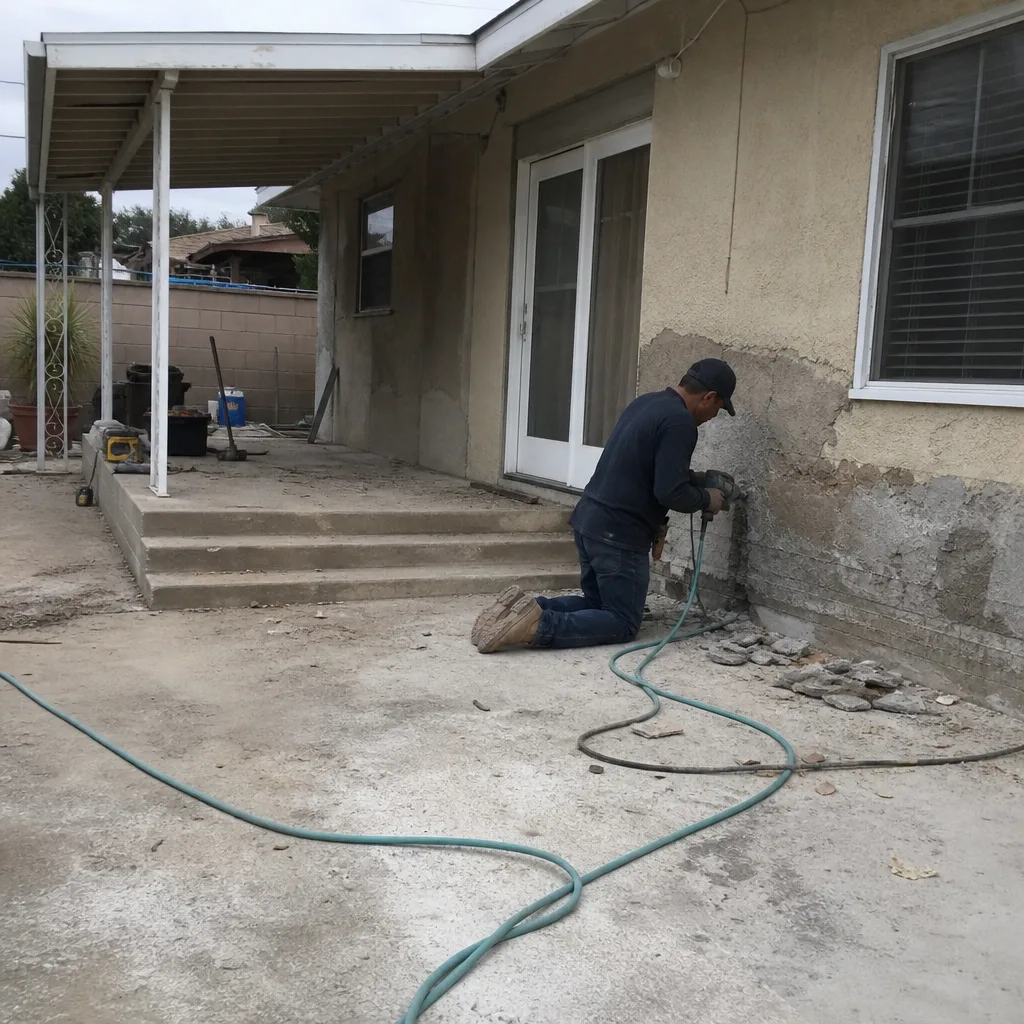 Before
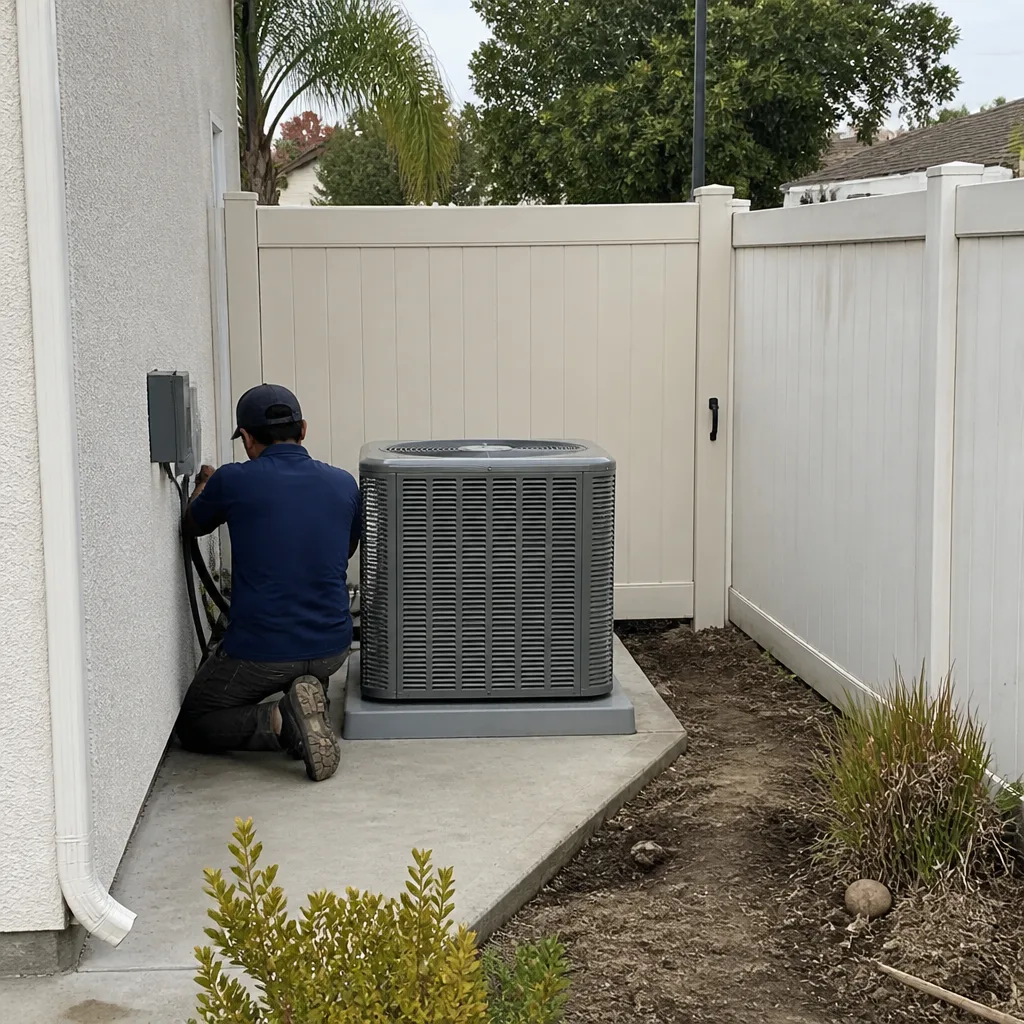 After
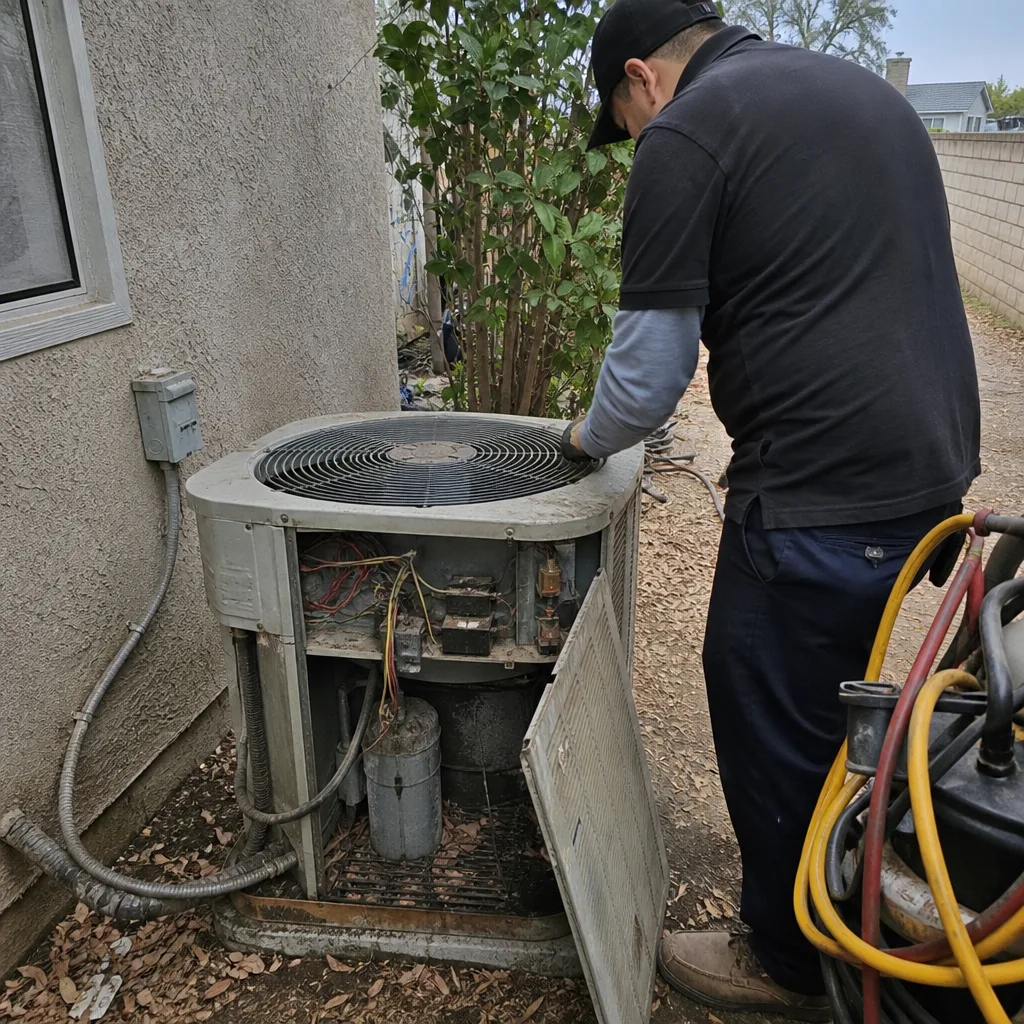 Before
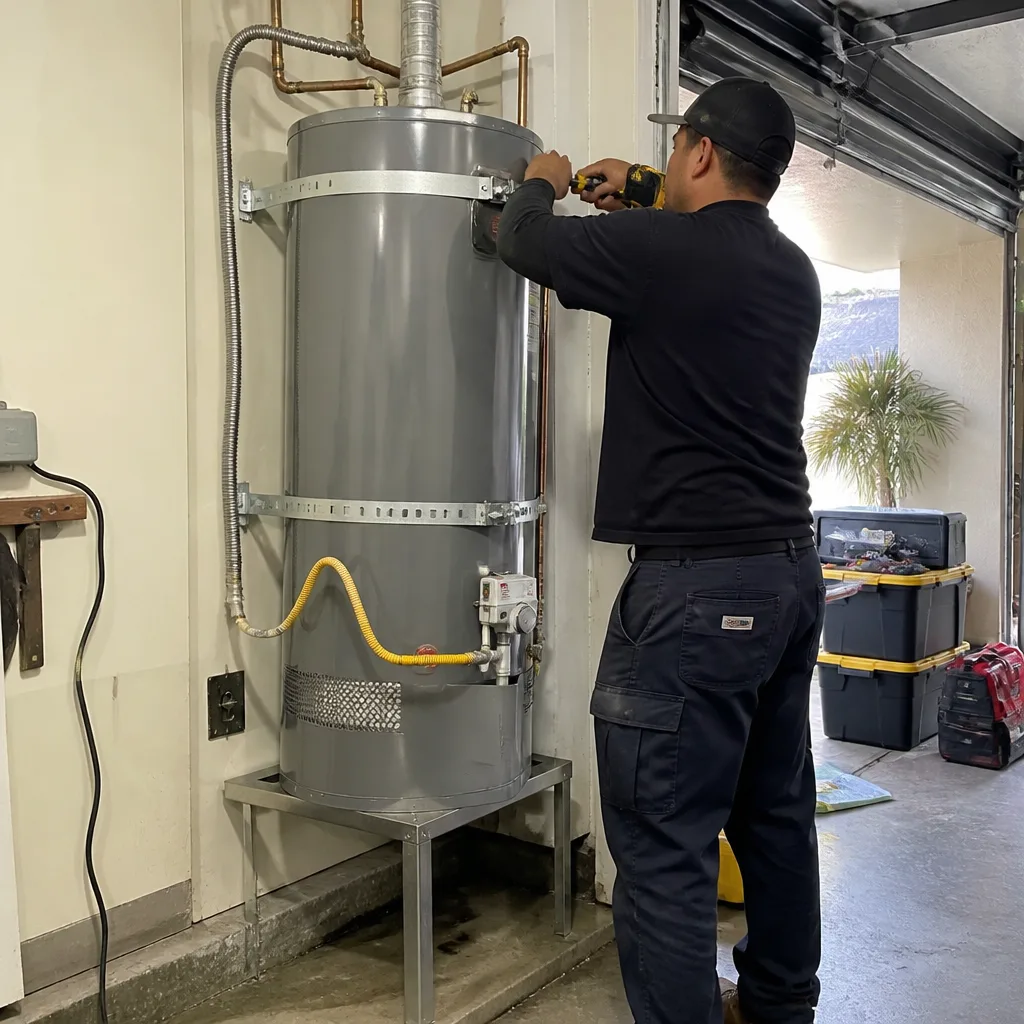 After
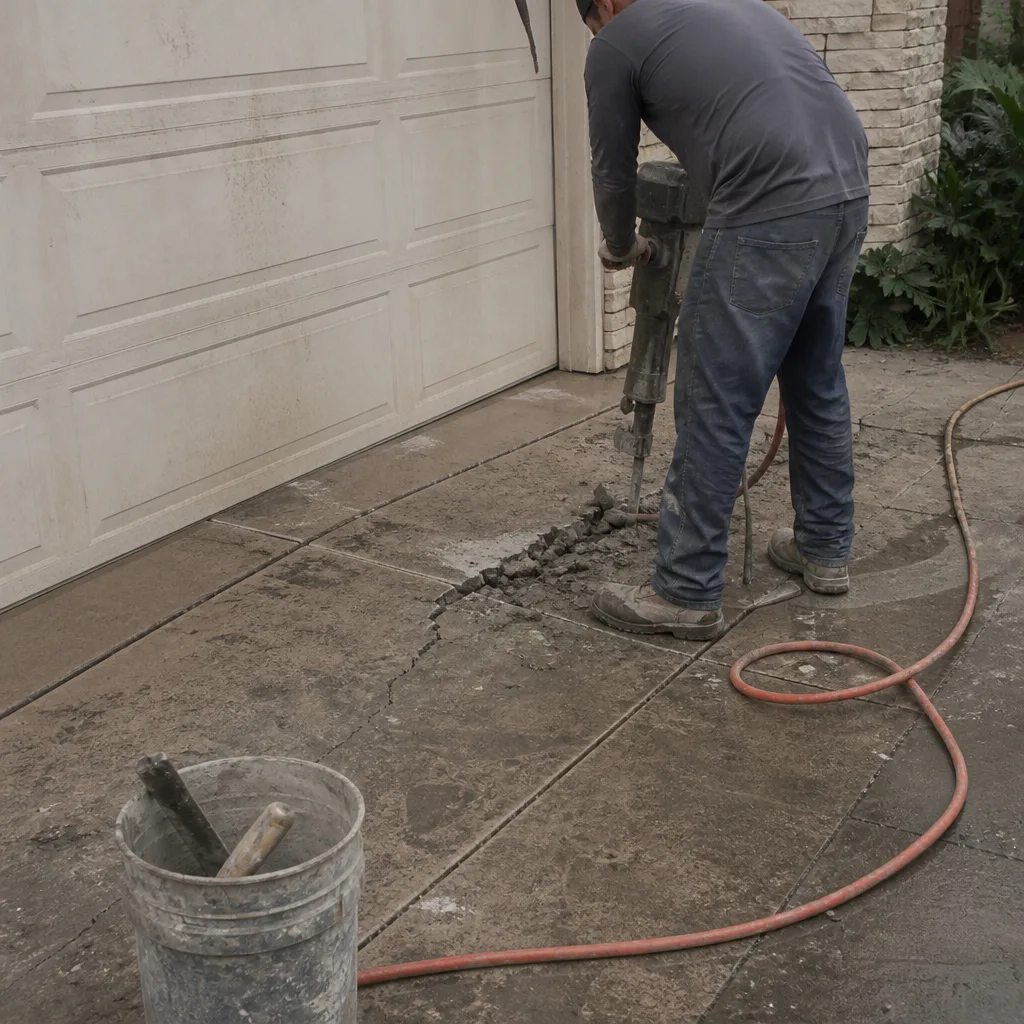 Before
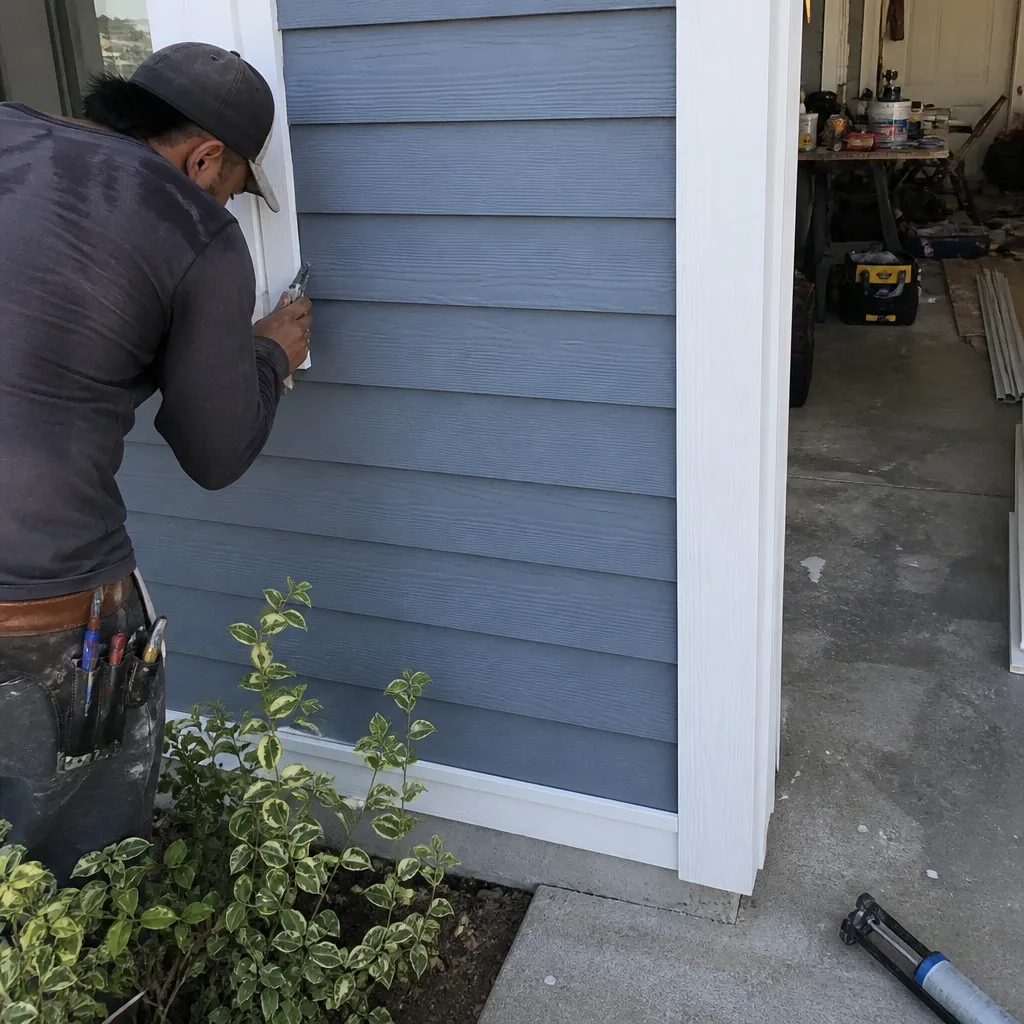 After