
Last updated October 31, 2026
 Home additions & ADU
 Kitchen remodeling
 Bathroom remodeling
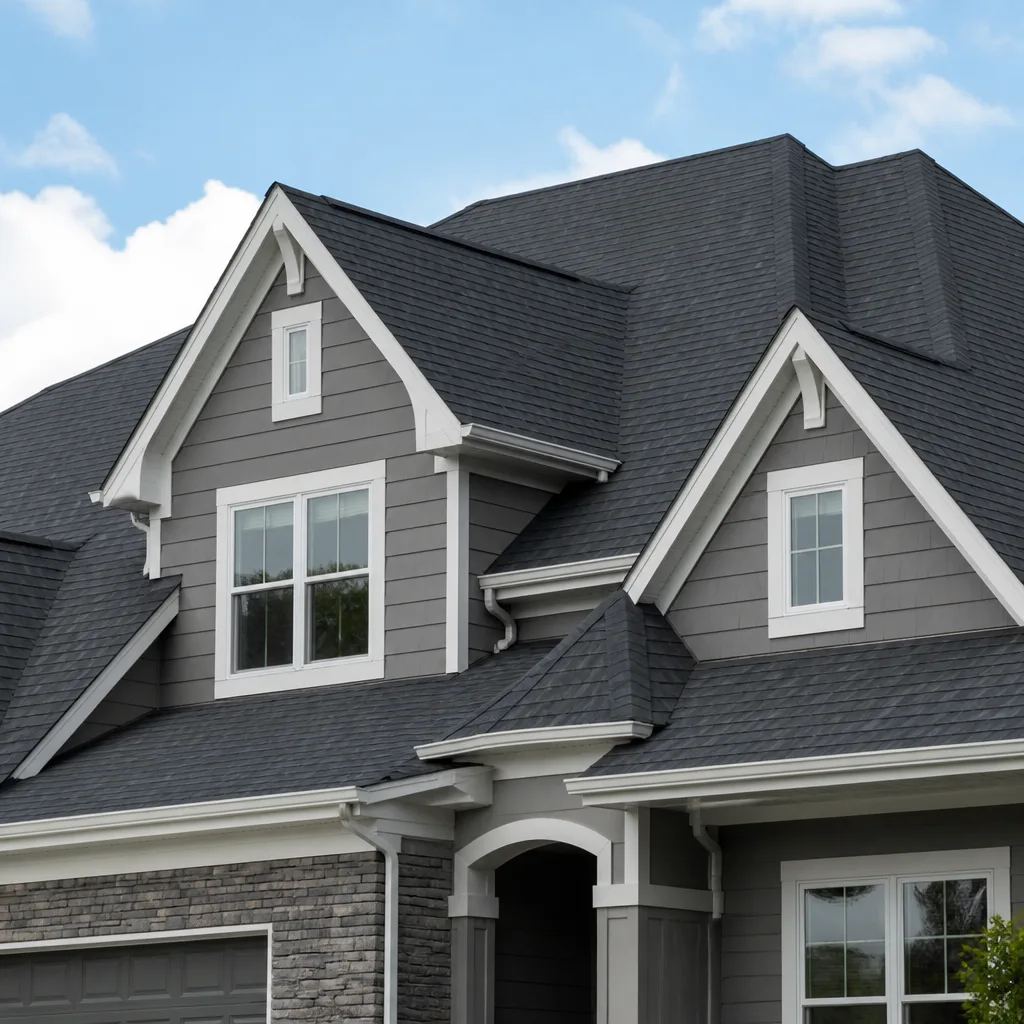 Roofing
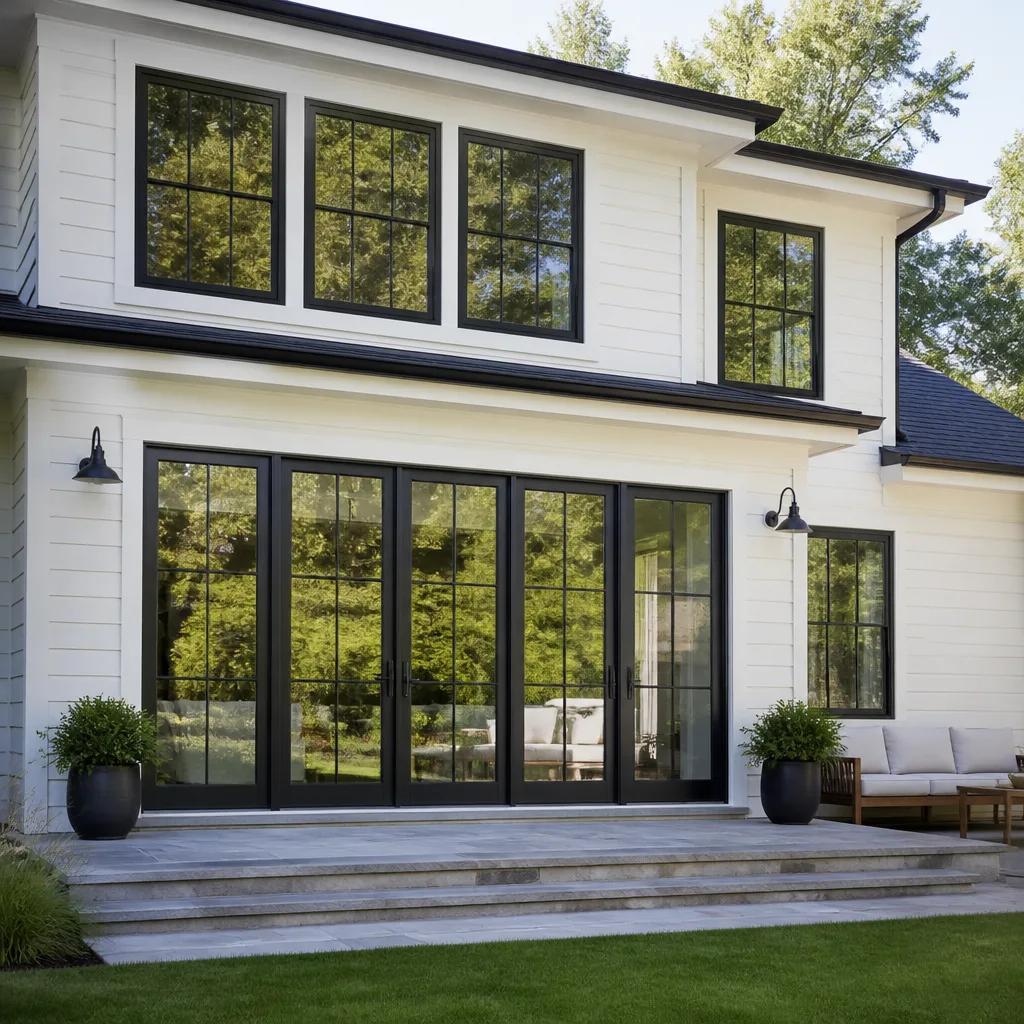 Windows & doors
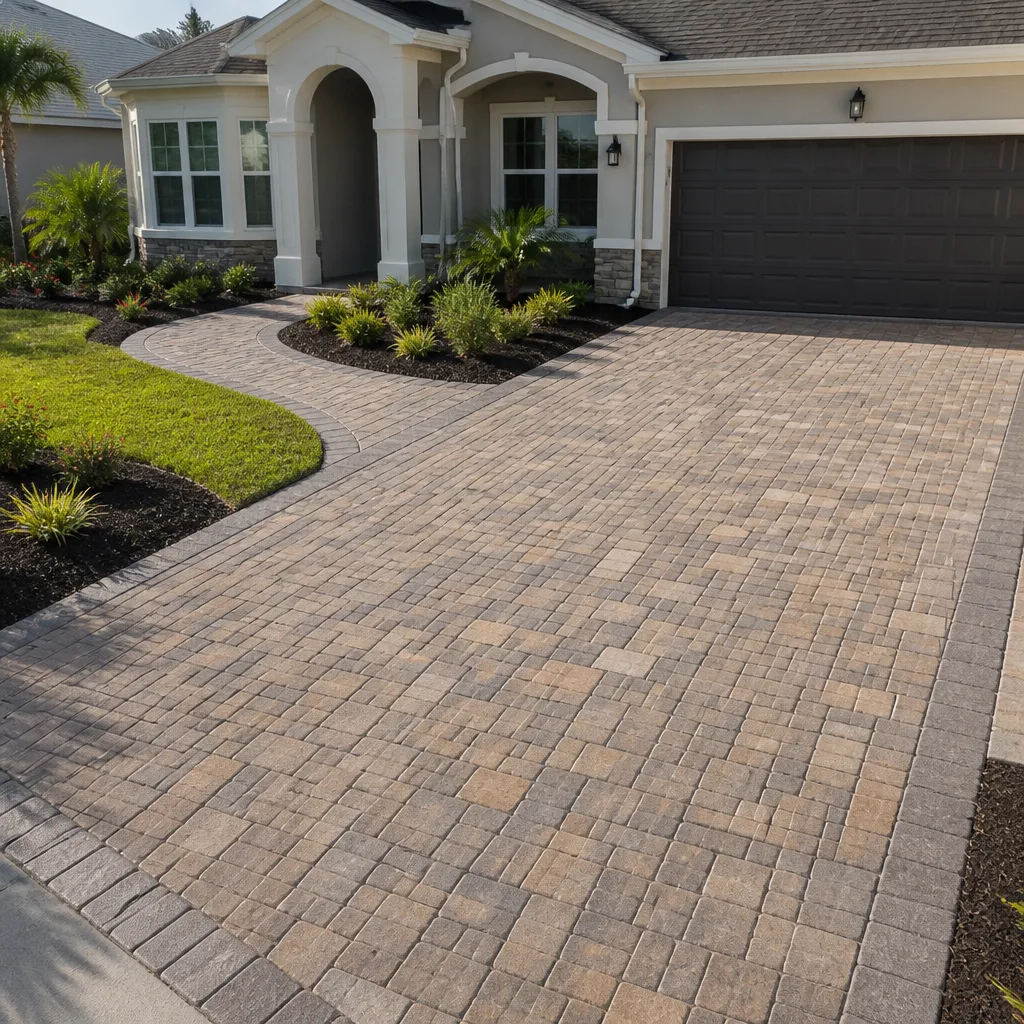 Driveway & pavers
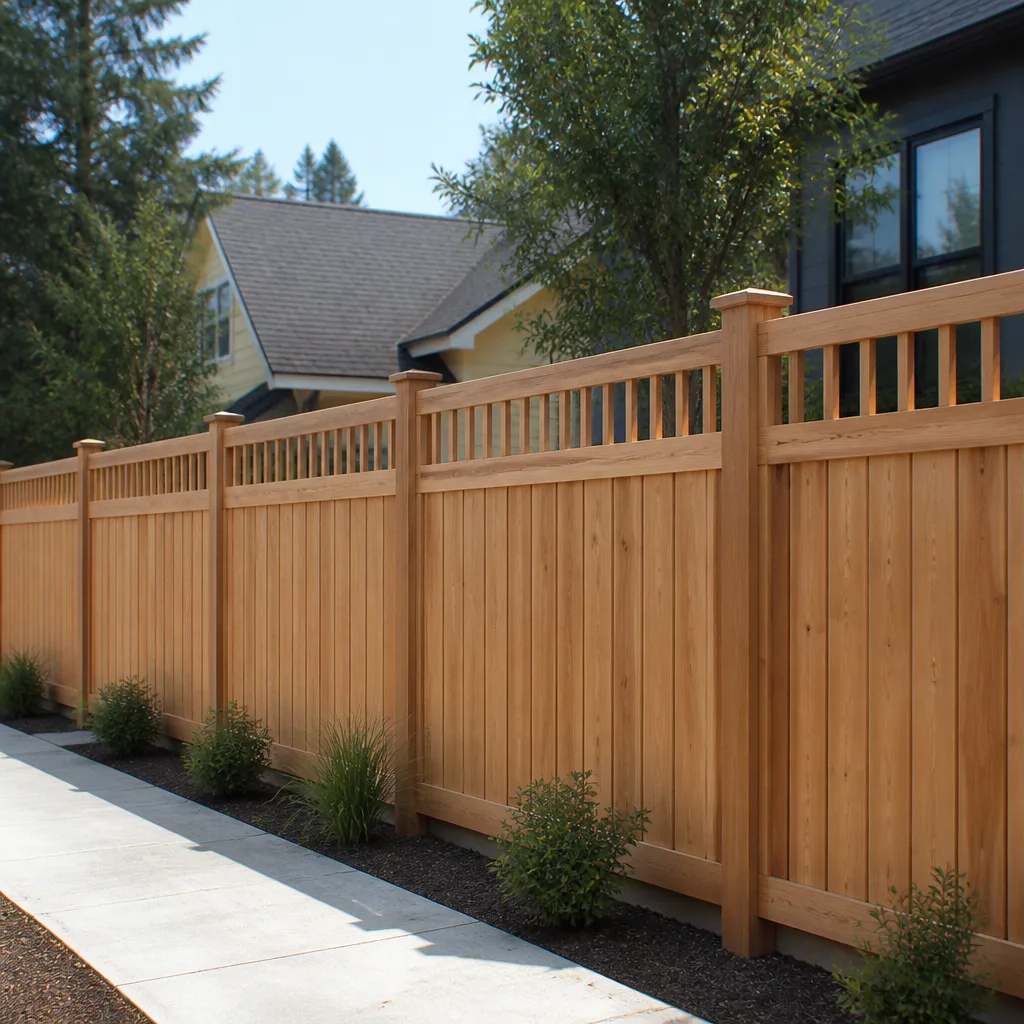 Fence
Free written scope consultation - allowances, timeline, and change-order rules on paper before a single trade is scheduled
Seasonal Construction Care for Orange: Year-Round Homeowner’s Guide
Most seasonal maintenance advice written for Orange, CA gets it wrong because it’s copied from guides built for Chicago or Boston. We don’t have a freeze-thaw cycle that heaves foundations. We don’t have ice dams. What we do have is a October-to-November window where 60 mph Santa Ana gusts hit sealants and roofing adhesives that just spent four months baking at 95 degrees. The result: failures happen on the windiest possible day, not the rainiest one. This guide breaks the Orange calendar into four maintenance windows based on what actually happens to homes here, month by month, so you can sequence inspections, repairs, and major projects in the right order.
Quick Answer
Seasonal construction care in Orange, CA should be organized around four windows: October-November for Santa Ana wind prep and roof fastener checks, December-February for drainage testing before rare but intense rain events, March-May for exterior painting and sealant work before UV intensity peaks, and June-September for attic ventilation and roof surface monitoring during sustained heat. Doing the right work in the wrong window is the most common and costliest mistake we see across Orange.
Styles & brands we work with
Table of Contents
- October-November: Santa Ana Wind Prep (The Window Most People Miss)
- December-February: Rare Rain, Real Drainage Problems
- March-May: The Exterior Repair Window Before UV Peaks
- June-September: Heat, Attics, and Roof Surface Stress
- How to Sequence Projects Across the Year in Orange
- Signs You’re About to Spend More Than You Need To
- Common Mistakes to Avoid
- When to Call a Professional
- Frequently Asked Questions
October-November: Santa Ana Wind Prep (The Window Most People Miss)
In Orange, the first Santa Ana event usually arrives in October, and it finds your home at its most vulnerable. The summer heat has had four months to bake caulk, roofing cement, and window glazing. Sealants lose elasticity. Adhesives dry out. Flashing that was pliable in June is brittle by October. When the winds hit, they don’t just blow against your house, they pressurize it. Wind-driven sand and debris find every micro-gap that heat has opened.
What actually fails during Santa Ana events, in order of frequency based on what we see across Orange:
- Roof edge metal and ridge caps. The fasteners hold, but the sealant underneath has dried. Wind gets under the leading edge and peels entire sections.
- Vinyl and wood fencing. Post footings that were marginal in calm weather fail when a 50 mph gust hits a 6-foot panel like a sail.
- Window and door caulking. Not the glass, the perimeter seal. Gaps open and dust gets driven inside, which is how you end up with a fine layer of grit on interior sills after a wind event.
- Tile and shingle edges. Individual tabs lift, then tear. One missing tab becomes twenty in a single afternoon.
October is also the month to inspect anything attached to your home’s exterior: satellite dishes, light fixtures, gutter hangers, patio covers. Each attachment point is a sealant joint. Each one has been baking all summer. Walk the perimeter and look for cracking, peeling, or gaps around every penetration. If you can slip a putty knife into a caulk joint without resistance, the seal has failed. That’s the joint that’s going to open up in the first wind event.
What to Check Before the First Santa Ana
- Roof ridge caps and hips: look for lifted edges, cracked sealant, missing granules underneath.
- Gutter hangers and downspout straps: loose hardware becomes a projectile at 50 mph.
- Perimeter caulking around windows and doors: hairline cracks now become gaps after a few hours of wind loading.
- Fence posts: grab the top of each post and push. Movement at the base means the footing is failing.
- Patio cover attachment points: check the lag bolts and flashing where the cover meets the house.
The mistake is waiting until the National Weather Service issues a high wind warning. By then, every contractor in Orange is booked, and the only choice is emergency repair pricing. October is when you schedule this work proactively. For a more detailed look at how we approach exterior systems across a full project scope, see our General Contractor in Orange page.
December-February: Rare Rain, Real Drainage Problems
Orange gets maybe 13 to 14 inches of rain a year. Compare that to Seattle’s 37. The problem isn’t volume, it’s intensity and infrequency. When it does rain here, it often arrives as a few hours of heavy downpour after months of dry conditions. The soil is hard. The surfaces are dry. Nothing absorbs. Water sheets across hardscape, pools against foundations, and finds every low spot in your grade.
What we see during Orange’s rainy season are problems that built up slowly and failed suddenly:
- Downspouts dumping at the foundation line. The single most common drainage issue in Orange. Water exits the downspout, pools against the stem wall, and works its way through micro-cracks in the slab.
- Flatwork that’s settled away from the house. Patios and walkways should slope away at roughly 1/4 inch per foot. After years of soil settlement, many slope toward the house. Rain follows the grade.
- Stucco cracks at window and door corners. These start as hairline shrinkage cracks, widen with temperature swings, and then become water entry points during rain.
- Roof valleys and flashing points. Debris accumulates during fall, and the first real rain pushes it into valleys. Water backs up and finds its way under shingles.
December Drainage Checklist for Orange Homes
- Clear all roof valleys and gutters. Debris that sat there through November will cause backups in the first heavy rain.
- Extend downspouts at least 4 feet from the foundation. Flexible extensions are fine temporarily, but rigid pipe with a pop-up emitter is the long-term fix.
- Walk the perimeter during the first real rain. Bring an umbrella. Look for water pooling against the foundation, water sheeting off the roof in odd spots, and downspouts that overflow.
- Check interior walls for dampness at the base. Water wicking up through the slab shows up as bubbling paint or a musty smell before you see standing water.
One more thing about Orange specifically: our soil has a high clay content in many areas, which means it expands when wet. That expansion puts lateral pressure on foundation walls and can open new cracks in a single season. If you notice a crack that runs diagonally from a window corner, and it’s wider at the top than the bottom, mark it. Monitor it through the rainy season. If it grows or you can fit a quarter into it, call someone. Our Home Remodeling in Orange work often starts with exactly these drainage corrections before we touch finishes.
March-May: The Exterior Repair Window Before UV Peaks
If you only schedule one maintenance window per year, make it March through May. Here’s why: exterior paint, sealants, and deck coatings all need specific temperature and humidity conditions to cure properly. In Orange, March through May gives you daytime temperatures in the 65-80 degree range, low humidity, and no rain. More importantly, it lets materials cure before June, July, and August when UV index in Orange regularly hits 9-11.
UV is the silent destroyer in Southern California. It doesn’t announce itself like wind or rain. It just steadily breaks down the polymer bonds in paint, caulk, sealants, and wood fibers. A deck sealed in August is being asked to cure while the surface it’s protecting is already under attack. A deck sealed in April cures fully, then faces the summer from a position of strength.
What to do in this window:
- Exterior painting. Paint applied between 50-85 degrees with low humidity bonds better and lasts longer. In Orange, that’s March through May, and occasionally October.
- Deck and fence sealing. Oil-based sealers need dry conditions and moderate temperatures to penetrate. Spring is ideal in Orange.
- Stucco repair. Hairline cracks from winter rain should be routed, filled, and sealed before summer heat makes them worse.
- Window and door re-caulking. Strip the old, brittle stuff from the Santa Ana season, and reapply before UV exposure peaks.
- Roof inspection and minor repair. Go up after winter rains and check what actually happened. Replace cracked tiles, reseal flashing, and address any granule loss before summer heat bakes those exposed areas.
If you’re planning a larger project like Home Renovation in Orange, spring is also when materials costs are typically lowest. The summer rush hasn’t started, and manufacturers are running at full capacity. By June, lead times stretch and prices adjust for demand.
June-September: Heat, Attics, and Roof Surface Stress
Orange summers are not Phoenix-level hot, but they’re relentless in their own way. August averages high 80s, with regular spikes into the 90s. Your roof surface, though, is much hotter. A dark composition shingle roof in direct July sun runs 140-160 degrees. That’s the temperature your roofing materials, underlayment, and attic structure are experiencing, not the 88 degrees your weather app says.
Attic temperature is the number to watch. A well-ventilated attic in Orange should run no more than 15-20 degrees above ambient temperature. If your attic hits 130 degrees on an 85-degree day, your ventilation is underperforming. What happens then:
- Shingles age prematurely from the underside. Heat is trapped, and the mat backing degrades faster.
- Your air conditioner works harder. Hot attic air radiates into living space through the ceiling.
- Stored items in the attic get damaged. Cardboard boxes break down. Adhesives fail.
- Radiant barrier performance degrades if dust accumulates on the reflective surface.
Summer Attic Ventilation Baseline for Orange
Here’s the quick test: on an 85-degree afternoon, go into your attic with a thermometer. If it’s over 105 degrees, you have a ventilation problem. The fix is usually additional ventilation area, not just more insulation. Insulation slows heat transfer but doesn’t remove it. Ventilation removes it.
Common ventilation systems that work well in Orange’s climate:
- Ridge vents paired with continuous soffit vents. This is the ideal setup. Natural convection pulls air from low to high.
- Gable vents. Effective if sized correctly, but less efficient than ridge-and-soffit combination.
- Powered attic fans. These work but have electrical costs and thermostat failure modes. We typically specify them only when passive ventilation isn’t sufficient.
Roof surface checks in summer are also important. After the June heat settles in, check for:
- Curling shingle edges. This is heat damage, not just age. A 10-year-old roof can curl in Orange if ventilation is poor.
- Granule loss that’s exposing the fiberglass mat. Run your hand along the roof surface. If you come back with grit covering your palm, the shingles are degrading.
- Soft spots. Heat softens asphalt. Walk carefully and note any area that feels spongy.
This is also the season to take a hard look at whether your home’s insulation is adequate for a Southern California heat pattern. Attic insulation doesn’t just keep heat in during winter. It keeps heat out during summer. R-38 to R-49 is the current recommendation for Orange attics. If you can see the tops of your ceiling joists, you’re under-insulated.
How to Sequence Projects Across the Year in Orange
Here’s the thing about contractor availability in Orange: everyone calls in June and July. Homeowners decide to remodel over summer vacation, and suddenly every general contractor is booked through October. If you want better pricing and more attention on your project, run against the seasonal grain. Our Complete General Contractor Guide for Orange Homeowners explains how to vet and hire the right pro.
Best Times to Book Major Projects in Orange
- Roofing replacement: January-March or September-October. Roofers are actually busiest in summer because heat doesn’t stop them, but manufacturers often run off-season promotions in early spring. Mild spring weather also means shingles seal properly.
- Exterior painting: March-May. We covered this above, but booking in February gets you the best scheduling flexibility.
- Kitchen and bathroom remodels: November-January. Interior work is unaffected by weather, and most homeowners delay until after the holidays. Contractors in Orange are hungry for work in January, which means better negotiating positions and more focused crews.
- ADU and prefab installations: Fall. Prefab unit delivery involves cranes and site work that’s easier in dry, calm conditions. October-November is ideal in Orange. We work directly with manufacturers like Dvele and Mighty Buildings on these installations, and both have production schedules that align well with fall jobsite conditions.
- Hardscaping and outdoor living: November-February. This is hands-down the best value window in Orange. It doesn’t rain much, temperatures are mild for concrete work, and hardscape crews have capacity. Paver and concrete prices don’t spike like they do in spring.
The logic here is counterintuitive. Most homeowners think about projects when the weather makes the problem visible. A hot summer makes you think about attic ventilation. A wind event makes you think about roofing. But by then, you’re competing with every other homeowner in Orange who had the same thought at the same time. Planning projects for the opposite season gets you better pricing and better execution.
If you’re managing multiple projects, sequence them so exterior envelope work happens first. Roof, siding, windows, drainage. Then interior work. Then outdoor living. Fixing the exterior before gutting the interior protects the new finishes you’re about to install. We’ve seen too many Orange homeowners do a full kitchen remodel only to discover a leak during the next rain season that damages the new cabinets they just installed. For a deeper walkthrough, see our Complete Guide to Construction in Orange.
For homeowners considering a bigger structural addition or a prefab unit from manufacturers like Boxabl or Plant Prefab, fall scheduling matters even more. Site prep, foundation work, and crane access are all dramatically easier before winter rain and after summer heat. The manufacturers’ production queues also tend to have shorter lead times in late fall and early winter.
Signs You’re About to Spend More Than You Need To
Catching problems early is the difference between a $400 repair and a $12,000 replacement. Here’s what actually tips us off during inspections in Orange:
- Caulk that’s chalky to the touch. Run your finger along window caulking. If it leaves white powder on your skin, the sealant has started to break down. It’s still repairable now. In six months, it’ll be cracked and failing.
- Shingle granules in your gutters. A small amount is normal for new roofs. Consistent granule accumulation on a roof that’s 10+ years old means the shingles are in active degradation.
- Stucco cracks at 45-degree angles from window corners. These are stress cracks, not shrinkage cracks. They indicate movement, not just drying. They need to be sealed before water entry, but also monitored to understand what’s moving and why.
- Doors that stick only in certain seasons. In Orange, a door that sticks in winter but operates fine in summer is a moisture issue, not a hinge issue. The jamb is absorbing moisture and swelling. Find where the water’s coming from.
- Attic insulation that’s visibly settled. Blown-in insulation compacts over time. If your attic insulation is below the top of your ceiling joists in spots, it’s not doing its job.
Common Mistakes to Avoid
- Applying exterior sealant or paint in July or August. It cures poorly, looks fine for a few months, then fails early. In Orange, you’ll see flaking paint by the following spring if you paint during peak summer heat.
- Waiting for a rainstorm to test your drainage. By the time water is pooling against your foundation, the damage is already starting. Test drainage in October before the rainy season begins.
- Ignoring attic ventilation because “the AC works fine.” Your air conditioner is masking a problem that’s shortening your roof’s lifespan. Ventilation is a roof health issue, not just a comfort issue.
- Treating all stucco cracks the same. Hairline shrinkage cracks are cosmetic. Diagonal cracks from corners are structural signals. Sealing one doesn’t fix the other.
- Hiring different contractors for each season’s repairs without coordination. A roofer, a painter, and a drainage contractor each see one slice. Nobody sees how they connect. One accountable general contractor sees the whole system.
- Postponing fence and hardscape repairs until spring. In Orange, winter is actually the best time for hardscape work. You’ll get better pricing and better workmanship.
- Assuming Santa Ana winds happen only in fall. They peak October-December, but significant wind events can occur any time between September and February. Prep should start in September.
When to Call a Professional
Some maintenance tasks are genuinely DIY-friendly: cleaning gutters, extending downspouts, monitoring caulk joints. Others are not. Roof repairs where you’re actually walking the roof surface should be left to someone with proper safety equipment and training. The same goes for any work involving ladders above one story, or anything that requires understanding how building components interact. If you’re seeing multiple issues across different systems, a roof leak that’s also a stucco crack that’s also a grading problem, that’s when you need someone who sees the whole picture. At Iron Beam Contractors, we start every inspection by looking at how the systems connect, not just the symptom. We offer free estimates in Orange, call (833) 756-5936 to schedule yours. And if you want a broader view of what a full-scope contractor can handle, start at our Iron Beam Contractors home page.
Frequently Asked Questions
The optimal window for exterior painting in Orange is March through May, when temperatures stay between 65-80 degrees and humidity is low. Paint applied during this period cures fully before summer UV levels peak, which extends the coating’s life. Fall (October) is the second-best option, but spring gives you cleaner longer-lasting results. Call (833) 756-5936 to schedule a free estimate for your exterior painting project.
Inspect your roof twice a year in Orange: once in October before Santa Ana season, and once in March after winter rains. The October inspection catches wind-related vulnerabilities like loose ridge caps and dried sealant, while the March inspection catches any water damage from winter storms. After major wind events above 40 mph, do a visual check for lifted shingles even if it’s not inspection season.
Santa Ana winds in October and November are the biggest seasonal threat to Orange homes, because they arrive when summer heat has already compromised sealants, adhesives, and roofing materials. Wind-driven damage during these events typically exceeds rain-related damage in a typical year. The protection strategy is pre-wind inspection and sealing, not post-wind repair.
Freeze damage is rare in Orange, but not zero. A few nights each winter can dip near freezing, and exposed pipes, irrigation systems, and exterior fixtures can be affected. The bigger winter concern in Orange is drainage and water management, not cold. Focus your attention there instead of on pipe insulation. If you do have exposed plumbing on a north-facing wall, cheap foam insulation is adequate.
Fall is the best season to build an ADU in Orange. Site prep and foundation work are easier in dry, mild conditions, and crane access for prefab units from manufacturers like Dvele, Mighty Buildings, Boxabl, and Plant Prefab is typically more reliable outside of late summer heat. Fall scheduling also aligns with shorter manufacturer lead times compared to the spring rush. Not sure which manufacturer to trust? Read Choosing the Right Construction Brand: A Buyer’s Guide for Orange.
For a typical single-family home in Orange, budget $1,500-$3,500 annually for seasonal maintenance that includes gutter cleaning, caulking touch-ups, drainage checks, and minor repairs. Homes with older roofs, wood siding, or extensive hardscaping will run higher. The cost of proactive maintenance runs about 10-15% of what major repairs cost when seasonal issues go unaddressed. For a detailed estimate on your specific home, call (833) 756-5936 for a free assessment.
The Bottom Line
Orange doesn’t punish neglect the way a Midwest winter does, but it punishes it differently. The damage here is slow and cumulative: UV breaking down polymers, wind exploiting micro-gaps, rain exposing grading flaws, and heat accelerating material aging. The fix is not more effort. It’s better timing. Do wind prep in October. Test drainage in December. Repair exteriors in March. Monitor heat performance in July. Sequence big projects for off-season windows. That’s the difference between owning a home in Orange that holds up year after year, and one that needs a five-figure rescue every third summer. Every home has a seasonal rhythm. In Orange, it’s four distinct beats. For more guides & resources, visit our blog.
Written by the team at Iron Beam Contractors, serving Orange since 2018.
See the difference
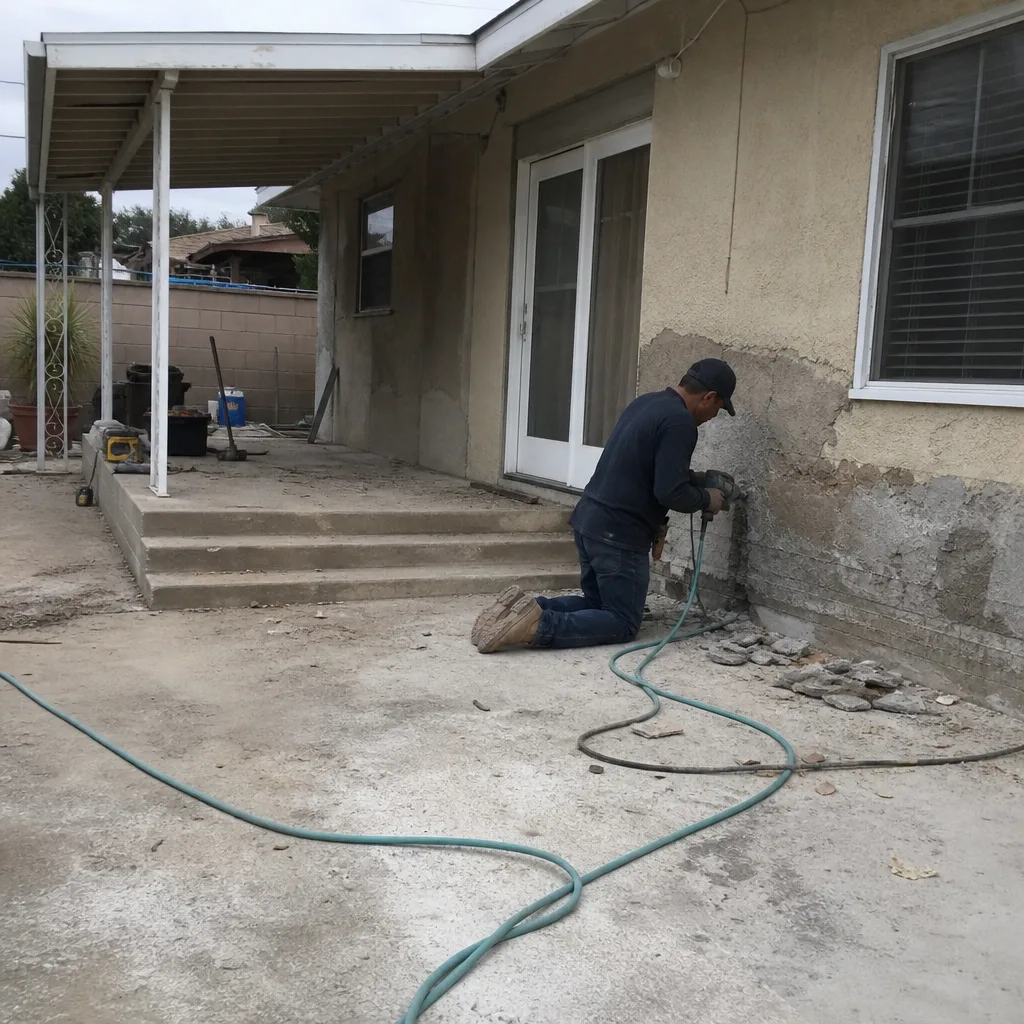 Before
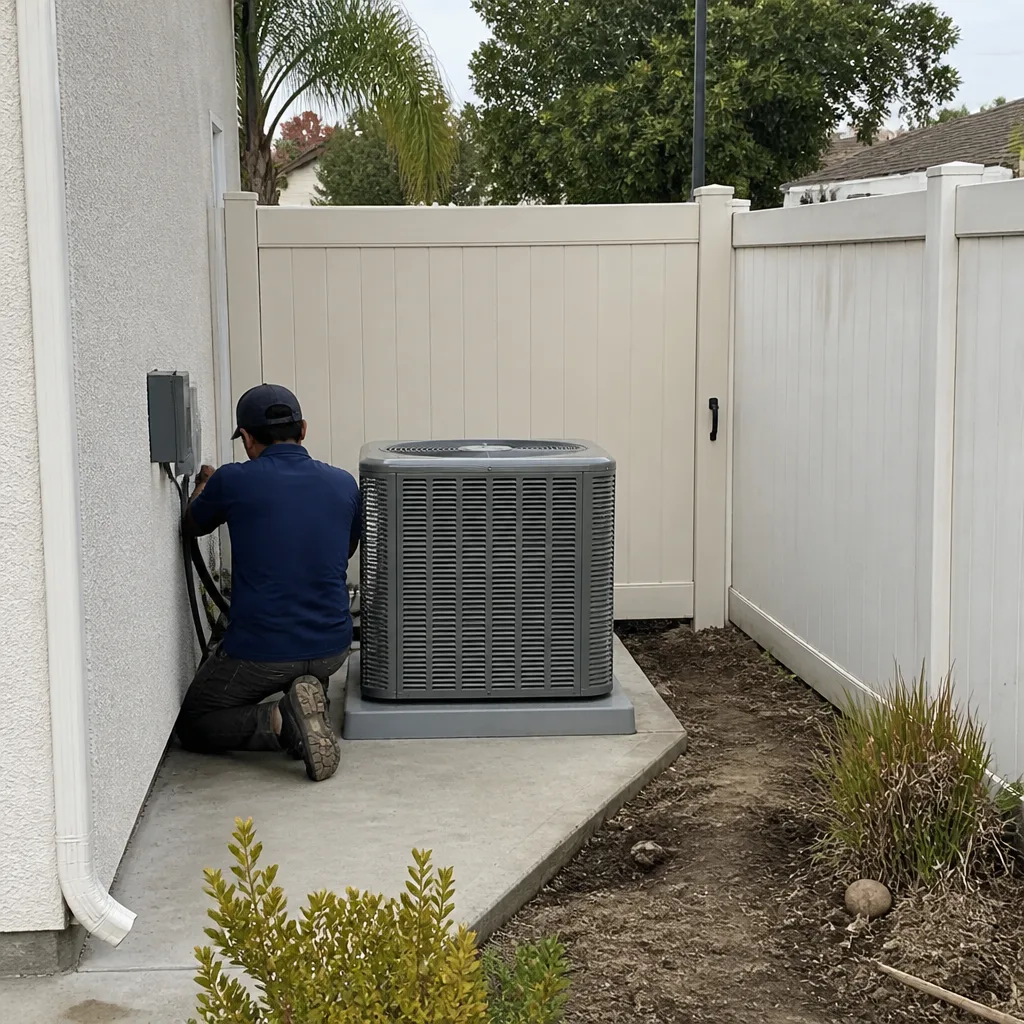 After
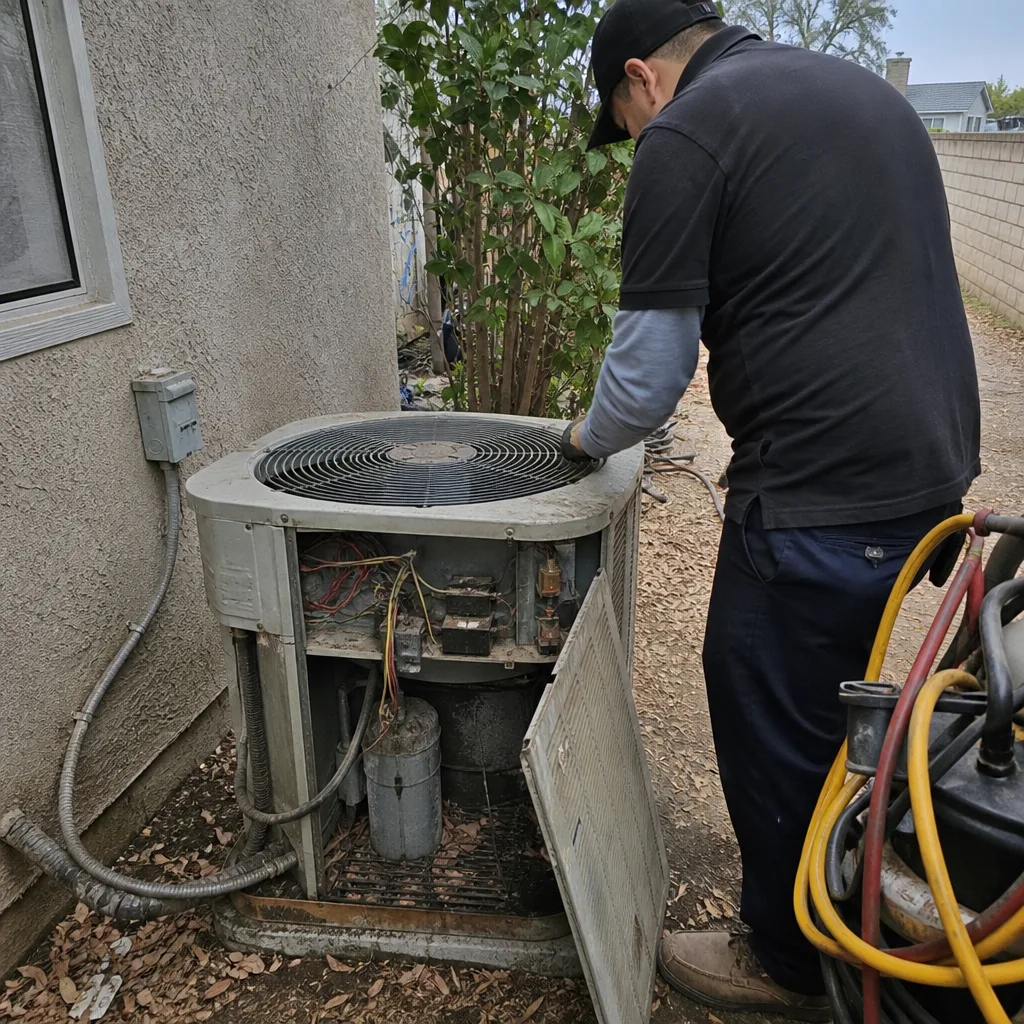 Before
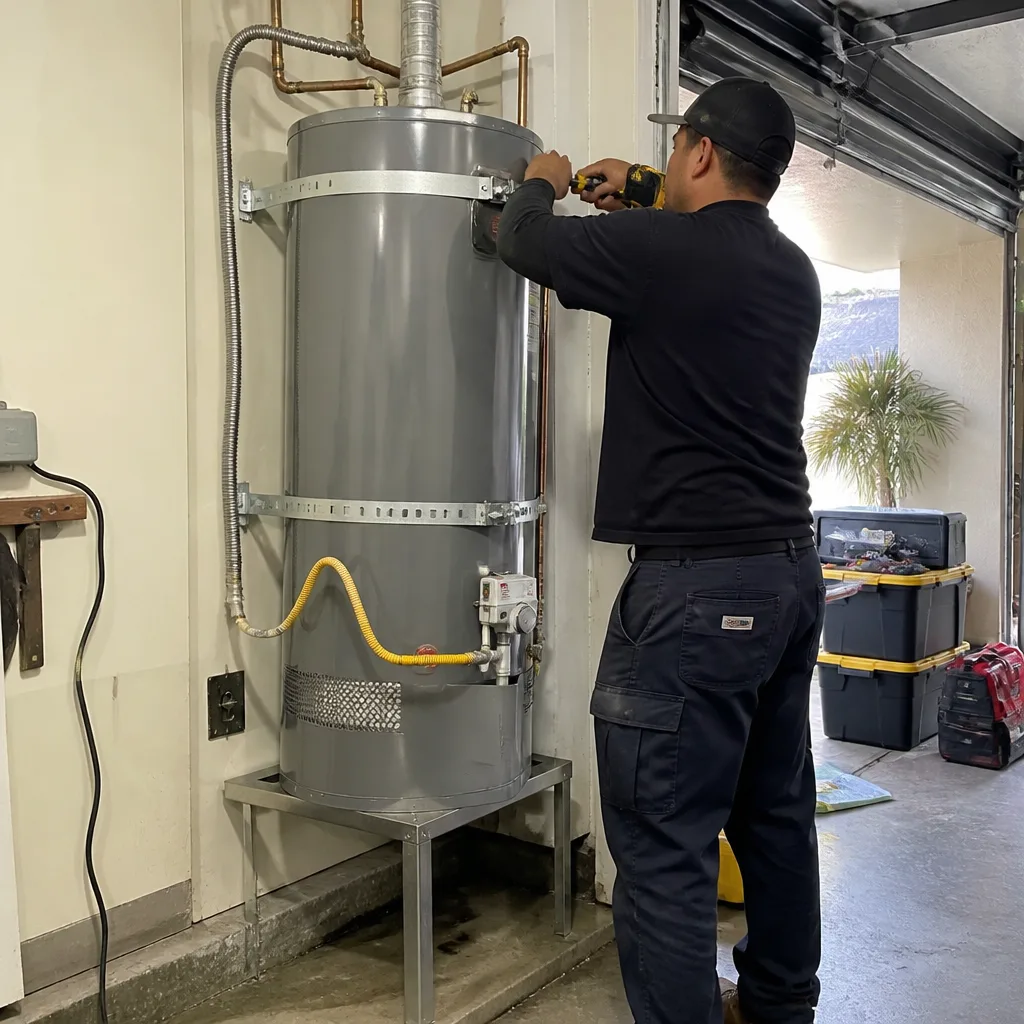 After
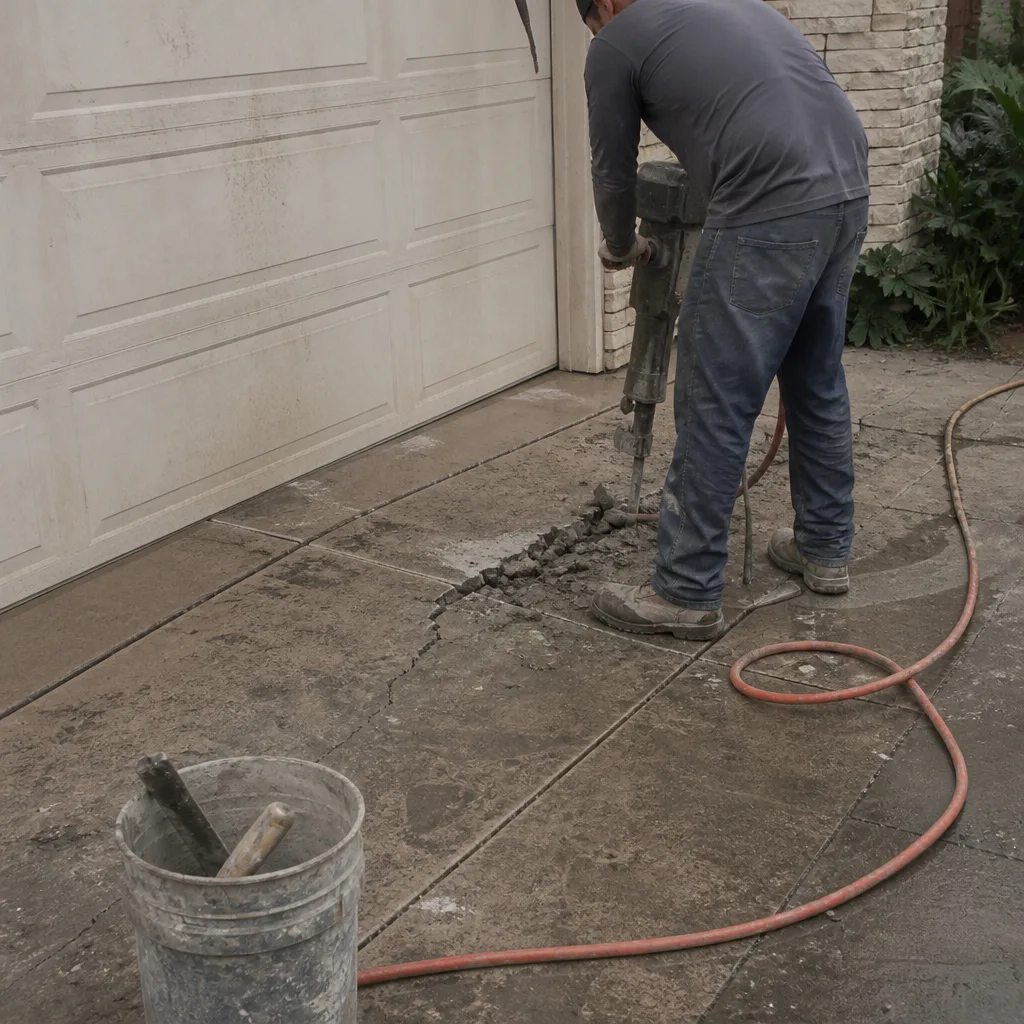 Before
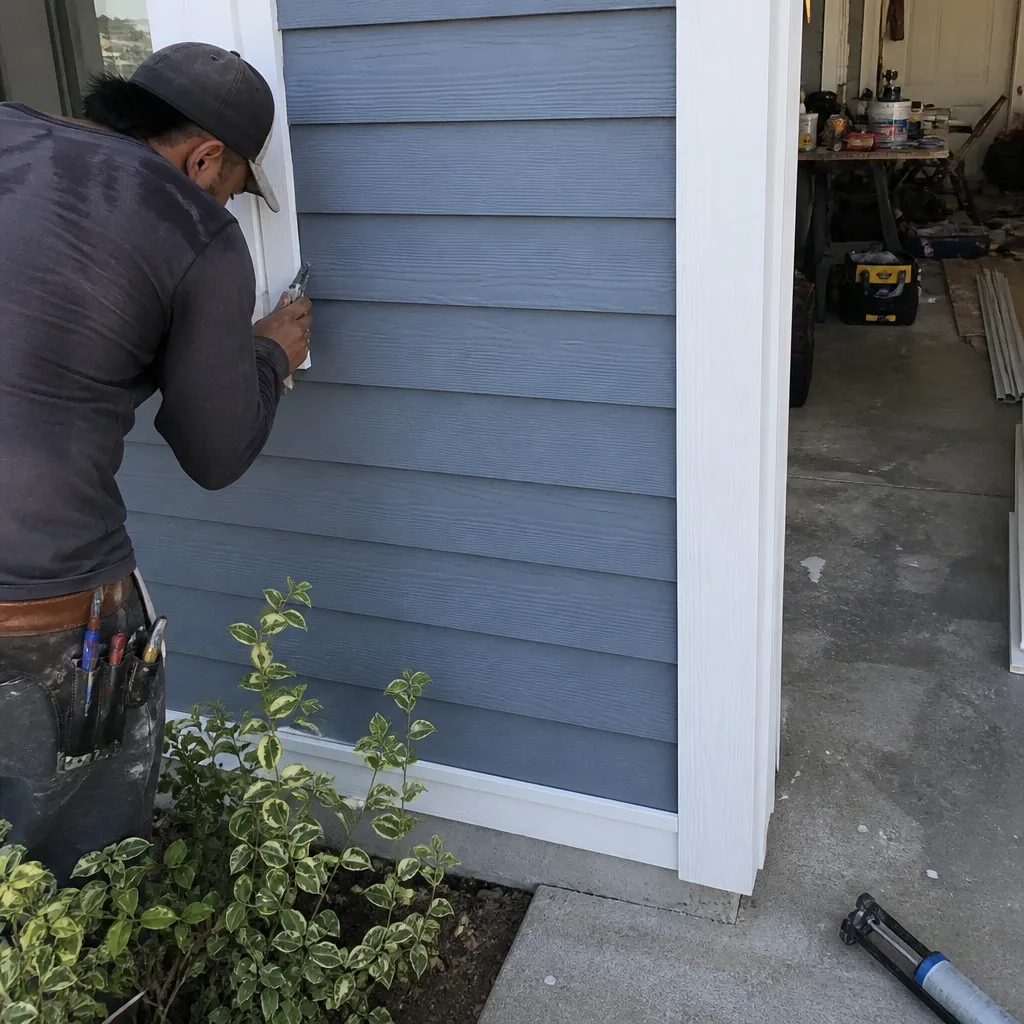 After