
Last updated October 31, 2026
 Home additions & ADU
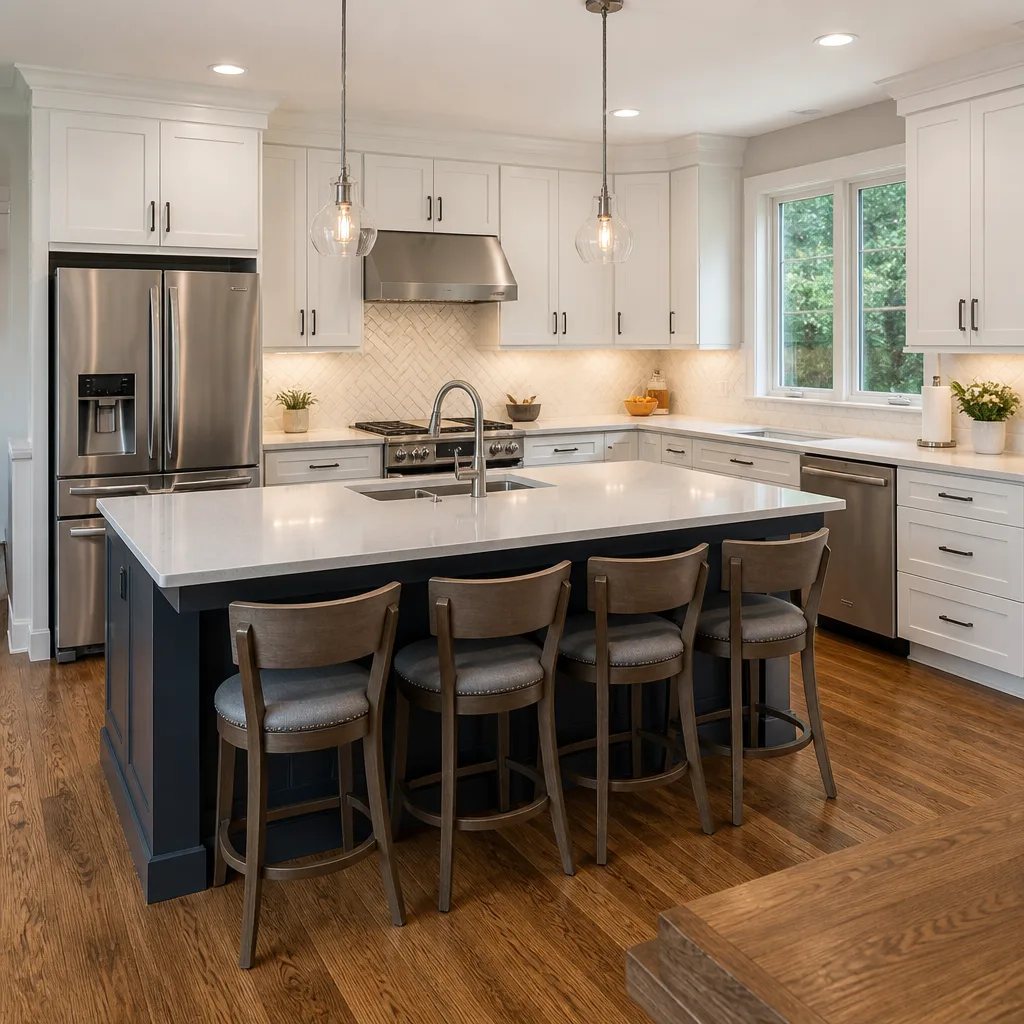 Kitchen remodeling
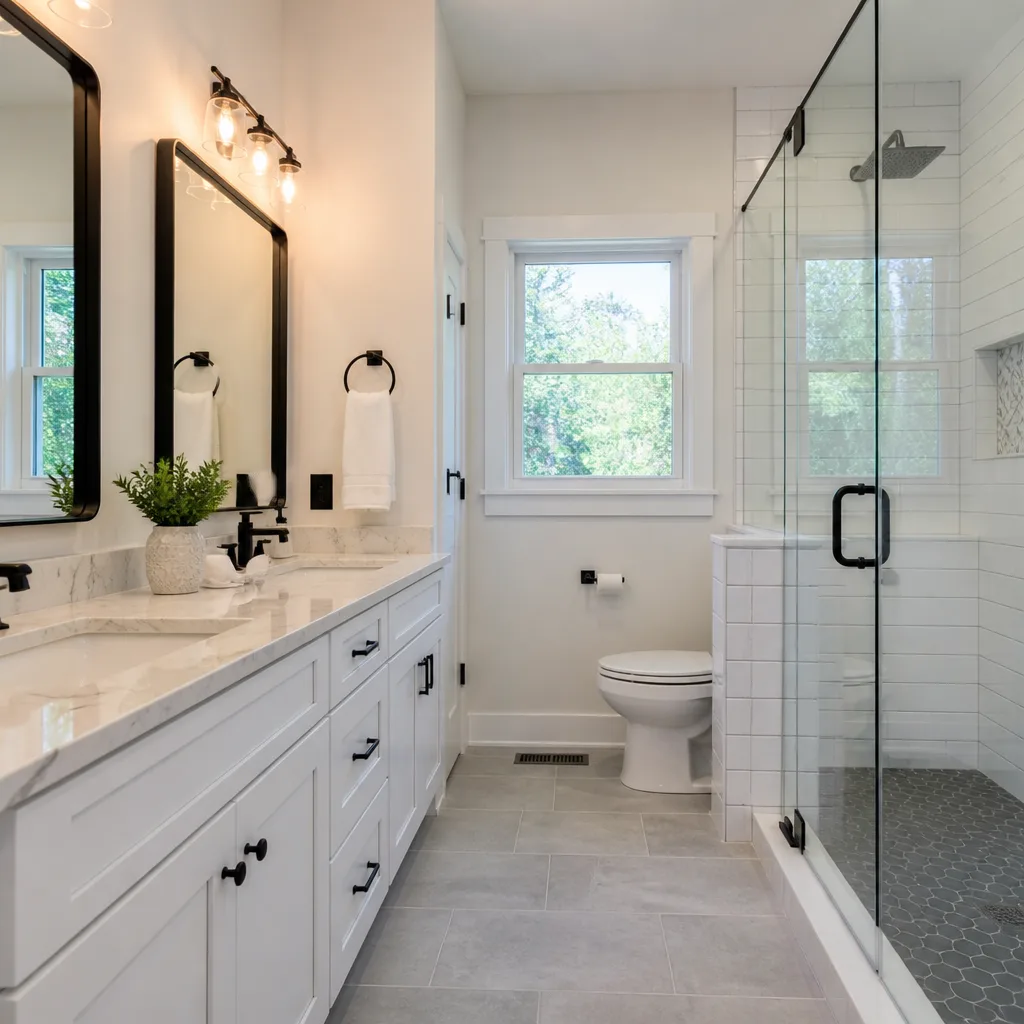 Bathroom remodeling
 Roofing
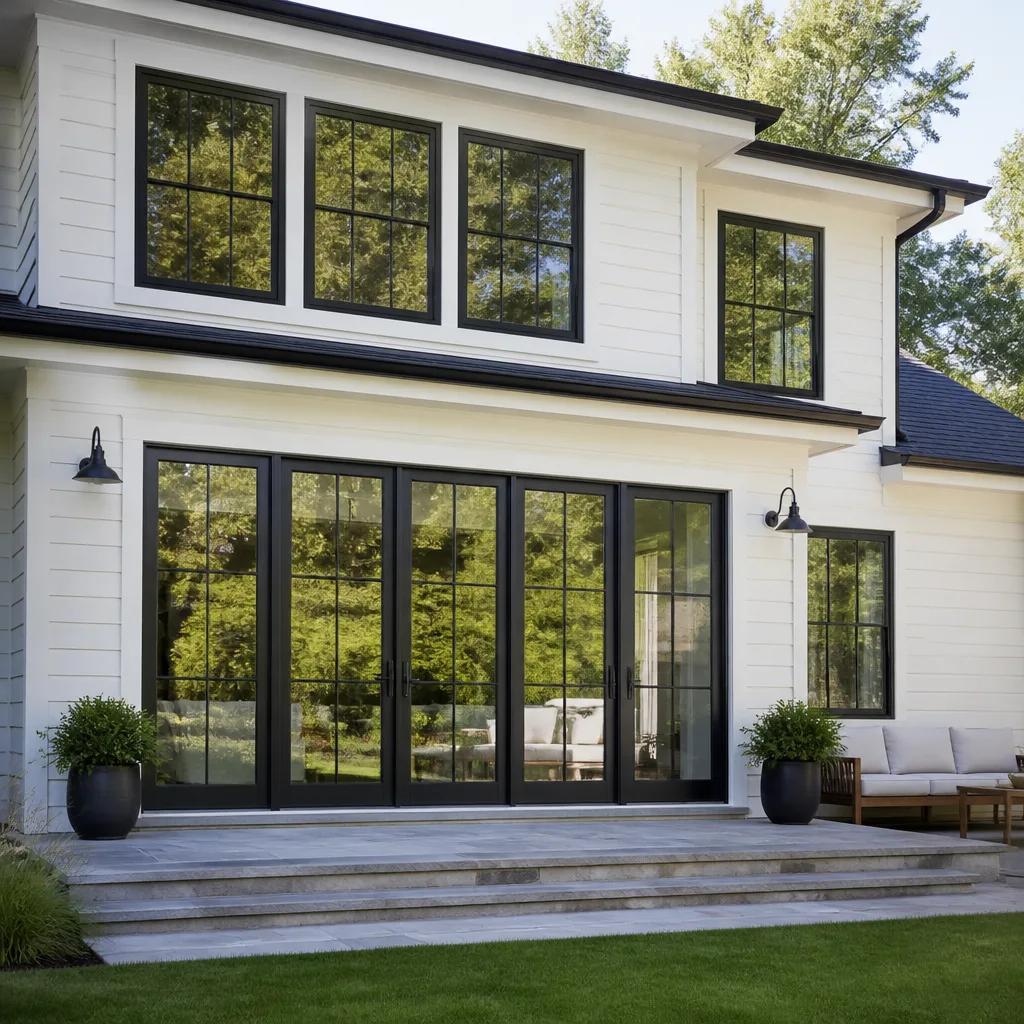 Windows & doors
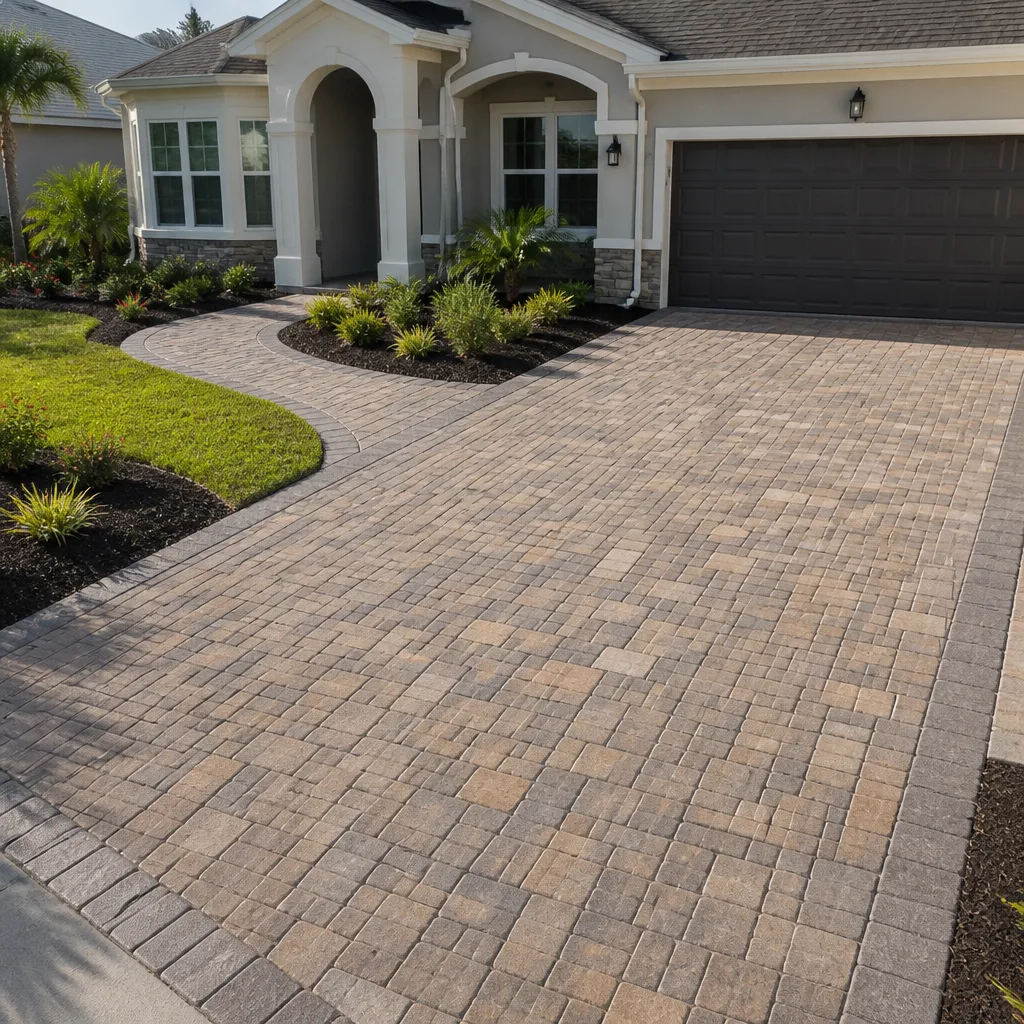 Driveway & pavers
 Fence
Free written scope consultation - allowances, timeline, and change-order rules on paper before a single trade is scheduled
DIY vs Professional Construction: The Orange Homeowner’s Decision Guide
Every year, somewhere in Orange, a homeowner steps back from a half-finished bathroom remodel, looks at the exposed plumbing, the crooked drywall, and the stack of unopened permits, and wonders how a weekend project became a six-month standoff with their own house. The truth is that the DIY versus professional decision in California isn’t really a matter of courage or skill or how many YouTube videos you’ve watched. It’s about three things most guides never mention: what the law actually permits you to do, what your insurance policy silently excludes the moment you start swinging a hammer, and which mistakes become exponentially more expensive to fix than they ever were to prevent. This guide walks through the real lines, where the state draws them, where the climate in Orange punishes shortcuts, and where doing it yourself makes genuine financial sense, with links to more guides & resources for homeowners.
Quick Answer
DIY makes sense in Orange for cosmetic interior work, demolition, painting, and landscape preparation, but anything touching structure, waterproofing, electrical, plumbing, or the building envelope usually requires a licensed contractor under California law. Before you pull an owner-builder permit, understand that you’re legally certifying you won’t sell the home for at least one year, and you’re taking on the liability a licensed contractor would otherwise carry. The right call depends on project type, not just your confidence level.
Styles & brands we work with
Table of Contents
- What California Law Actually Says About Owner-Builder Permits
- The Insurance Problem: What Your Policy Won’t Cover During DIY Construction
- Orange Climate and the High Failure Rate of DIY Exterior Work
- Where DIY Makes Clear Financial Sense
- When DIY Goes Wrong: Assessment and Repair
- How to Hand Off Cleanly From DIY to a General Contractor
- What DIY Actually Costs in Orange: A Real Numbers Look
- Disclosure and Resale: What DIY Means When You Sell
What California Law Actually Says About Owner-Builder Permits
California’s owner-builder exemption is one of the most misunderstood provisions in residential construction law. It allows a property owner to act as their own general contractor and pull permits for work on their primary residence, provided the work is done by the owner or by direct employees of the owner. The key phrase is “primary residence.” You cannot owner-build a rental property, a flip, or a spec home in Orange. The law also caps owner-builder projects: you’re limited to no more than two structures per three-year period, and the structure must be intended for your own occupancy.
Here’s what signing that owner-builder permit form actually commits you to:
- You certify that the home is your principal residence and that you’ll occupy it for at least 12 months after completion.
- You accept full legal and financial responsibility for all work performed, including the work of any subcontractors you hire directly.
- You agree to register with the Contractors State License Board as an owner-builder, which places your name in a public database.
- You certify that if you sell the home within one year, the buyer will be disclosed as having purchased from an owner-builder, which can trigger additional inspection requirements and financing complications.
- You assume worker’s compensation liability for anyone injured on your job site unless you’re using properly licensed subs with their own coverage.
What many Orange homeowners don’t realize is that the owner-builder exemption does not allow you to perform every trade yourself. Electrical work still requires a licensed electrician in most cities, plumbing typically requires a licensed plumber, and HVAC work requires a licensed mechanical contractor. What owner-builder status really gives you is the right to pull the general building permit and coordinate the project. You still need licensed trade contractors for the specialized systems. You can swing a hammer for framing and finish, but you cannot legally wire a panel without a C-10 license.
In our experience assessing projects across Orange, we see two common failed strategies. The first is the homeowner who pulls an owner-builder permit and then hires unlicensed day labor for everything, which creates a liability nightmare if a worker is injured and a code nightmare when an inspector spots work that doesn’t meet current standards—a scenario covered in our General Contractor Troubleshooting: Common Problems and How to Fix Them. The second is the homeowner who skips permits entirely, doing the work quietly and then discovering at resale that the unpermitted addition or remodel has to be either retroactively permitted, which is expensive, or disclosed as unpermitted, which discounts the sale price by far more than the permit would have cost.
If you’re weighing DIY as a general contractor for your own project in Orange, start by reviewing our General Contractor Maintenance Checklist for Orange Homeowners and asking the city’s building department what they actually require. Orange operates under the California Building Code with local amendments, and the staff at the counter can tell you which trades you can self-perform under your permit and which require licensed contractors. Get that answer in writing. It’s the difference between a clear path and a retrofit mess later.
A licensed General Contractor in Orange can walk you through which work requires permits and which trades the city will require to be subcontracted to licensed professionals.
The Insurance Problem: What Your Policy Won’t Cover During DIY Construction
Most Orange homeowners discover the insurance gap the hard way: after something goes wrong, not before. A standard homeowners insurance policy is written for a completed, occupied home in its original permitted condition. The moment you start a substantial renovation, remodel, or addition, you’ve changed the risk profile, and your standard policy has language that reflects that change.
What’s typically excluded during active DIY construction:
- Damage to the unfinished work itself: if your partially framed addition collapses in a wind event, your policy likely won’t cover the cost to rebuild what hasn’t been completed. The unfinished portions aren’t considered covered structure yet.
- Theft of materials and tools from the job site: builders risk policies cover this. Standard homeowner policies often have dollar caps or exclude construction materials outright.
- Injury to unlicensed workers: if you pay a day laborer cash and that person falls off a ladder on your property, your homeowners liability will be your first line of defense, and most policies have exclusions for contractors and construction activities.
- Water damage from an improperly flashed window or roof penetration that you installed yourself: this becomes a workmanship issue, and insurance companies are skilled at denying claims where the loss stems from defective or unpermitted work.
- Foundation movement during excavation: if your DIY retaining wall or addition undermines the existing foundation, you’re likely outside coverage entirely.
The proactive approach is to talk to your insurance agent before you begin. A builders risk policy, also called a course of construction policy, covers materials, the partially completed structure, and sometimes liability during the project. In Orange, these policies typically run in the hundreds of dollars for smaller remodel projects, which is a fraction of what a single denied claim costs. If you’re acting as owner-builder, your agent can also confirm whether your umbrella policy remains valid while the work is underway. Many don’t.
Professional contractors carry their own liability and workers compensation coverage because the state requires it as a condition of licensure. A licensed contractor working on your Orange home provides a different insurance picture than an owner-builder arrangement, which is one of the structural reasons professional construction remains the default for any project touching the building envelope, structural systems, or life-safety elements like electrical and gas.
Orange Climate and the High Failure Rate of DIY Exterior Work
Orange sits in Southern California’s Mediterranean climate: hot, dry summers, mild but occasionally wet winters, and a meaningful Santa Ana wind component each fall that pushes wind-driven rain against wall and roof surfaces in ways most homeowners don’t anticipate. This isn’t San Francisco fog or Seattle drizzle. It’s a specific weather pattern that tests the water-shedding systems of a home, and it’s where DIY exterior work in Orange most often fails.
Roofing is the clearest example. A DIY roof replacement in Orange’s climate looks simple in July and becomes a problem in January. The materials themselves, from major manufacturers, are the same ones professionals use. The failure isn’t the shingle. It’s the underlayment transitions at valleys, the flashing at penetrations and sidewalls, the drip edge details at the eave. Orange’s winter storms can dump meaningful rain in concentrated bursts, and the wind drives that rain upward under shingle laps. A roof that looks perfect on a summer afternoon can leak the first time a two-inch storm hits during a Santa Ana event. The water that gets in may not show itself for months, traveling along trusses and settling into ceiling drywall.
The same logic applies to stucco and exterior siding systems. Modern exterior cladding is part of a drainage system: the cladding, the moisture barrier, the flashing at doors and windows, the weep screeds at the base. If any element is wrong, the wall’s ability to dry out is compromised. In Orange’s coastal-influenced air, even a small moisture trap can support mold growth inside a wall cavity within a season. We’ve opened walls in Orange homes where a window flashing error from a DIY retrofit had been quietly feeding mold growth for three years, invisible behind fresh paint.
Window flashing deserves its own mention. Orange’s building code requirements for window installation, especially in areas with wind-driven rain exposure, now mandate specific flashing tape sequences and sill pan details. The window frame from a quality manufacturer like Therma-Tru is designed to work with those installation details. Get the detail wrong, and the warranty on the window is void, the wall cavity gets wet, and the cost to fix is thousands more than the install would have been originally.
The bottom line for Orange homeowners is this: exterior envelope work is a system, not a material purchase. The skill is in the transitions and terminations. Those are the places water finds. And in a climate with concentrated winter rains and Santa Ana winds, water always finds the gap.
Where DIY Makes Clear Financial Sense
For all the warnings, there are categories of work where DIY in Orange makes undeniable sense. The line runs through the low-risk, high-labor zones of a project, where mistakes are cosmetic and recoverable rather than structural and compounding.
Interior finish work is the classic DIY win. Painting, trim, baseboard, interior door replacement, closet systems, cabinet hardware, tile backsplash in kitchens. These are tasks where the materials are forgiving, the learning curve is short, and a mistake costs you an afternoon, not a building permit. Orange homeowners doing their own interior painting in a standard 1,800-square-foot home save $4,000 to $7,000 on labor. That’s real money that can go into the kitchen cabinets or new windows instead.
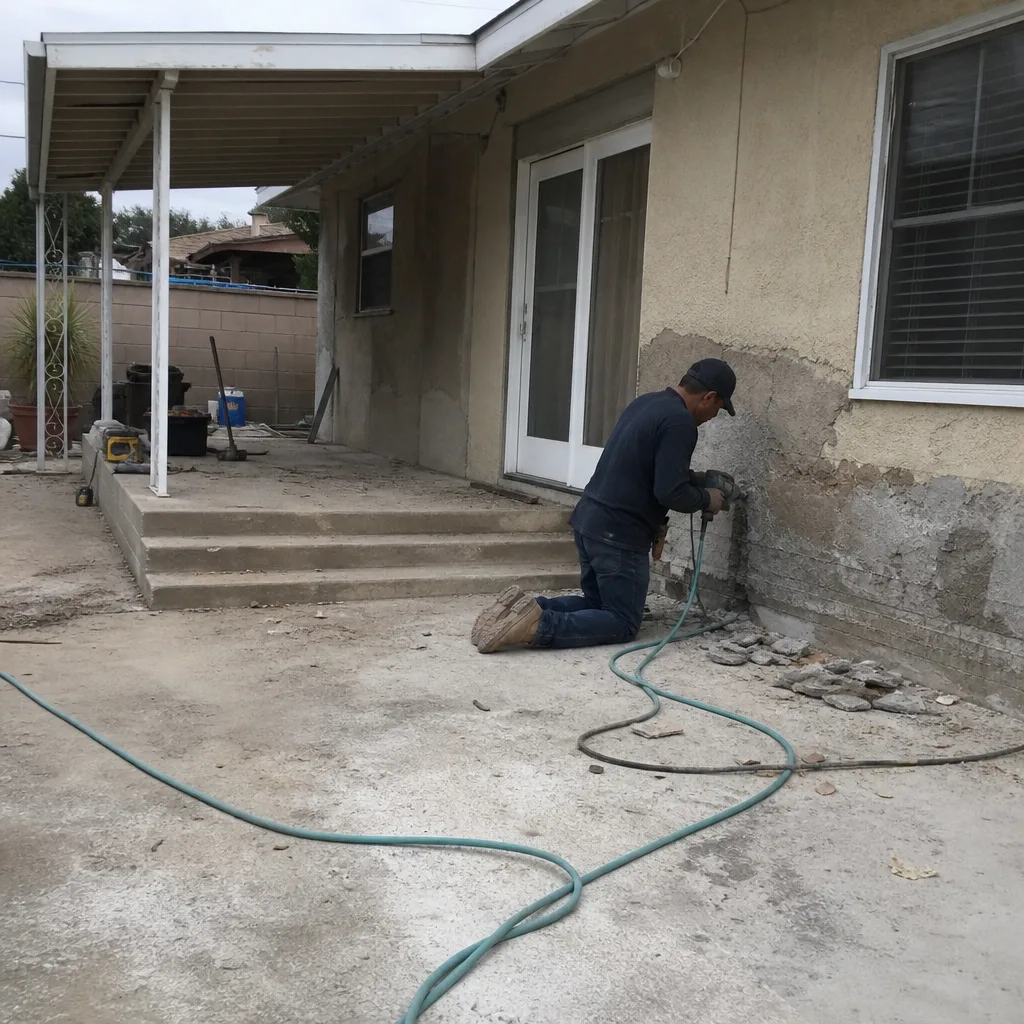
Demolition is another category where DIY pays. Removing the old kitchen cabinets, pulling up carpet, knocking out the dated bathroom vanity before the pros arrive. Demolition is physically hard but technically simple. The one caveat in Orange: if the home was built before 1980, assume lead paint and asbestos in linoleum and popcorn ceilings until testing proves otherwise. That’s not a minor concern; it’s a health issue and a legal one if you’re doing the demo yourself without proper containment.
Landscaping and hardscape preparation offer another clear zone for DIY. The hardscaping materials from brands like Belgard and Unilock are the same ones professionals specify. What DIYers can do well is the site work: clearing, grading the rough level, laying base material, edging. The pour, the paver pattern, the drainage slope, the retaining wall’s structural integrity are where the professional value shows. A homeowner who prepares the site and lets the contractor do the install captures savings without taking on the failure risk.
The clean option is to assume the role of general labor for your own project and let professionals handle the trade work. You paint, you demo, you prep. The plumbing, electrical, roofing, and structural work stays with licensed trades. It’s the model that respects the legal boundaries and the insurance realities without writing off the real savings DIY can deliver.
When DIY Goes Wrong: Assessment and Repair
Every contractor in Orange has been called to a home where the owner got in over their head, and those calls share a familiar shape. The homeowner is embarrassed, frustrated, and often only partially aware of what’s wrong. The goal in that first visit isn’t to shame anyone; it’s to figure out what’s actually failing and what it will take to fix it correctly.
Here’s the assessment process we follow when evaluating a DIY project gone sideways in Orange:
- Identify what was permitted and what wasn’t. Unpermitted work that touches structure, electrical, or plumbing has to be brought under permit to be repaired properly. That may mean opening walls for inspection.
- Find the active failures. Water intrusion, structural deflection, electrical code violations. These come first because they’re getting worse while you deliberate.
- Separate the cosmetic errors from the systemic ones. Bad paint is a weekend fix. Bad flashing is a demolition and rebuild.
- Test what’s hidden. A moisture meter on wall cavities, a level on floors and beams, a circuit test on DIY electrical work. Hidden conditions are where the real scope lives.
- Price the repair as a standalone job. Don’t let the sunk cost of the failed DIY attempt anchor you. The question is what it costs to get it right now, not what you already spent.
When the repair requires permits, which most structural repairs in Orange do, that work falls to a licensed contractor. A Home Remodeling in Orange professional can pull permits, schedule the inspections, and bring the work into compliance. Attempting a repair without addressing the permit gap just creates the same problem two years later, with more water damage and a bigger scope.
One reality worth naming: the cost of fixing a DIY failure is usually higher than doing the job professionally the first time. The contractor is doing demolition, diagnosis, repair, and often rebuilding portions the homeowner’s work never should have touched. In Orange’s market, a botched DIY bathroom that leaks into the subfloor can cost $8,000 to $15,000 to remediate and rebuild. A professional bathroom remodel from the start might have run $18,000 to $25,000. The DIY attempt didn’t save $3,000 in labor; it added a $10,000 remediation bill.
How to Hand Off Cleanly From DIY to a General Contractor
The clean handoff between DIY scope and professional scope is one of the least discussed but highest-value skills in construction management. When you do your own demolition or prep work and then bring in a general contractor, the sequence of that handoff determines whether you save money or create friction and change orders.
The steps for a clean transition in Orange:
- Define the exact line before work begins. Write down what you’ll do and what the contractor will do. Shared scope is where conflicts start.
- Get the contractor’s spec for your prep work. If you’re doing demo, ask what condition the site should be in when the contractor arrives. Flat, clean, all debris removed, old materials hauled.
- Don’t start the contractor’s scope. Once the professional takes over, stay out of the active work areas. Reaching in to “help” creates warranty and liability questions.
- Have the contractor inspect your DIY work before they build on it. A professional walking a site before the next phase starts can catch issues while they’re still cheap to correct.
- Accept the truth of the inspection. If the contractor finds a problem with your demo or prep, the cheapest moment to fix it is right then, before their work covers it up.
Orange homeowners get particular value from this approach on kitchen remodels when they want to handle the cabinet tear-out and flooring removal themselves but want a professional for the cabinet installation, countertop templating, plumbing, and electrical. The material brands we commonly work with for kitchens, including cabinetry and countertop lines, don’t make the handoff any harder if the surrounding conditions are sound.
A Home Renovation in Orange contractor who’s seen DIY handoffs before will give you a clear prep list. Get that list early. It’s the difference between a project that flows and one that stalls on day one because the site wasn’t ready.
What DIY Actually Costs in Orange: A Real Numbers Look
DIY cost claims usually compare material prices to contractor bids and call the difference “savings.” That math ignores the categories where DIY actually costs more than hiring a pro. Here’s a project-level look at Orange market numbers, based on typical local conditions.
Interior Paint: The Clear DIY Win
- DIY cost for a 1,800-square-foot Orange home: $1,200 to $2,500 in materials and equipment, 3 to 5 weekends of work.
- Professional cost: $4,000 to $7,000.
- Genuine savings: $2,500 to $4,500, with low risk and recoverable mistakes.
Bathroom Remodel: The Risk-Reward Breakeven
- DIY cost when the homeowner does tile, vanity install, and paint but hires a plumber and electrician: $6,000 to $10,000 in materials and subcontracted trades.
- Professional cost: $15,000 to $28,000 depending on fixtures and waterproofing scope.
- The savings look significant, but the risk lives in waterproofing and drainage. A shower pan error that leaks into the subfloor turns a $10,000 bathroom into a $20,000 remediation.
Roof Replacement: Where DIY Really Fails the Money Test
- DIY cost for a typical Orange ranch roof with material from a quality brand: $6,000 to $9,000 for shingles, underlayment, and disposal.
- Professional cost: $12,000 to $18,000 with workmanship warranty.
- The DIY roofs we’ve seen leak, fail inspection, or void their material warranty at a rate that makes the apparent savings fictional. When we repair two-year-old DIY roofs in Orange, the owner is usually paying the professional cost plus the cost of their own failed attempt.
The honest frame is not “DIY costs less” but “DIY shifts cost from cash to risk.” In low-risk categories like paint and simple flooring, that shift is worth taking. In high-risk categories like roofing, waterproofing, and anything structural, the shift is a losing trade. The math in Orange’s market, with its high home values and strict code enforcement, works against the owner-builder who gambles on the envelope.
Disclosure and Resale: What DIY Means When You Sell
Selling a home in Orange with DIY work in its history is a disclosure exercise, and California takes disclosure seriously. The Real Estate Transfer Disclosure Statement, the form every seller completes, asks specifically about work done without permits and about any known defects. Lying on that form is fraud. Leaving a blank on the unpermitted-work question doesn’t protect you either; a buyer’s inspector will find the tell-tale signs, and the buyer’s lender will ask.
What unpermitted DIY work does to an Orange sale:
- It reduces the buyer pool. Lenders have different tolerances for unpermitted work, and many will not finance a home with unpermitted square footage or structural changes until the work is retroactively permitted and signed off.
- It lowers the sale price. Unpermitted work is typically discounted at 10 percent to 20 percent against the value of permitted work because the buyer inherits the code-compliance risk.
- It creates negotiation leverage for the buyer. A smart buyer’s agent will use the disclosure to force either a price reduction or a repair credit, and the seller has no good response because the work was never permitted.
- It can cancel the sale entirely. If the buyer’s lender won’t finance unpermitted work and the seller can’t afford to bring it into compliance, the deal dies in escrow.
The one-year restriction on selling an owner-builder project is just the statutory gate. The real cost shows up in the disclosure packet and the inspection report. For most Orange homeowners, the resale exposure alone is reason enough to keep DIY within the cosmetic, non-permitted categories where it belongs.
Common Mistakes to Avoid
- Skipping the permit because “it’s just a small job.” In Orange, unpermitted work is a disclosure and resale problem that compounds every year it remains unpermitted. The cost to retrofit a permit always exceeds the cost of pulling one at the start.
- Assuming homeowner’s insurance covers construction mishaps. Standard policies exclude much of the construction-phase risk. DIYers who proceed without a builders risk policy are self-insuring against losses they can’t absorb.
- Treating waterproofing as a detail rather than a system. In Orange’s rain pattern, a single flashing error becomes a mold problem inside a wall cavity within a season. The systems approach is the only approach that holds up.
- Ignoring the worker’s compensation exposure of cash labor. An unlicensed, uninsured worker injured on your Orange property is your liability, and the claim can exceed the cost of the entire project.
- Starting the work before the handoff plan exists. When DIY scope and contractor scope aren’t defined in writing before work begins, change orders and disputes follow.
- Underestimating the resale impact of unpermitted work. The home’s future buyer cares about the permit history, and so does their lender. DIY choices made in year one become sale-price reductions in year five.
- Choosing the wrong place to save. Saving on paint and saving on roof flashing are not the same category of risk, but DIY enthusiasm treats them as if they were. Know the line before the materials arrive.
See the difference
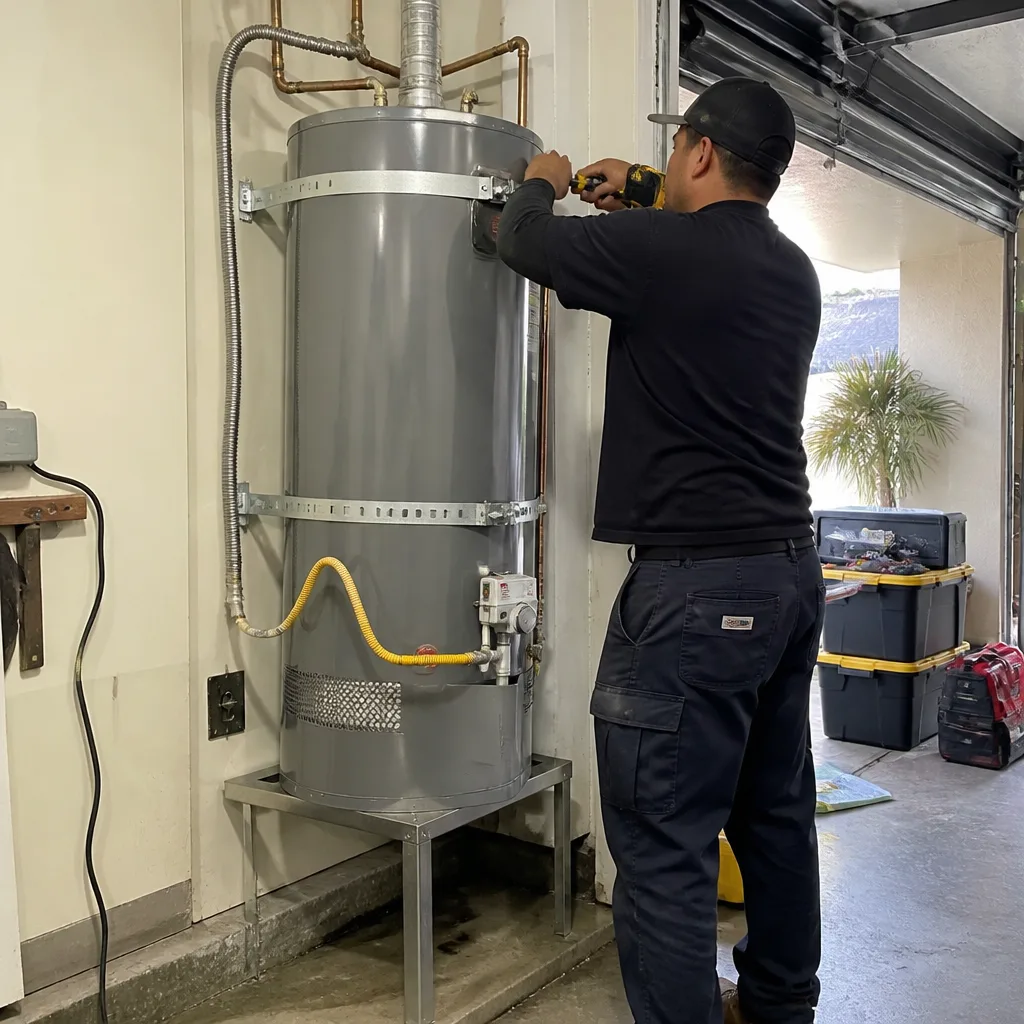
 Before
 After
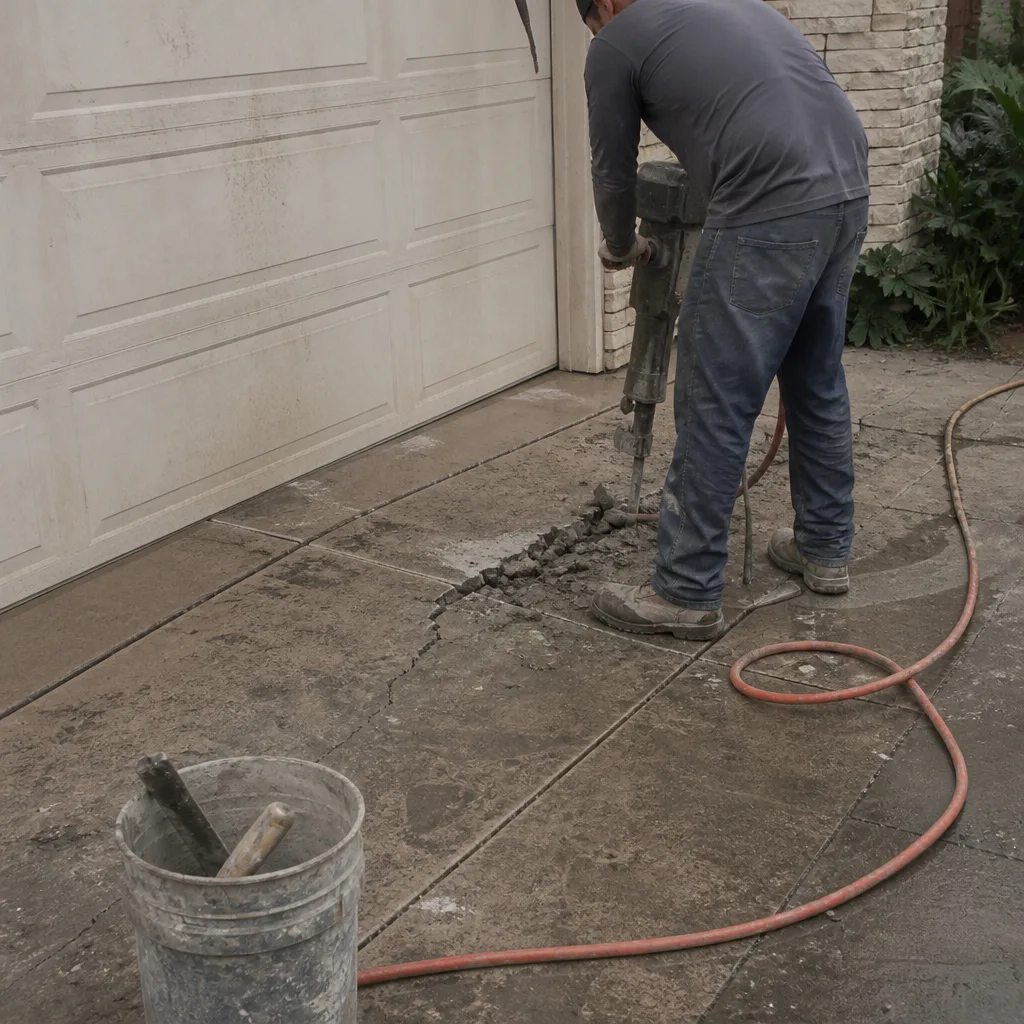
 Before
 After
 Before
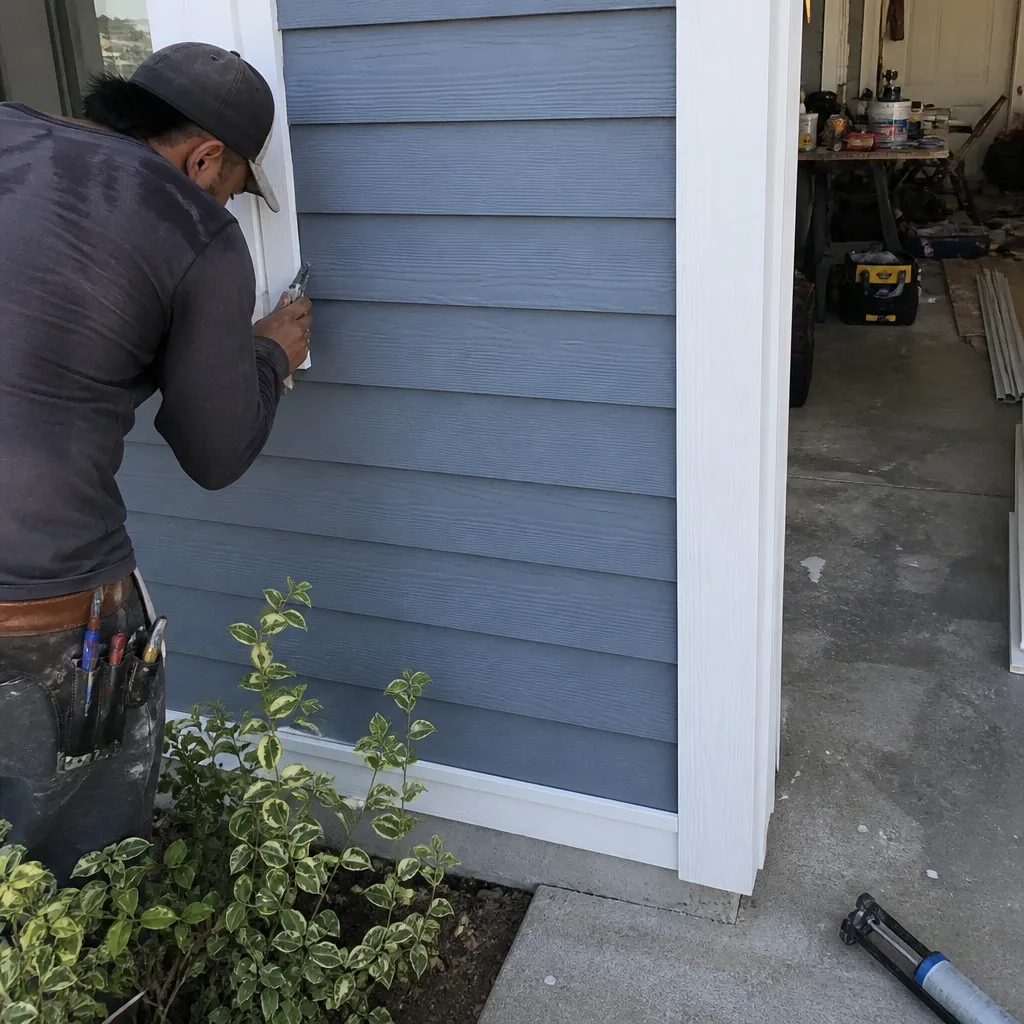 After
When to Call a Professional
Call a licensed contractor when the work touches structure, waterproofing, electrical, plumbing, gas, HVAC, or the roof. Call when a permit is required and you don’t want the legal and resale exposure of owner-builder status. Call when a failed DIY attempt has created a water intrusion or safety problem that needs diagnosis before it needs repair. Call when the project spans multiple trades and you don’t want to coordinate a parade of disconnected subs. Iron Beam Contractors offers free estimates in Orange, and the Iron Beam Contractors home team can scope the work, flag the permit requirements, and tell you honestly whether the remaining DIY portions are worth your time. Call (833) 756-5936.
Frequently Asked Questions
Yes, as an owner-builder on your primary residence, you can perform many types of construction work in Orange, but you cannot legally self-perform electrical, plumbing, or HVAC work without the relevant trade license, and you’re subject to the one-year occupancy requirement and resale restrictions.
For interior paint, homeowners in Orange typically save $2,500 to $4,500 on a standard-sized home; for a bathroom remodel, DIY savings can look like $5,000 to $15,000 but carry waterproofing and permit risks that often cost more than the savings when things go wrong.
You must disclose unpermitted work on California’s transfer disclosure forms, and the work typically reduces the buyer pool, lowers the sale price by 10 to 20 percent against permitted square footage, and creates negotiation leverage for the buyer.
Cosmetic work like painting, flooring replacement, and trim work typically does not require a permit in Orange, but any work that alters structure, moves plumbing or electrical, or changes the building envelope requires a permit from the city.
Standard homeowner’s policies typically exclude damage to unfinished work, theft of construction materials, and liability for unlicensed workers, so Orange DIYers should talk to their agent about a builders risk policy before starting substantial work.
Hire a general contractor in Orange when the project touches the roof, structure, waterproofing, electrical, plumbing, gas, or any multi-trade scope where coordinating permits and sequencing across trades is part of getting the job done correctly; see How to Hire a Construction Contractor in Orange: A Step-by-Step Guide for details.
The Bottom Line
The DIY versus professional decision in Orange isn’t about whether you’re capable. It’s about what the law permits, what your insurance covers, and what the climate punishes. Cosmetic interior work, demolition, and landscape prep are legitimate DIY territory with real savings. The building envelope, structural systems, and life-safety trades belong with licensed professionals, not because professionals are better people, but because the failure modes are compounding and the costs of error are asymmetric. Make the line explicit before the work starts. If you’re unsure where a project falls, get a professional’s read on the scope before you commit either way. That conversation costs nothing in Orange, and it’s the cheapest insurance you’ll ever buy.
Written by the team at Iron Beam Contractors, serving Orange since 2018.