
Last updated October 31, 2026
 Kitchen remodeling
 Bathroom remodeling
 Home additions & ADU
 Roofing
 Windows & doors
 Driveway & pavers
 Fence
Free written scope consultation - allowances, timeline, and change-order rules on paper before a single trade is scheduled
General Contractor Troubleshooting: Common Problems and How to Fix Them
The #1 complaint filed against contractors in California isn’t shoddy work. It’s abandonment. A contractor starts a job, rips out a kitchen or opens up a roof, then stops showing up. Payments were made. Materials are sitting in the driveway. And the homeowner is left holding a demolition site and a contract that suddenly reads like fiction. In Orange, where older housing stock meets ambitious renovation budgets, this scenario plays out more often than anyone in the industry wants to admit. This guide explains why contractor problems actually happen, how to spot the early warning signs, and the exact steps to take when a project goes sideways, including the legal mechanisms most homeowners never learn about until it’s too late. For more guides & resources, see our blog.
Quick Answer
Most general contractor problems stem from broken communication structures, unclear contracts, and cash-flow mismanagement, not from malicious intent. The fix starts before the problem: get a detailed written contract with a payment schedule tied to completed milestones, require written change orders for every scope adjustment, and document all communication in email. If a contractor has already stopped showing up, determine whether it’s a fixable cash-flow issue or abandonment, then move to a written demand letter, a CSLB complaint, and potentially a construction attorney.
Styles & brands we work with
Table of Contents
- Contractor Stopped Showing Up: Cash-Flow Problem or Abandonment?
- Poor Workmanship: How to Document and Demand Corrections
- Change Orders and Scope Creep: Why Your Bill Just Doubled
- Substantial Completion in California: Your Legal Leverage
- The Communication Protocol Courts Actually Use
- How to File a CSLB Complaint and What Happens Next
- Mechanics Liens: The Risk You Didn’t Know You Signed Up For
- Common Mistakes to Avoid
- When to Call a Professional
- Frequently Asked Questions
Contractor Stopped Showing Up: Cash-Flow Problem or Abandonment?
When a contractor stops responding to calls and the job site sits quiet for a week, you need to diagnose the problem before you can solve it. In our experience serving the Orange market, these situations split into two distinct categories: cash-flow problems that can be worked through, and abandonment that requires legal action.
A cash-flow problem typically looks like this: the contractor is still answering calls, but responses get slower. They might be juggling multiple jobs because they’re waiting on a payment from another client. The work quality hasn’t dropped, but the schedule keeps slipping. Maybe a supplier had a materials delay. These are operational problems. Frustrating, but fixable.
Abandonment looks different. Calls go to voicemail and never get returned. The crew doesn’t show up for two weeks straight. Tools and equipment get pulled from the site quietly on a weekend. The contractor stops responding to emails but keeps cashing checks if any are still tied to schedule dates rather than milestones.
The early warning signs are different for each. Cash-flow problems show up as scheduling delays, staffing changes, or a request to adjust payment terms mid-project. Abandonment shows up as communication silence, unpaid subcontractors contacting you directly, or materials suppliers calling to verify the contractor’s credit card.
What to Do in the First 72 Hours
- Document the silence. Send one email and one text requesting a status update with a specific deadline. Save both. This becomes your paper trail if the situation escalates.
- Check the job site. Photograph everything. Materials, progress, permits posted. If the contractor removed tools, that’s a strong signal of abandonment.
- Contact any subcontractors you know. Ask when they were last paid by the GC. Unpaid subs are a leading indicator that the contractor lacks cash or has moved on.
- Review your payment schedule. If you’ve paid ahead of completed work, that’s a problem. Never pay for work not yet physically complete on your property.
In Orange, where renovation demand outstrips contractor supply, some GCs overbook intentionally. They take deposits from multiple projects to keep cash moving, then slow-roll the jobs with less margin. Knowing which problem you’re facing determines whether you send a firm email or a demand letter from an attorney.
Poor Workmanship: How to Document and Demand Corrections
Poor workmanship complaints fall into predictable categories: framing that’s out of square, tile with excessive lippage, waterproofing that wasn’t installed correctly behind shower walls, or roofing underlayment that doesn’t meet manufacturer specifications. When you’re in the middle of a remodel in Orange and you see sloppy work, acting fast matters more than being polite.
The fix depends on leverage. Your leverage comes from two sources: the contract’s workmanship warranting language and the payment holdback. Here’s the process we walk through with homeowners who consult us after a contractor walked off a job or was fired mid-project.
Step-by-Step Documentation Process
- Identify the specific defect. Don’t say “the tile looks bad.” Say “tile lippage exceeds the ANSI A108 standard on the east bathroom wall.” Specific standards give your demand teeth.
- Photograph with context. Wide shots showing the location, close shots showing the defect, and a reference object like a level or straightedge in the frame.
- Review your contract’s defect correction clause. California Business and Professions Code Section 7107 requires licensed contractors to provide a workmanship warranty, but the contract language defines how corrections are handled.
- Send a written correction request. Email with photos attached. List each defect, reference the contract clause, and set a deadline for response. Ten calendar days is standard.
- Hold back a proportionate amount from the next payment. Do not pay for work that fails to meet the standard. Your payment is your leverage.
- If the contractor refuses, get a third-party inspection. A building inspector from the City of Orange or an independent construction consultant can document defects in a report that carries weight in any subsequent dispute.
What most homeowners in Orange don’t realize is that the workmanship standard in California is “generally accepted trade practice.” That means if your contractor’s tile work would be accepted by other tile installers in the region, it may not qualify as defective, even if you dislike the aesthetic result. Aesthetic complaints are negotiation territory. Functional defects like leaks, structural issues, or code violations are enforcement territory.
Change Orders and Scope Creep: Why Your Bill Just Doubled
Change orders are where contractor relationships go to die. The problem isn’t that changes happen. Every remodel in Orange encounters surprises once walls open up: termite damage in a 1970s tract home, old galvanized pipes that need replacement, electrical panels that don’t meet current code. The problem is that most contracts don’t define how changes get priced, approved, and documented.
A change order is a written amendment to the contract that specifies the new work, the cost, and the schedule impact. Without one, you have a verbal agreement, and verbal agreements in construction disputes are worth exactly nothing in arbitration or court.
What a Legitimate Change Order Includes
- The exact scope of the new work, in writing, not shorthand
- A line-item price breakdown, not a single lump sum
- The schedule impact in calendar days, not “might add a little time”
- Your signature and the contractor’s signature before the work starts
- Photo documentation of the condition that triggered the change
The single most common client complaint we hear in Orange is: “My contractor did work I never approved and now wants to bill me for it.” The answer is almost always in the contract language. If the contract includes a clause allowing the contractor to proceed with “necessary” or “unforeseen” work without prior written approval, you’ve given away your approval right.
When a contractor presents a change order, ask yourself: is this truly necessary? Can it be deferred? Is the pricing transparent? In our experience, the best general contractors in Orange price change orders at the same margin as the original bid, and they show the math. If a contractor can’t show the math, that’s a flag.
Substantial Completion in California: Your Legal Leverage
“Substantial completion” is a legal term of art in California construction law, and most homeowners have never heard of it until a contractor walks off the job with punch-list items outstanding. Understanding this concept gives you leverage that no contractor wants you to have.
Substantial completion is the point at which the work is sufficiently complete that the owner can use the property for its intended purpose, even if minor items remain. In California, substantial completion triggers several legal consequences: the contractor’s right to final payment, the start of certain warranty periods, and the owner’s obligation to provide a punched list of remaining items.
Here’s the practical application. If your Orange remodel is 95% done and the contractor stops showing up to finish the last 5% (trim, touch-up paint, a leaky faucet), don’t escalate to a lawyer immediately. In many cases, the contractor considers the project substantially complete and is waiting for you to formally list the remaining items. Send a written punch list with a reasonable deadline, typically 15 to 30 days. If the contractor doesn’t respond, you have several options.
- Hire another contractor to finish the punch-list work. Document the cost. Under California law, you may be entitled to offset that cost against any remaining payment owed to the original contractor.
- File a CSLB complaint for abandonment. Walking off a job without cause is a violation of California contractor licensing law, even if the work is substantially complete. The remaining items still matter.
- Send a demand letter. A formal letter from an attorney outlining the punch-list items, the cost to complete them, and your intent to pursue the contractor’s license bond. This often generates sudden responsiveness.
The key is to never make final payment on a job that isn’t complete by the contract’s definition. In Orange, where remodeling projects often push past their original timelines, homeowners sometimes pay final invoices out of exhaustion rather than satisfaction. That’s a mistake. Final payment is your last piece of leverage. Hold it until the punch list is done.
The Communication Protocol Courts Actually Use
If your contractor dispute ends up in arbitration or litigation, the outcome will hinge on the paper trail. Not on who’s right. Not on what was said in a phone call. The paper trail. Here’s the communication protocol we recommend to every homeowner in Orange before a single dollar changes hands.
Email over text. Always. Text messages are admissible in California courts, but they’re messy to litigate. Screenshots, metadata questions, missing context. Email creates a clean, searchable, timestamped record. Send the contractor an email after every phone call summarizing what was discussed and agreed to. It takes three minutes and it will save you thousands of dollars if something goes wrong.
Written change orders only. This cannot be overstated. If it’s not in writing, it didn’t happen. Any contractor who resists written change orders is a red flag wearing a tool belt.
Photograph progress weekly. Once a week, walk the job and photograph everything. Every room, every trade’s work. Organize photos by date. If a dispute arises about when work was done or what condition it was in at a specific time, your photo library is the evidence.
Keep a job log. A simple notebook with daily entries: who showed up, what they did, what materials arrived, what was discussed. Courts and arbitrators assign significant weight to contemporaneous documentation kept in the ordinary course of business or, in this case, of being a homeowner.
Never pay in cash. Check and credit card payments create a bank record. Cash creates a dispute about whether payment happened at all. This is true for any contractor, anywhere, but it’s especially relevant in Orange’s robust residential remodeling market where deposit disputes are common.
How to File a CSLB Complaint and What Happens Next
The California Contractors State License Board (CSLB) regulates licensed contractors in Orange and across the state. Filing a complaint is free, can be done online or by mail, and is remarkably underused by homeowners who don’t know the process exists.
The CSLB complaint process covers specific issues: abandonment, failure to complete work without good cause, substandard workmanship, failure to pay subcontractors or suppliers, and contract violations involving unlicensed activity. Here’s how it works.
- Verify the contractor’s license status. Visit cslb.ca.gov and enter the contractor’s name or license number. You need to confirm they’re licensed and check for prior complaints or disciplinary actions.
- Complete the complaint form. The CSLB requires specific information: contract details, payment history, photographs, written communication, and a description of the problem. Be factual. Emotional language weakens your complaint.
- Submit and wait for assignment. The CSLB assigns a field representative to investigate. In Orange County, response times vary based on caseload, but most investigations begin within 30 to 60 days.
- Participate in mediation if offered. The CSLB often facilitates a settlement conference between the homeowner and contractor. This is free and resolves many disputes without litigation.
- Understand the realistic outcomes. The CSLB cannot force a contractor to refund your money or complete the work. What it can do is levy discipline: citations, fines, license suspension, or license revocation. The financial recovery still requires a separate legal action, but a CSLB finding in your favor strengthens that action significantly.
One realistic outcome most homeowners don’t anticipate: recovery from the contractor’s license bond. Every licensed contractor in California must post a bond (currently $25,000 for most classifications). If the CSLB or a court finds in your favor, you can file a claim against that bond to recover damages. It’s not a full refund for a failed remodel, but it’s real money, and most homeowners never pursue it because they don’t know the bond exists.
Mechanics Liens: The Risk You Didn’t Know You Signed Up For
Here’s a scenario that happens with alarming frequency in Orange: you paid your general contractor in full. The project is done. You’re enjoying your new kitchen. And then three months later, you get a letter from a lumber supplier saying they never got paid, and they’ve placed a mechanics lien on your property. You paid the GC. The GC didn’t pay the supplier. And now your property is encumbered.
A mechanics lien is a legal claim against your property by anyone who provided labor or materials for the work. In California, subcontractors and material suppliers have the right to file a lien even if they had no direct contract with you. Your obligation is to the property. This is why understanding lien mechanics before signing any contract matters more than most homeowners realize.
Protect yourself with these steps:
- Request lien releases. Before making any payment, request conditional and unconditional lien releases from the contractor and all major subcontractors and suppliers. A conditional release covers work done through the payment date. An unconditional release covers work already paid for.
- Pay by joint check. For major material purchases, write checks payable jointly to the contractor and the supplier. This ensures the supplier gets paid directly.
- Verify prelim notices. In California, subcontractors and suppliers must serve you with a preliminary notice within 20 days of first providing labor or materials to preserve their lien rights. Track these notices. They tell you who could potentially lien your property.
- Request a final release before final payment. Before writing the final check, require the contractor to provide unconditional releases from every sub and supplier on the project. If a contractor can’t produce releases, that means someone hasn’t been paid, and the lien risk is real.
In Orange, where the home remodeling market includes a mix of newer construction and 50-plus-year-old homes needing major overhauls, lien disputes tend to cluster around projects where material costs are high and contractor margins are thin. A contractor who underbid a project to win the job may be tempted to stretch supplier payments. The homeowner absorbs the risk.
Common Mistakes to Avoid
- Paying too much upfront. California law caps the down payment for most residential projects at 10% of the contract price or $1,000, whichever is less. Some contractors in Orange will push for more. Don’t do it. A contractor who can’t fund a project start without a large deposit has cash-flow problems before the job begins.
- Signing a contract with vague scope language. “Replace kitchen cabinets per attached plan” leaves room for argument about what “per attached plan” includes. Every fixture, every material, every finish should be specified with make and model. If a line item says “to be selected later,” get a written allowance amount.
- Firing a contractor without documentation. If you terminate a contractor mid-project without documenting the reasons, you expose yourself to a breach of contract claim. Build the paper trail first: written correction requests, photos, deadlined responses. Then terminate with cause, in writing.
- Ignoring the permit process. In Orange, working without required permits is a building code violation that can trigger stop-work orders, fines, and difficulty when you sell the home later. Require your contractor to pull all necessary permits and post them on site. A contractor who says “we don’t need a permit for this” is wrong more often than they’re right.
- Not verifying subcontractor licensing. Your general contractor might be licensed, but their subs might not be. Unlicensed subcontractors create liability exposure for you. Ask for every sub’s license number and verify on cslb.ca.gov.
- Making final payment before the punch list is done. This shows up twice in this guide because it’s doubly important. Final payment is your last leverage. Do not give it away until the work is complete, permits are signed off, and lien releases are in hand.
- Hiring without checking prior project references. Every contractor has references. Ask for three recent projects in Orange or nearby. Call the homeowners. Ask specific questions: Was the schedule accurate? Were change orders handled fairly? Would you hire them again? Past behavior is the best predictor of future behavior on a construction site.
When to Call a Professional
Some situations demand professional intervention sooner rather than later. If your contractor has stopped communicating for more than two weeks and work is incomplete, call a construction attorney before you make another payment. If a subcontractor or supplier has served you with a preliminary notice or lien, don’t wait for the lien to be perfected. If the work performed shows structural concerns, like cracked foundation walls after excavation or compromised load-bearing framing, stop the project and get an independent structural engineer’s assessment. And if you’re planning a significant remodel or addition in Orange and want to avoid these problems from the start, working with a general contractor who uses clear contracts, documented change orders, and established brand relationships makes the process predictable. See our guide on How to Hire a Construction Contractor in Orange: A Step-by-Step Guide. We use material brands like PGT for impact-rated windows, and our project documentation systems are built to keep projects transparent. Iron Beam Contractors offers free estimates in Orange, call (833) 756-5936.
Frequently Asked Questions
The most common problems are schedule delays, poor communication, change order disputes, workmanship defects, and payment disputes. Most of these trace back to inadequate contracts and weak communication protocols rather than intentional wrongdoing. A detailed written contract with milestone-based payments and written change orders eliminates most of these problems before they start.
The cost to correct defective work depends on the scope, ranging from a few hundred dollars for cosmetic touch-ups to tens of thousands for structural repairs. The good news is that California’s contractor licensing bond ($25,000) and any payment holdback you’ve retained can offset these costs. Document everything and get a third-party inspection before spending money on corrections so your claim is defensible.
If your contractor abandons a job in Orange, first send a written demand for completion with a specific deadline. Then file a complaint with the CSLB for abandonment. Next, get bids from other contractors to complete the remaining work, keeping documentation of all costs. You may be able to recover those costs from the original contractor’s bond or through a breach of contract claim.
Yes, you can withhold payment for work that doesn’t meet contractual or industry standards, but you must document the defects and notify the contractor in writing with a reasonable opportunity to correct them. Withholding payment without documentation exposes you to a mechanics lien or a breach of contract claim. Never refuse payment verbally; always do it in writing with specific reasons.
Visit cslb.ca.gov and search the contractor’s name or license number. You can view license status, insurance information, bond status, and any disciplinary actions or complaints filed against the license. You can also verify that the contractor is authorized to work in Orange and check for any active suspensions or revocations.
For most disputes under $10,000, small claims court or CSLB mediation will be faster and cheaper than hiring an attorney. For disputes over $10,000, involving structural defects, or involving a mechanics lien against your property, consult a construction attorney. Many offer a free initial consultation, and the cost of legal advice upfront is far less than the cost of an unresolved dispute. If you’re planning a new project and want to avoid these problems entirely, call (833) 756-5936 to discuss your general contractor in Orange needs before you sign anything.
The Bottom Line
Contractor problems are rarely a mystery. They’re a process failure. The homeowners who get through a remodel in Orange without disputes are the ones who wrote detailed contracts, documented every change, paid by milestones, and communicated in writing. The homeowners who end up in litigation are the ones who trusted a handshake and a verbal promise. You don’t need to become a construction lawyer to protect yourself. You need a contract that defines the work, a communication protocol that creates a record, and the discipline to never pay for work not yet done. For homeowners considering a home renovation in Orange, investing time in the contract and communication structure upfront is the single highest-leverage decision you can make to ensure the project goes smoothly from blueprint to backyard. If you want a team that handles the details before they become problems, Iron Beam Contractors home is where we start every project with the documentation and transparency that disputes can’t survive.
Written by the team at Iron Beam Contractors, serving Orange since 2018.
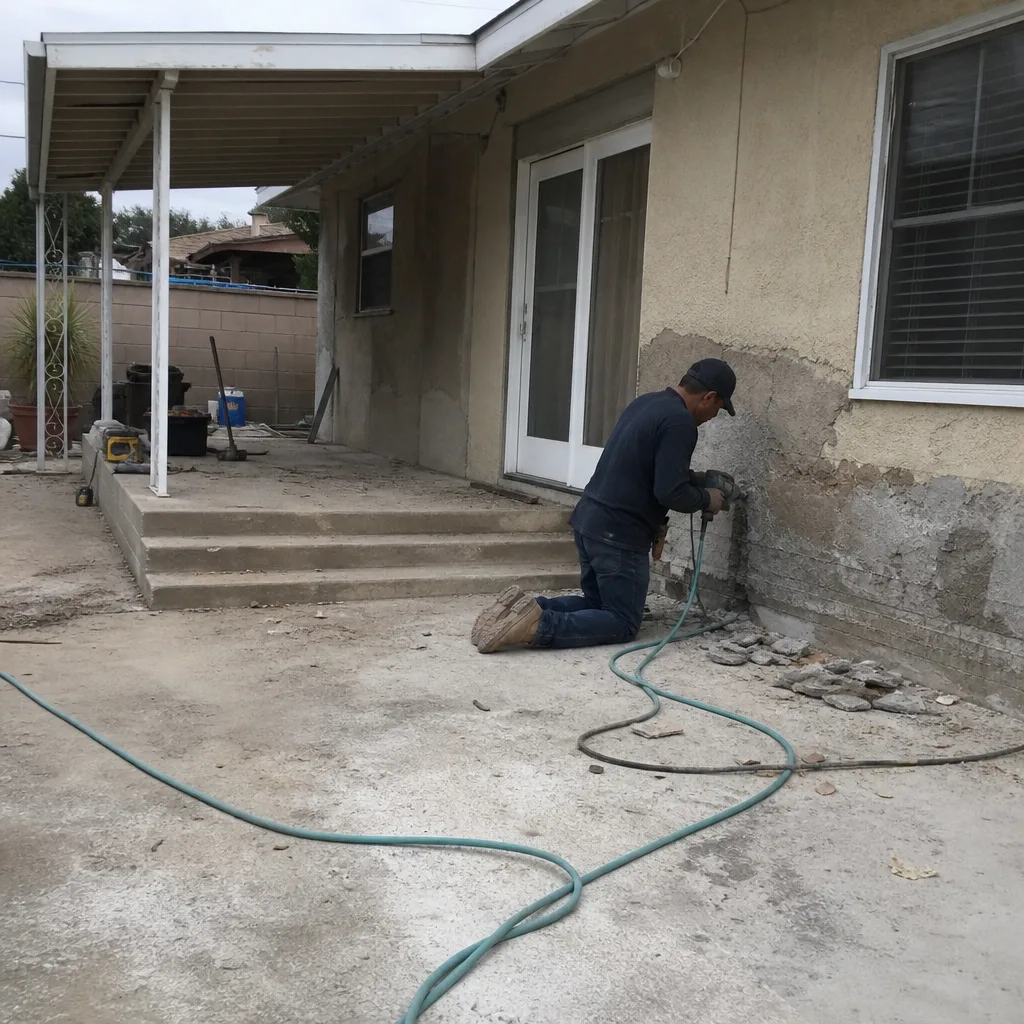
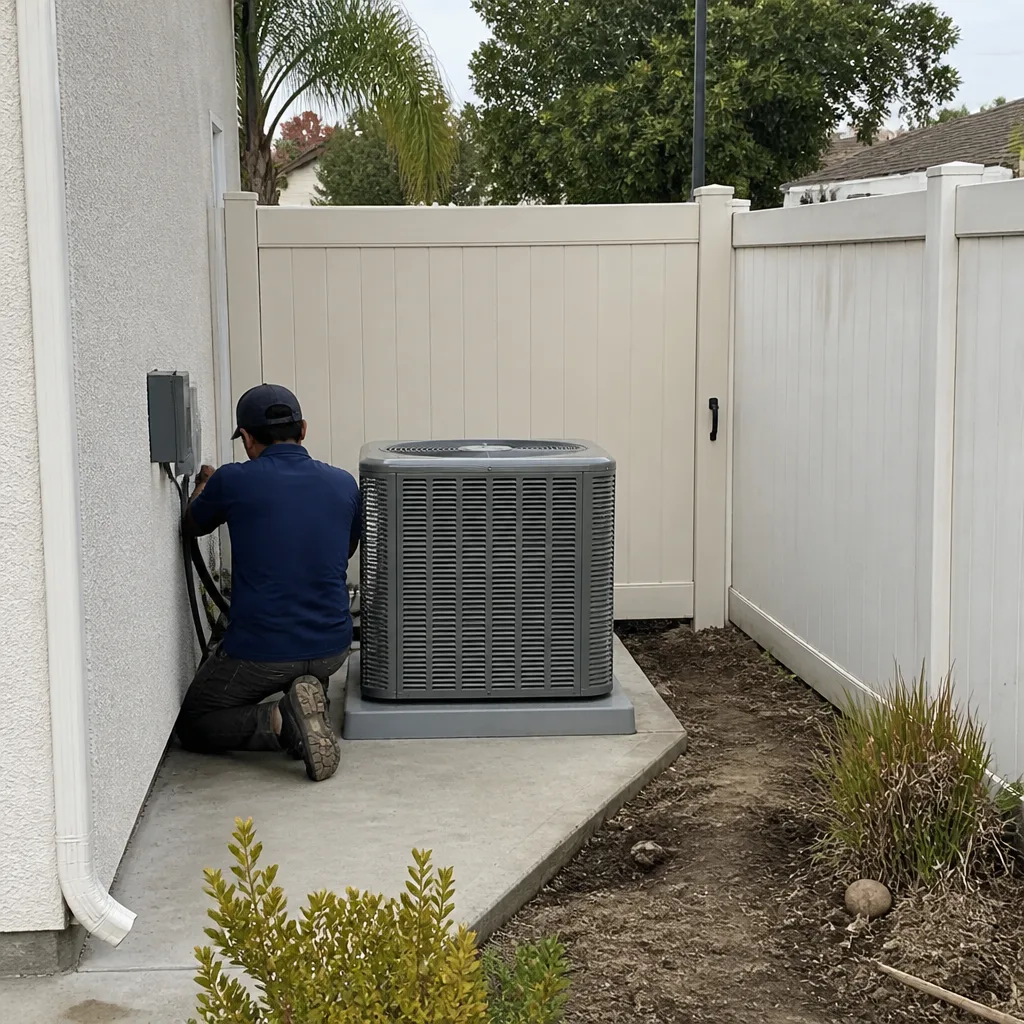
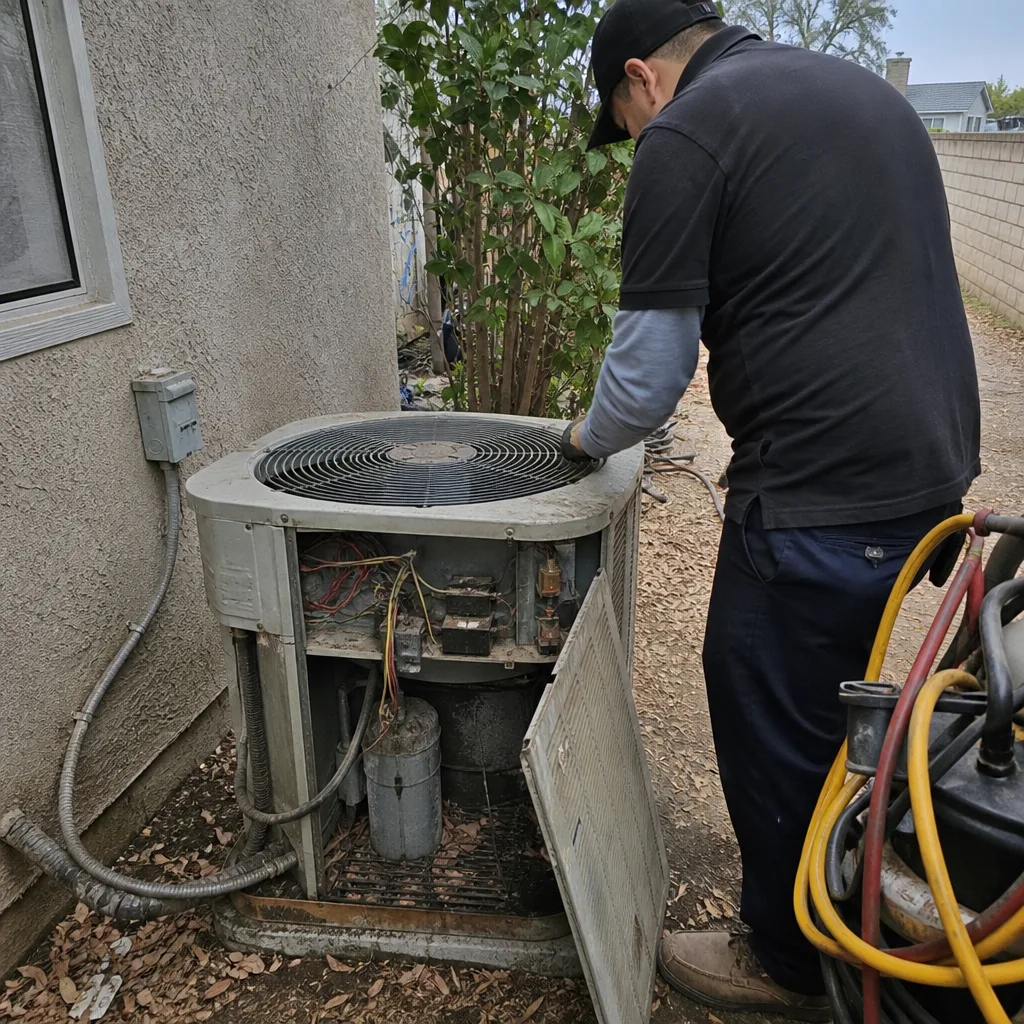
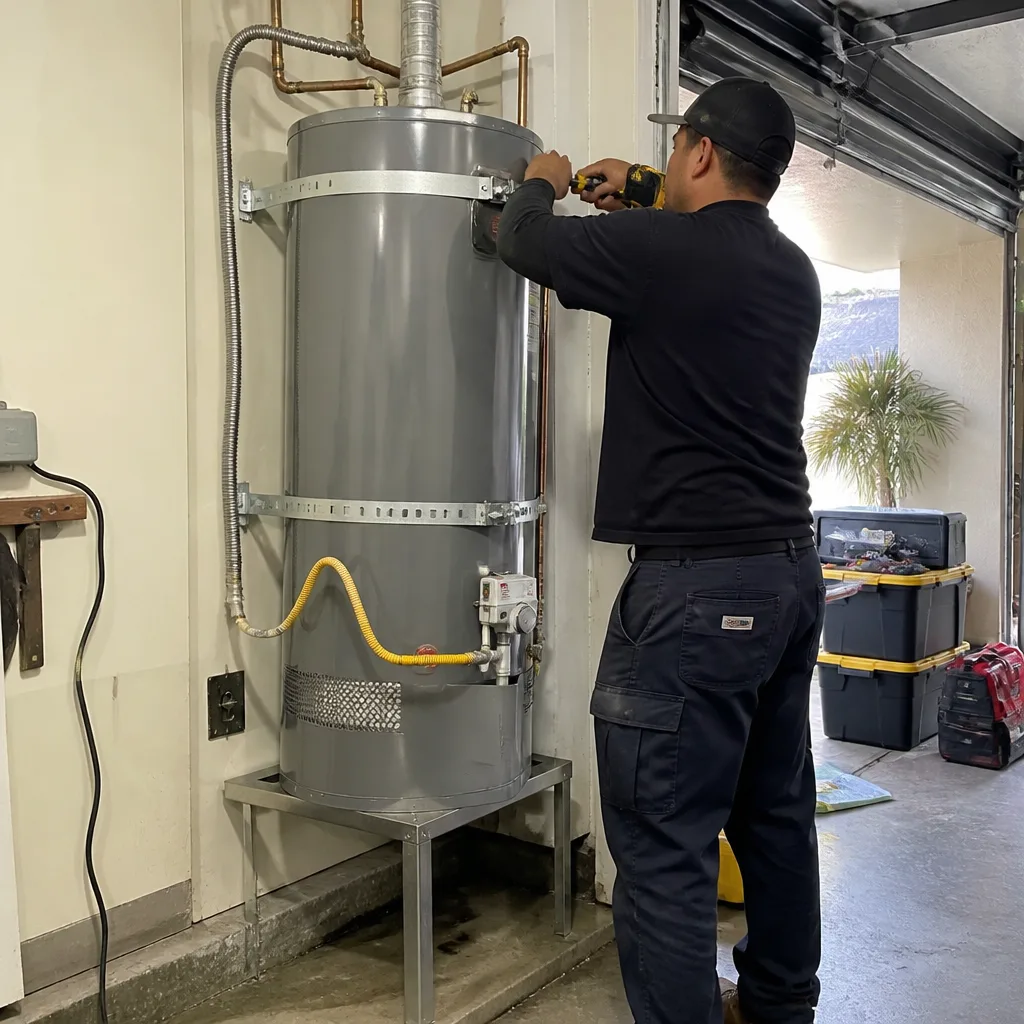
See the difference
 Before
 After
 Before
 After
 Before
 After